

India's diverse landscape is dotted with breathtaking water bodies, each offering a unique spectacle. From the tranquil backwaters of the south to the glacial lakes of the north, these destinations are a paradise for travellers and photographers alike.
Pangong Tso, Ladakh
A high-altitude marvel, Pangong Tso is a saline lake that stretches from India to Tibet. Situated at about 4,350 metres, its most stunning feature is its ability to change colours, shifting from azure blue to green and even grey throughout the day. The stark, barren mountains of the Himalayas provide a dramatic and desolate backdrop, making for surreal and powerful photographs. The journey itself, through winding mountain roads and high passes, is an adventure. For photographers, the clear skies offer incredible opportunities for astrophotography and capturing the Milky Way. The sheer scale and pristine beauty of the lake, especially during sunrise and sunset, make it an unforgettable experience.
Kerala Backwaters, Alleppey
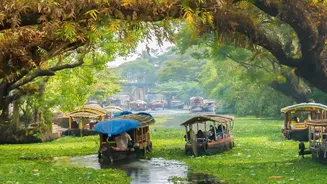
Often called the 'Venice of the East', the backwaters of Alleppey (Alappuzha) are a serene network of lakes, canals, and lagoons. A trip on a traditional houseboat, or 'kettuvallam', is the quintessential way to experience this unique ecosystem. As you glide through the water, you are treated to intimate glimpses of village life along the banks: children playing, fishermen casting their nets, and lush green paddy fields stretching to the horizon. The palm-fringed waterways, diverse birdlife, and golden sunsets create a constantly changing canvas that is a delight for both casual travellers seeking tranquility and photographers looking to capture the essence of rural Keralan life.
Dal Lake, Srinagar
The jewel of Srinagar, Dal Lake is a sprawling urban lake that is central to life in Kashmir. A ride on a colourful, canopied 'shikara' is an essential experience, offering views of majestic houseboats with intricate woodwork, floating gardens, and bustling markets on the water. The lake is framed by the Pir Panjal mountain range, and on clear days, their reflection on the water is a photographer's dream. Whether it's the vibrant chaos of the early morning floating vegetable market or the peaceful glow of sunset, Dal Lake offers a rich tapestry of culture and nature.
Nohkalikai Falls, Meghalaya
Located near Cherrapunji, one of the wettest places on Earth, Nohkalikai Falls is India's tallest plunge waterfall. It cascades from a height of 340 metres into a stunning turquoise-green plunge pool below. The sheer force and height of the waterfall, especially during the monsoon season, is an awe-inspiring sight. Surrounded by lush, misty cliffs, the landscape feels primeval and dramatic. Viewpoints allow for panoramic shots, and for the more adventurous, a trek down to the base can offer a different perspective. The waterfall is also associated with a tragic local legend, adding a layer of poignant history to its natural beauty.
Chandratal Lake, Spiti Valley
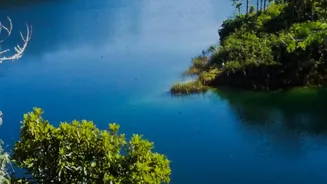
Its name meaning 'Lake of the Moon', Chandratal is a crescent-shaped high altitude lake in the Spiti region of Himachal Pradesh. Situated at an elevation of about 4,300 metres, its crystal clear blue waters reflect the surrounding barren mountains and snow capped peaks. Reaching the lake involves a journey through some of India's most rugged and scenic terrain. The area is remote with accommodation limited to tented camps which enhances its untouched feel. The colours of the lake change throughout the day providing endless photographic opportunities while the lack of light pollution makes it a prime spot for stargazing.
Radhanagar Beach, Andaman Islands
Consistently ranked among the best beaches in Asia Radhanagar Beach on Havelock Island (Swaraj Dweep) is a picture of tropical perfection. It features a wide crescent of powdery white sand fringed by lush tropical forest meeting calm clear turquoise waters. The absence of water sports helps preserve its tranquil atmosphere making it ideal for swimming and relaxation. For photographers the beach is a masterclass in composition from the textures of the sand and the gentle waves to the spectacular fiery sunsets it's famous for. Its pristine condition has even earned it the coveted 'Blue Flag' certification for cleanliness and safety.
Loktak Lake, Manipur
Loktak Lake is the largest freshwater lake in Northeast India and is famous for its 'phumdis' – floating islands of vegetation soil and organic matter. These phumdis are so significant that one of them hosts the Keibul Lamjao National Park world's only floating national park. This unique ecosystem is last natural habitat of endangered Sangai or dancing deer. A boat tour reveals fishermen living in huts built on these floating islands offering a fascinating glimpse into unique way of life. The interplay of water land and human culture makes Loktak Lake captivating destination for photographers and curious travellers.