




The Simple Magic of Reflection
At its core, the principle is simple physics: mirrors bounce light. When you place a mirror in a room, it catches existing natural or artificial light and reflects it, effectively scattering it into darker areas. This one strategic move can instantly
make a space feel brighter, more open, and even larger. Unlike a piece of art, which absorbs light, a mirror acts as a secondary window, amplifying the light you already have and reducing the need for artificial lighting during the day. The goal is to position the mirror so it captures the most light possible, turning a passive wall into an active source of brightness.
Why Art Deco Designs Excel
Not all mirrors are created equal when it comes to style and light manipulation, and this is where Art Deco designs truly shine. Originating in the 1920s, the Art Deco style is defined by its love of glamour, symmetry, and bold geometric shapes. Think sunburst patterns, stepped frames, fan shapes, and sharp, clean lines. These features aren't just for looks; they are incredibly effective at enhancing light. The multiple angles found in a sunburst or a geometric frame catch and splinter light in various directions. Furthermore, many Art Deco mirrors feature bevelled edges, which act like prisms, creating subtle, sparkling highlights that add life to a room. The style also heavily favours luxurious, reflective materials like gold, brass, and chrome for its frames, adding another layer of shimmer that contributes to the overall brightening effect.
The Downside of Heavy Wall Art
In contrast, heavy wall art—such as large, dark oil paintings, thickly woven tapestries, or pieces in bulky, non-reflective frames—can have the opposite effect. These items tend to absorb light rather than reflect it, which can make a wall feel heavier and a room feel more enclosed. While a beautiful painting brings colour and personality, it does not actively work to brighten a space. Even artwork behind standard glass can create unwanted glare, effectively becoming a 'blinding square' that obscures the art itself depending on the time of day. If a room is already struggling with limited natural light, adding a large piece that soaks up what little light there is can compound the problem. This doesn't mean art has no place; it simply means that for the specific job of maximising light, a mirror is the more functional choice.
Strategic Placement for Maximum Glamour
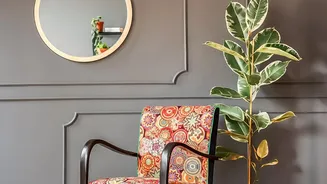
To get the most out of your Art Deco mirror, placement is key. The most effective spot is typically opposite a window, where it can capture the maximum amount of daylight and reflect it directly back into the room. This can double the perceived brightness and even reflect the view outside, creating the illusion of another window. If you don't have a wall opposite a window, placing a mirror on an adjacent wall will also work well, catching the light at an angle and bouncing it into darker corners. Hallways, entryways, and the spaces above a fireplace or console table are also ideal locations. A mirror here not only brightens a transitional space but also serves as a stunning focal point, adding a dose of 'old Hollywood' glamour and making a strong first impression.