





The Return of 'Kacchi Ghani'
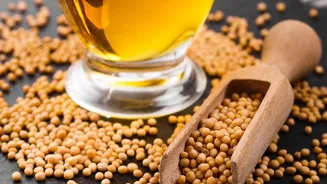
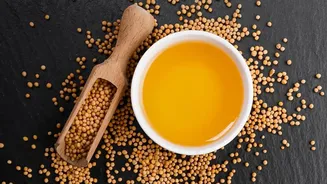
Before modern factories introduced mass-produced refined oils, Indian kitchens ran on oils extracted using traditional methods. This is the world of cold-pressed oils, often known by the familiar term ‘Kacchi Ghani’. This age-old technique involves mechanically
crushing oilseeds like mustard, groundnut, or coconut at low temperatures, without using high heat or chemical solvents. The process is slow and gentle, ensuring the oil that is extracted is pure and unrefined. In contrast, most commercially available oils are refined. This industrial process uses high heat and chemicals to extract the maximum amount of oil, which is then bleached and deodorised. While this results in a neutral-tasting oil with a long shelf life, it strips away the natural nutrients, aroma, and flavour of the seeds. The growing interest in cold-pressed oils is more than a trend; it's a return to a method that prioritises quality over quantity.
Unlocking Authentic Regional Flavours
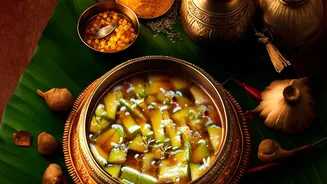
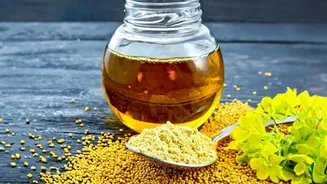
The single greatest argument for using cold-pressed oils in Indian cooking is flavour. Refined oils are intentionally neutral, designed not to interfere with the taste of the food. Cold-pressed oils, however, are ingredients in their own right. Because they are unrefined, they retain the distinct, robust character of the seed they came from. This is crucial for authentic regional cuisine, where the oil is a foundational flavour. Think of the sharp, pungent kick of cold-pressed mustard oil in a Bengali fish curry or the robust, nutty undertone of groundnut oil in a Gujarati farsan. Similarly, the sweet, fragrant notes of cold-pressed coconut oil are inseparable from South Indian dishes like avial or thoran. Using a bland, refined oil in these dishes means you're missing a key layer of taste that generations of cooks have relied on. Switching to cold-pressed oil is like switching from a monochrome palette to a full spectrum of colours.
A Powerhouse of Natural Nutrients
The health benefits of cold-pressed oils stem directly from their gentle extraction process. By avoiding high heat and chemical treatments, these oils retain a wealth of natural nutrients that are otherwise destroyed during refining. They are rich in antioxidants, including Vitamin E, which helps protect the body's cells from damage. They also preserve healthy fats like monounsaturated (MUFA) and polyunsaturated (PUFA) fatty acids, which are beneficial for heart health and can help manage cholesterol levels. For instance, cold-pressed groundnut oil is packed with heart-friendly MUFAs and Vitamin E, while mustard oil is a good source of Omega-3 and Omega-6 fatty acids. Refined oils, on the other hand, not only lose these beneficial compounds but can sometimes contain harmful trans fats created during high-heat processing.
A Simple Guide to Regional Oils
Matching the right oil to the right cuisine is key to unlocking authentic flavour. While there are many overlaps, Indian culinary traditions have strong regional preferences based on local agriculture. Here’s a quick guide:- Mustard Oil: With its signature pungency, this is the soul of cooking in North and East India. It is essential for dishes in Bengal, Bihar, Punjab, and Uttar Pradesh, from pickles to hearty vegetable and meat curries.- Coconut Oil: Predominantly used in the South, especially in Kerala and coastal Karnataka and Tamil Nadu. Its unique sweet flavour is perfect for tempering, sautéing vegetables, and making iconic stews and curries.- Groundnut (Peanut) Oil: A staple in Western and Central India, particularly in Gujarat and Maharashtra. Its mild, nutty flavour makes it incredibly versatile for everyday cooking, from dals and sabzis to deep-frying snacks.- Sesame (Gingelly/Til) Oil: Popular in parts of South India like Tamil Nadu and Andhra Pradesh, as well as Rajasthan. It has a distinct nutty taste and is often used for tempering or in specific dishes and pickles.
A Note on Smoke Points
A common concern with cold-pressed oils is their smoke point—the temperature at which they begin to smoke and break down. While it's true that some cold-pressed oils have a lower smoke point than their refined counterparts, this is often misunderstood. Most Indian cooking methods, including sautéing and tempering ('tadka'), don't require oil to be heated to its highest possible temperature. Many traditional cold-pressed oils, like groundnut and mustard oil, are perfectly stable for shallow and even deep-frying when the heat is managed correctly. For example, cold-pressed groundnut oil's smoke point is suitable for most Indian cooking styles. The key is to heat the oil gradually and not let it smoke excessively, which preserves both its flavour and its nutritional integrity.