






Look for the 'Shrinkflation' Trap
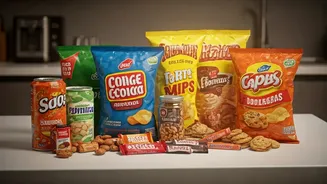
One of the most subtle forms of a price increase doesn't involve the price tag at all. It's called 'shrinkflation', and it's when manufacturers reduce the size or quantity of a product while keeping the price the same. Your favourite biscuit packet might
have two fewer biscuits, or your juice bottle might be 50ml smaller. Companies do this hoping consumers, who are sensitive to price hikes, won't notice the smaller volume. To combat this, get into the habit of checking the net weight and, more importantly, the unit price (the cost per 100g or per piece) on the shelf tag. This allows for a true comparison, ensuring you get the most for your money, regardless of the package size.
Understand the Seasonal Cycles
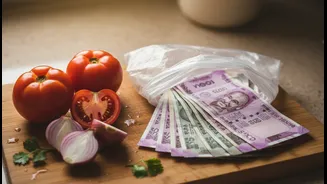
Headlines often scream about a sudden, sharp increase in the price of staples like tomatoes or onions. While alarming, these spikes are frequently tied to seasonal availability and weather events. Unseasonal rains or heatwaves can disrupt supply chains and damage crops, leading to temporary price hikes. However, these are often cyclical. For budgeters, this means two things: first, don't panic and assume the new price is permanent. Second, shop seasonally. Buying fruits and vegetables that are in season is almost always cheaper. Being flexible and swapping a temporarily expensive vegetable for a more affordable, in-season one can lead to significant savings.
Separate Wholesale from Retail Reality
You might read a positive headline about how the wholesale price of a certain grain or oil has fallen. This is good news for the economy, but it doesn't mean you'll see that price drop at your local kirana store or supermarket the next day. There's a significant lag as the product moves through the supply chain from the producer to distributors and finally to retailers. Each step adds its own costs, including transport, storage, and a profit margin for the seller. The final retail price you pay includes all these markups. So, while falling wholesale prices are a good long-term sign, don't adjust your weekly budget based on them.
Recognise the 'Loss Leader' Strategy
Grocery stores are experts at getting you in the door. One of their most effective tools is the 'loss leader'—a product sold at or below cost to attract customers. These are typically high-demand staples like milk, eggs, or bread. The store might lose a small amount on that one item, but they bet you'll also buy other, higher-margin products once you're inside. A screaming deal on cooking oil in the weekly flyer is designed to get you to do your entire weekly shop there. The savvy budgeter takes advantage of the loss leader without falling for the trap. Buy the discounted item, but stick to your shopping list for everything else.
Read Beyond the National Average
National inflation figures, often quoted in headlines, are just an average of price changes across a massive basket of goods and services. India's food inflation can be a major driver of this number, but your personal inflation rate might be very different. It depends entirely on what you buy. If you don't consume a lot of the specific items that saw the biggest price jumps, the headline number won't accurately reflect the impact on your wallet. Focus on tracking the prices of the items you buy regularly. A simple price book or a note on your phone can be far more useful for your personal budgeting than a national news report. This empowers you to see which of your costs are actually rising and adjust your spending accordingly.