





The End of the Travel Off-Season
For years, the Indian travel calendar was predictable. The monsoon was a lull between the summer and winter rushes. That pattern has officially changed. The rainy season is now a highly sought-after travel window, driven by a desire for lush landscapes,
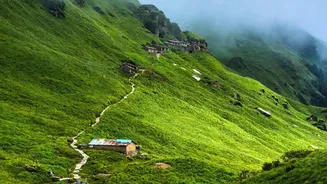
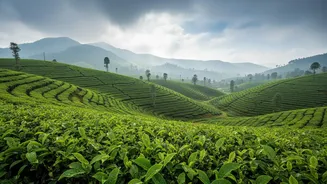
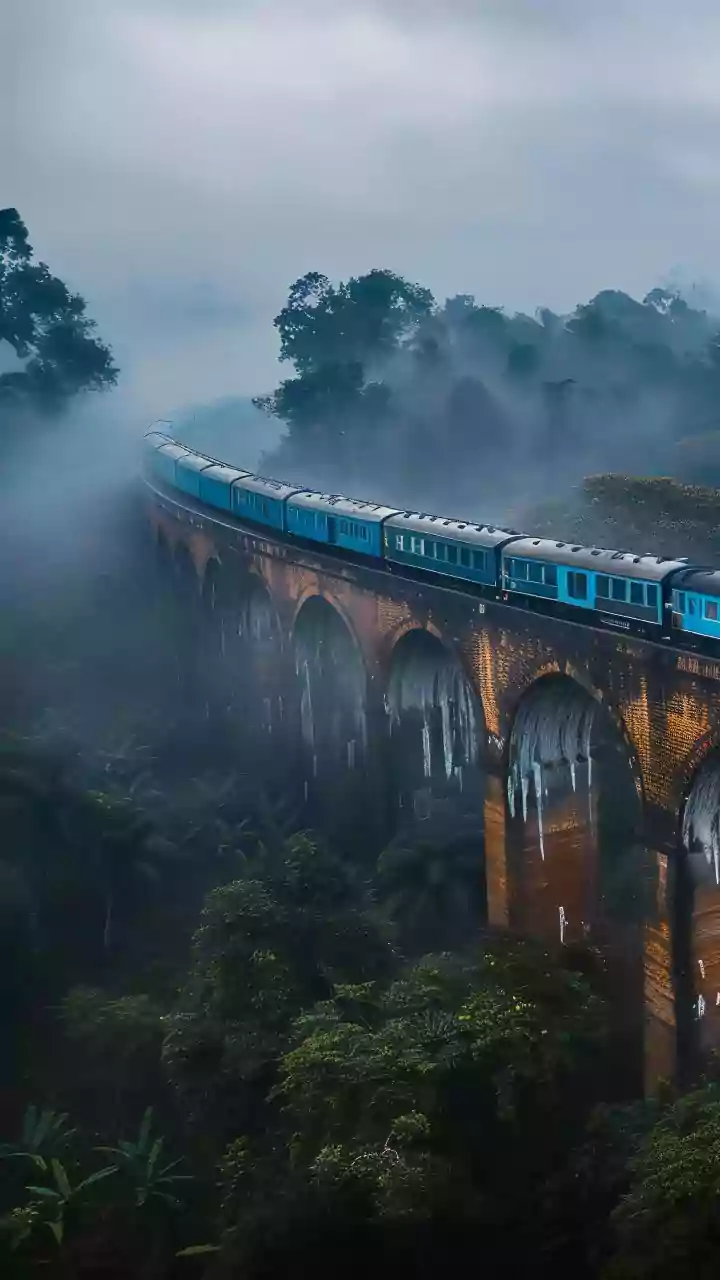
cooler temperatures, and unique experiences. Travel platforms have reported a massive uptick in monsoon travel, transforming what was once a quiet quarter into a bustling mini-season. According to a report from Cleartrip, hotel bookings during the monsoon have surged by nearly 54% year-on-year. This shift is powered by several factors, including the rise of 'workcations' that allow remote workers to take extended stays in scenic spots and a growing appetite for shorter, more frequent breaks. Social media has also played a huge role, turning misty hills and rain-soaked road trips into aspirational travel goals. This trend is visible in booking data, with destinations like Wayanad in Kerala seeing a 160% increase in hotel bookings and Goa, a traditional winter favourite, recording 110% growth in monsoon demand.
A New Paradox for Spontaneous Trips
This newfound popularity has created a paradox for travellers. While the flexibility of modern work and life fuels a desire for last-minute, spontaneous trips, the sheer volume of people acting on that impulse makes such trips harder to pull off. The days of expecting deep off-season discounts and empty hotels are fading. With occupancy rates in popular destinations now hitting 60-75%, a significant jump from pre-pandemic averages, the best properties and rooms are getting snapped up well in advance. The spontaneous traveller now faces a gamble: wait for a last-minute deal that may never materialise, or risk finding their preferred destination fully booked or prohibitively expensive. This has flipped the old logic on its head. The question is no longer just about price, but about availability itself.
The Shifting Case for Booking Early
As a result, booking ahead for a monsoon break has a new value proposition. Previously, it was often unnecessary. Today, it serves as a defensive strategy. The primary benefit of an early reservation is no longer about securing the absolute lowest price, but about guaranteeing a place to stay and avoiding the dramatic price surges that now define the weeks leading up to travel. As demand rises, hotels and airlines are using dynamic pricing algorithms that automatically increase rates. Booking early allows you to lock in a reasonable price before these systems respond to the last-minute rush. This is especially true for luxury properties with limited premium rooms and for popular long-weekend dates. Some hoteliers in Rajasthan have noted that travellers are now planning their monsoon getaways well in advance, a clear sign that the season has become a deliberate part of the annual travel calendar rather than a spontaneous afterthought.
Navigating the New Travel Landscape
This doesn’t mean last-minute bookings are obsolete, but their role has changed. They can still work for flexible travellers who are open to different destinations or less-than-perfect hotel choices. Many people now employ a hybrid strategy: booking flights early to secure a good fare while waiting a little longer on hotels in the hope of snagging a deal. In response to these evolving behaviours, the travel industry itself is adapting. Hotels are maintaining more 'resilient' pricing, meaning the steep discounts of past monsoons are less common. Instead, online travel agents are rolling out specific 'Monsoon Travel Sales' to channel the demand. Travellers are also becoming more reliant on technology, using price-tracking tools and multiple apps to make smarter, faster decisions in a volatile market. The key takeaway is that a one-size-fits-all booking strategy no longer applies.