



The Horizontal Squeeze
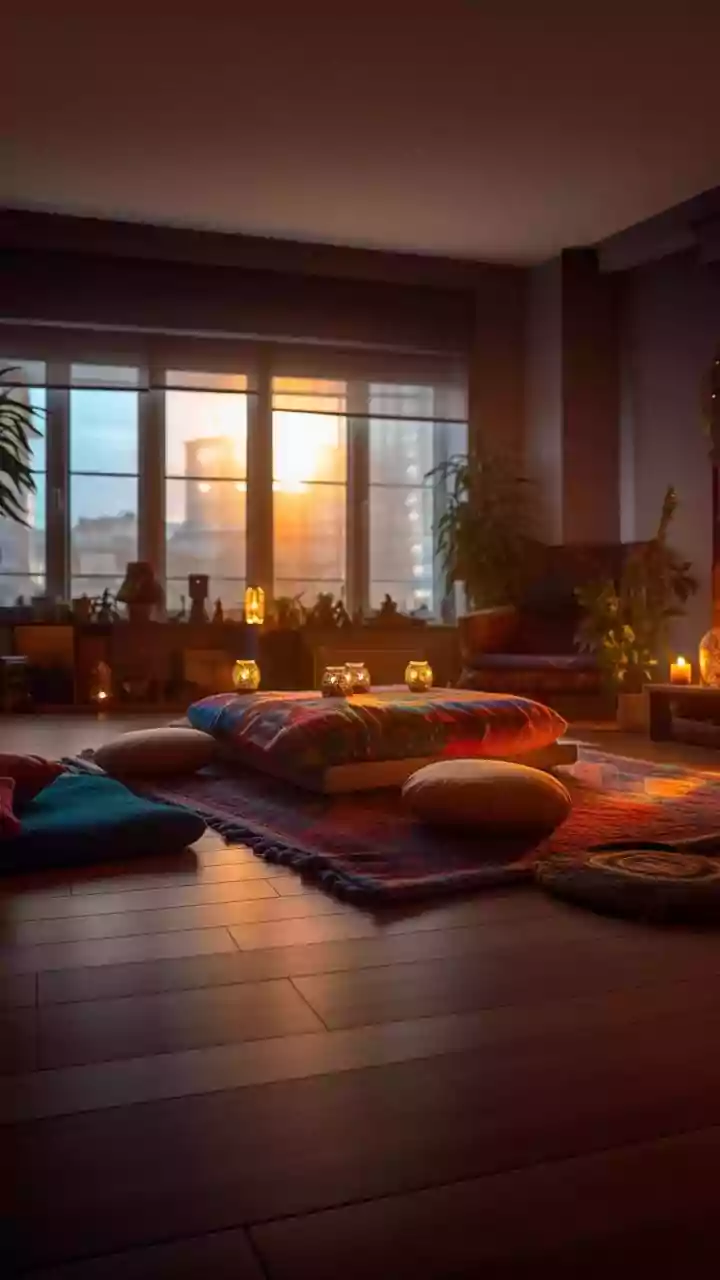
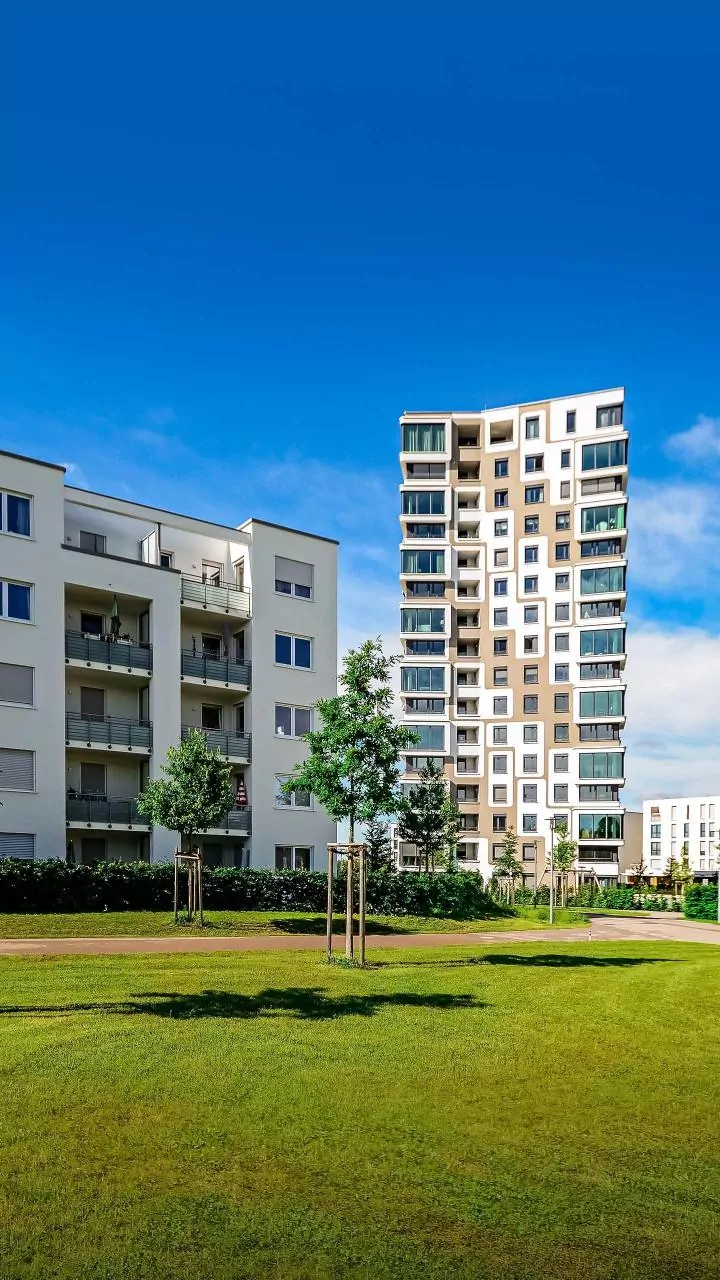
Urban living in India often means compact homes and apartments. While we adapt to the horizontal limits of our living spaces, we often forget that our feline companions are wired differently. A cat's natural world is three-dimensional. They are descendants
of wild cats that climbed trees to survey their territory, hunt for prey, and escape danger. When we bring them into our homes—especially smaller flats—we inadvertently flatten their world into a two-dimensional plane of floors, sofas, and beds. This lack of vertical territory can lead to boredom, anxiety, and even behavioural issues as they struggle to express their innate instincts.
Why Cats Crave Height
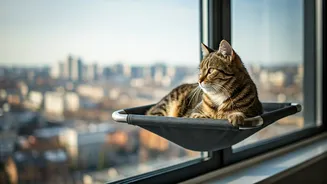
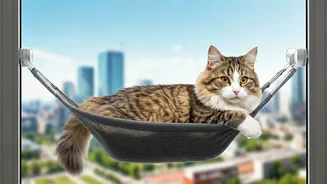
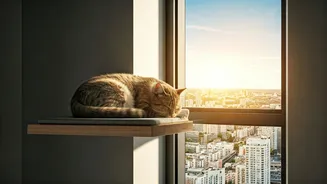
To understand the power of a perch, you have to think like a cat. For a feline, height is not a luxury; it’s a fundamental resource. Firstly, height equals safety. From an elevated spot, a cat can see potential threats (like a boisterous child or an approaching vacuum cleaner) long before they arrive, giving them a sense of security and control. Secondly, height is about status and territory. In multi-cat households, vertical space expands the available real estate, reducing conflicts over prized spots. The cat who claims the highest perch is often asserting a quiet dominance. Finally, it provides mental stimulation. A high perch is a private observation deck, allowing your cat to watch the household's comings and goings—or the birds outside the window—without being in the middle of the chaos.
Enter the 'Cat Superhighway'
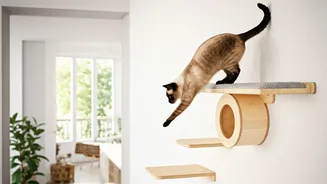
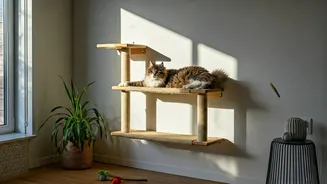
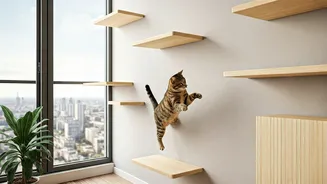
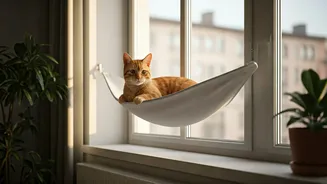
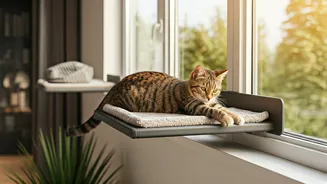
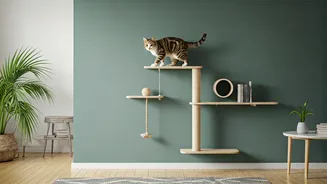
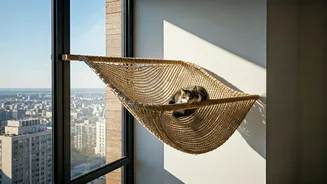
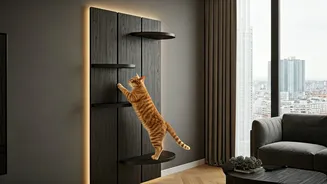
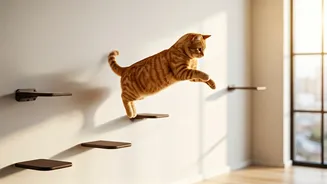
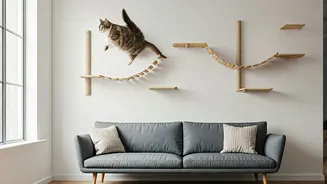
This is where wall-mounted perches and shelves become revolutionary. Unlike bulky cat trees that consume precious floor space, wall-mounted furniture uses the empty vertical landscape of your home. By installing a series of shelves, steps, and perches, you can create a 'cat superhighway' that allows your pet to navigate a room without ever touching the floor. This network becomes an extension of their territory, a private and engaging jungle gym. It’s a simple, space-efficient way to give your cat the environmental enrichment they crave, turning bland walls into an interactive playground. They can leap, climb, and lounge, all within the secure confines of their home.
The Benefits of Going Vertical
Giving your cat access to vertical space does more than just make them happy. It has tangible benefits for their health and your household harmony. The physical activity involved in jumping and climbing helps keep indoor cats at a healthy weight and maintains muscle tone. For shy or timid cats, having a safe retreat can be a massive confidence booster, allowing them to observe social situations from a distance until they feel comfortable joining in. In homes with more than one pet, these vertical escape routes can de-escalate tension, giving a cat an easy way to remove itself from a stressful interaction with another cat or a dog. Essentially, you're not just adding furniture; you're investing in your cat's physical and psychological well-being.
Creating Your Cat's Vertical World
Ready to build up? Start by planning a route. Cats enjoy a path that leads somewhere interesting, like a perch by a window with a good view or a cosy sleeping spot near the ceiling. Ensure the shelves are sturdy and securely fastened to the wall—a wobbly shelf will deter even the most adventurous cat. The surface should be non-slip; consider adding carpet squares or sisal rope to the tops of wooden shelves for better grip. Think about your cat’s physical abilities. An older cat may need shelves placed closer together, like a staircase, while a young, athletic cat will relish a more challenging layout. You don't have to cover an entire wall overnight. Start with a few shelves and observe how your cat uses them before expanding their vertical kingdom.