




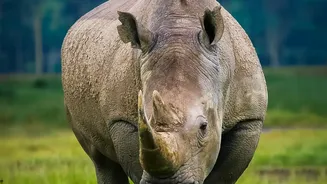
Central Range (Kohora): The Classic Choice
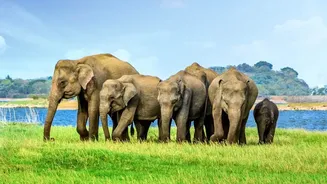
The Central Range, with its entry gate at Kohora, is the most popular and accessible zone, especially for first-time visitors. Its landscape is a quintessential mix of tall elephant grass, open plains, and wetlands called 'beels', offering a fantastic
all-round experience. This zone provides a high probability of spotting a wide variety of wildlife, including rhinos, elephants, wild water buffalo, and swamp deer. Due to its popularity and proximity to most hotels, it tends to be the busiest range. Both jeep and early morning elephant safaris are conducted here, giving you different perspectives of the terrain. If you have limited time and want a reliable introduction to Kaziranga's wonders, the Central Range is an excellent starting point.
Western Range (Bagori): The Rhino Hotspot
For those whose primary mission is to see the one-horned rhino up close, the Western Range is often considered the best bet. The terrain at Bagori is dominated by open grasslands and numerous water bodies, which makes spotting wildlife easier and provides fantastic opportunities for photographers. The rhino population density here is one of the highest in the park, and sightings are very frequent. While it has a shorter safari track than the Central Range, the dependable sightings make it a favourite. It's generally less crowded than Kohora, offering a slightly more peaceful experience. Like the Central Range, Bagori also offers both jeep and elephant safari options. Many visitors with time for two safaris choose to explore both the Central and Western ranges to get a comprehensive experience.
Eastern Range (Agoratoli): The Birdwatcher's Paradise
The Eastern Range, with its entrance at Agoratoli, offers a distinctly different and much quieter experience. This zone is characterized by its vast wetlands and proximity to the Brahmaputra River, making it a haven for birdwatchers. It is widely regarded as the best zone for birding in Kaziranga, attracting a huge number of resident and migratory birds, especially pelicans, storks, and eagles during the winter months. While rhinos, elephants, and wild buffalo can also be seen here, the sightings are generally less frequent than in the western zones. The appeal of Agoratoli lies in its serene atmosphere, scenic landscapes, and the feeling of being in a wilder, less-trodden part of the park. This zone is perfect for nature lovers and photographers looking to escape the crowds.
Burapahar Range: The Hilly Retreat
Located on the westernmost side of the park with its entrance at Ghorakati, the Burapahar Range is Kaziranga's hilly zone. Its landscape of dense forests and rolling hills offers a stark contrast to the floodplains of the other ranges. This zone is less about big animal sightings and more about an immersive forest experience. While wildlife sightings might require more patience, Burapahar is the best place in Kaziranga to spot the Hoolock Gibbon, India's only ape species. You may also see elephants and various deer species. Its peaceful environment and the option for a guided trek on a designated path make it ideal for those seeking solitude and a deeper connection with nature away from the safari jeeps.
How to Choose Your Safari
Your choice of zone really depends on your interests. For first-timers focused on seeing the iconic rhino, a combination of the Central (Kohora) and Western (Bagori) ranges is highly recommended. Photographers often prefer the Western Range for its open views and close encounters. Bird enthusiasts should prioritize the Eastern Range (Agoratoli), especially between November and February when migratory species are present. For a tranquil, off-the-beaten-path adventure, the Burapahar Range is an excellent choice. If you have multiple days, exploring two different zones—for instance, Central for the classic experience and Eastern for its unique birdlife—will give you a much richer appreciation of Kaziranga's incredible diversity.