



More Than Just Muscles
When people hear resistance or strength training, they often think it’s just about building bigger muscles. While it does increase muscle strength and tone, the benefits go far deeper. Regular resistance training plays a crucial role in managing weight
by boosting your metabolism, meaning your body burns more calories even at rest. It significantly strengthens your bones, increasing bone density and reducing the risk of osteoporosis, a condition that makes bones weak and brittle. Studies also show that a consistent strength routine can help prevent or manage chronic conditions like type 2 diabetes, heart disease, and arthritis. Beyond the physical, the effects on mental health are profound. It can improve mood, boost self-confidence, enhance body image, and even lead to better sleep.
Busting Common Myths
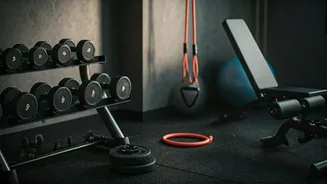
Several persistent myths prevent people from starting their strength journey. One of the most common, especially among women, is the fear of becoming "bulky". In reality, building large muscle mass is incredibly difficult and requires specific, intense training and diet protocols; for most people, strength training leads to a leaner, more toned physique. Another myth is that it's only for the young. On the contrary, strength training is exceptionally beneficial for older adults, helping to maintain independence, improve balance, and reduce the risk of falls. Many also believe you need a gym and heavy weights, but this is untrue. Effective workouts can be done anywhere using the most accessible tool you have: your own body.
Your Starting Point: No Gym Required
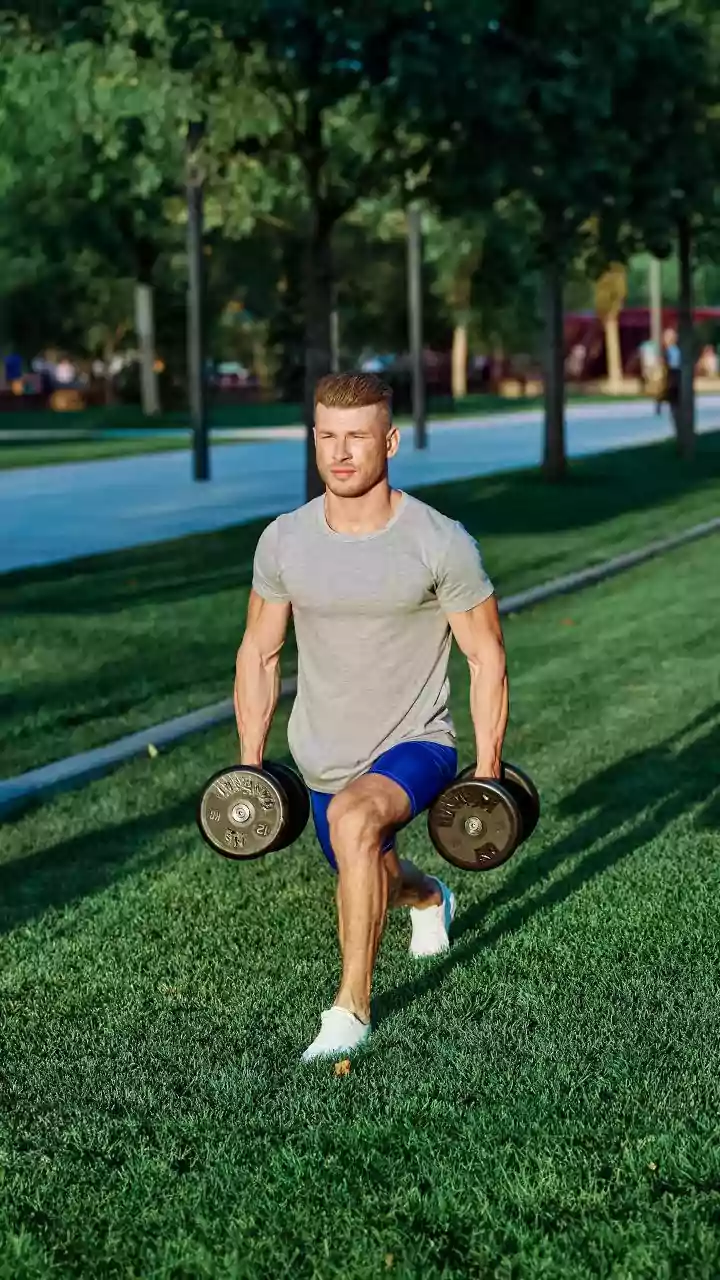
The simplest way to begin is with bodyweight exercises. These movements use your own weight as resistance and are foundational for building strength safely. You can start with just a few core exercises that work major muscle groups. Squats are fantastic for your legs and glutes. Push-ups, which can be modified by doing them on your knees or against a wall, build upper body and core strength. Lunges improve balance and leg strength, while planks are excellent for developing a strong core, which supports your entire body. The key is to focus on proper form first. Start with a number of repetitions that feels challenging but allows you to maintain good technique.
How to Begin Your Routine
For beginners, consistency is more important than intensity. Aim for two to three sessions per week, with at least a day of rest in between to allow your muscles to recover and grow stronger. A full-body workout is a great way to start. A simple routine could include two or three sets of 8 to 12 repetitions of squats, incline push-ups, lunges, and a plank hold. Always start with a brief warm-up, like a few minutes of walking or light jogging, to get your blood flowing. As you get stronger, you can gradually make the exercises more challenging by increasing the repetitions, adding another set, or slowing down the movement to increase time under tension. The goal is progressive overload—gently asking your muscles to do a little more over time.
Adding Simple Tools
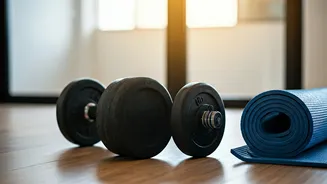
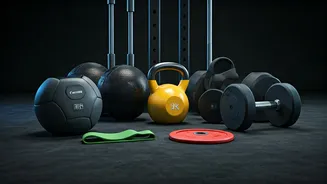
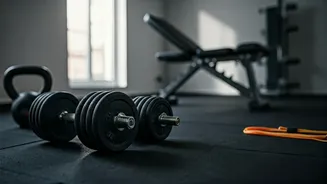
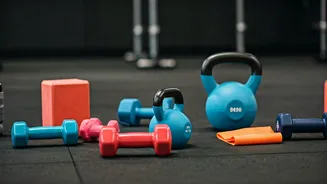
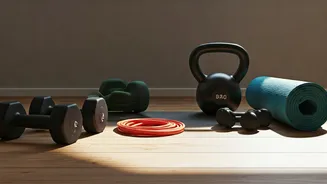
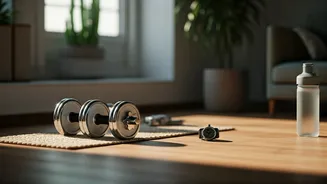
Once you're comfortable with bodyweight exercises, you might consider adding simple, inexpensive tools like resistance bands or light dumbbells. Resistance bands are versatile and great for exercises like rows (for back strength) and shoulder presses. Dumbbells can be used for bicep curls and overhead presses. You can even use household items like water bottles or bags filled with books as makeshift weights. These tools can add variety and new challenges to your routine, but remember they are an option, not a requirement to get started.