







Start with a Clear Budget
Before the festivities begin, the first and most crucial step is to create a budget. This isn't about limiting the joy, but about planning for it. Take a realistic look at your finances and decide on a total amount you are comfortable spending. Break
this down into categories: the idol, decorations, food, puja essentials, and new clothes. Allocating a specific amount to each helps prevent impulse purchases and keeps your spending on track. Many financial experts suggest creating a dedicated festival fund months in advance to avoid last-minute financial strain. This simple act of planning is the foundation for a stress-free celebration.
The Idol: Devotion Over Extravagance
The Ganesh idol is the heart of the celebration, but its cost can vary significantly, from a few thousand rupees to much more for larger, ornate designs. Remember that devotion is not measured by the size or price of the murti. Consider eco-friendly idols made of clay or other natural materials. Not only are they often more pocket-friendly than those made of Plaster of Paris, but they are also better for the environment, dissolving naturally during visarjan. This choice aligns spiritual responsibility with financial prudence, allowing for a meaningful celebration without a hefty price tag.
Decorations: Creativity Meets Savings
Creating a festive atmosphere doesn't have to mean expensive, store-bought decorations. This is where your creativity can shine and lead to significant savings. Consider Do-It-Yourself (DIY) decor, which adds a personal touch to your pandal. You can repurpose old sarees or colourful dupattas for a vibrant backdrop, create paper lanterns, or use fresh flowers and leaves from local markets. Reusing lights and decorations from previous years is another simple yet effective way to cut costs. An eco-friendly approach, using natural and reusable items, often proves to be economical and beautiful.
The Festive Feast: Prasad and Meals
Food is central to any Indian festival, and Ganesh Chaturthi is famous for its delicious offerings, especially modaks. However, food costs can add up quickly, from daily prasad to hosting feasts for family and friends. To manage this, plan your menus in advance. Preparing sweets and snacks at home is not only more economical than buying them but also adds a loving touch. If you're hosting a large gathering, consider a potluck where everyone contributes a dish. This spreads the cost and effort, and brings a wonderful variety to the table. Buying non-perishable ingredients in bulk can also lead to savings.
Clothes and Miscellaneous Spending
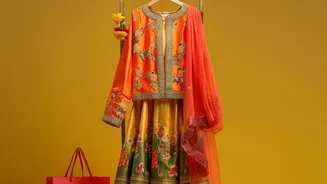
Wearing new clothes is a cherished tradition during festivals, but it can make a dent in your budget. Look out for festive sales and discounts that are often available before the festival. Another approach is to explore your wardrobe and restyle existing outfits with new accessories. When it comes to gifting, thoughtful, handmade presents or homemade sweets can be more meaningful than expensive store-bought items. It's also important to factor in miscellaneous costs, such as contributions to community pandals or travel expenses, into your initial budget to avoid surprises.
Prioritise What Truly Matters
Ultimately, the goal of this festival is to seek blessings and share joy. Reflect on what aspects of the celebration are most important to you and your family. Is it the elaborate decoration, the community feast, or the quiet moments of prayer? Prioritise your spending on these key areas and feel free to scale back on others. A well-planned Ganpati celebration is one where the focus remains on devotion and togetherness, unburdened by financial worries. By setting clear priorities, you ensure that the festive spirit lingers long after the celebrations are over.