


The Protein Puzzle: Complete vs. Incomplete
Proteins are made of building blocks called amino acids. There are nine 'essential' amino acids that our bodies cannot produce, so we must get them from food. Animal products like meat, eggs, and dairy are 'complete proteins' because they contain all nine.
Most plant-based foods, however, are 'incomplete proteins', meaning they are low in one or more of these essential amino acids. But this isn't a problem. In fact, the solution is elegantly simple and is already a cornerstone of traditional Indian cuisine. It’s all about creating a complete picture by putting the right puzzle pieces together.
The Magic of Complementation
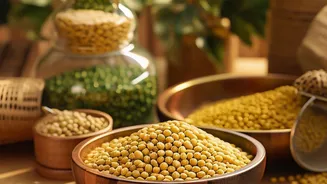
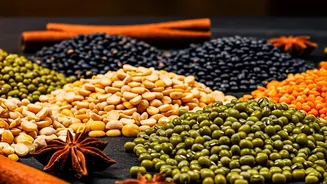
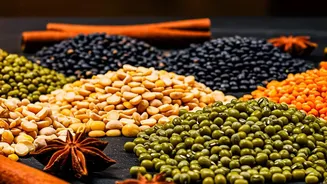
The strategy to create a complete protein from plant sources is called 'protein complementation'. Think of it this way: different food groups have different strengths. Cereals like rice and wheat are typically low in an amino acid called lysine, but they have good levels of methionine. Pulses, including all our beloved dals, rajma, and chana, are the mirror image: they are rich in lysine but low in methionine. When you eat them together, they perfectly compensate for each other’s deficiencies. One food's weakness is the other's strength, and together they provide the full spectrum of essential amino acids your body needs.
India's Classic Complete-Protein Meals
Chances are, you are already practicing protein complementation without even realizing it. Indian culinary wisdom has paired these foods for centuries, creating meals that are not only delicious but also nutritionally whole. Some classic examples include:
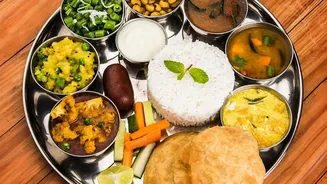
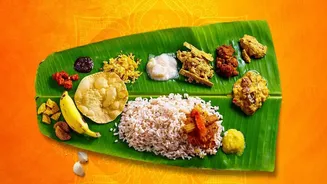
- Dal and Chawal: The humble lentil curry with rice is perhaps the most perfect example. The dal provides the lysine that rice lacks, and the rice provides the methionine that dal lacks.
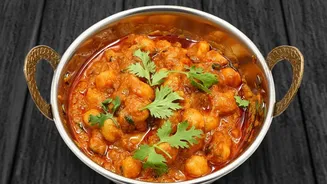
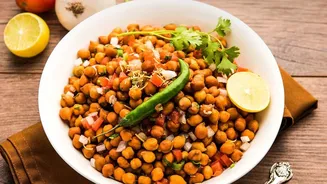
- Roti and Dal/Sabzi: Pairing whole wheat flatbread with any dal or even a legume-based curry like chana masala achieves the same result.
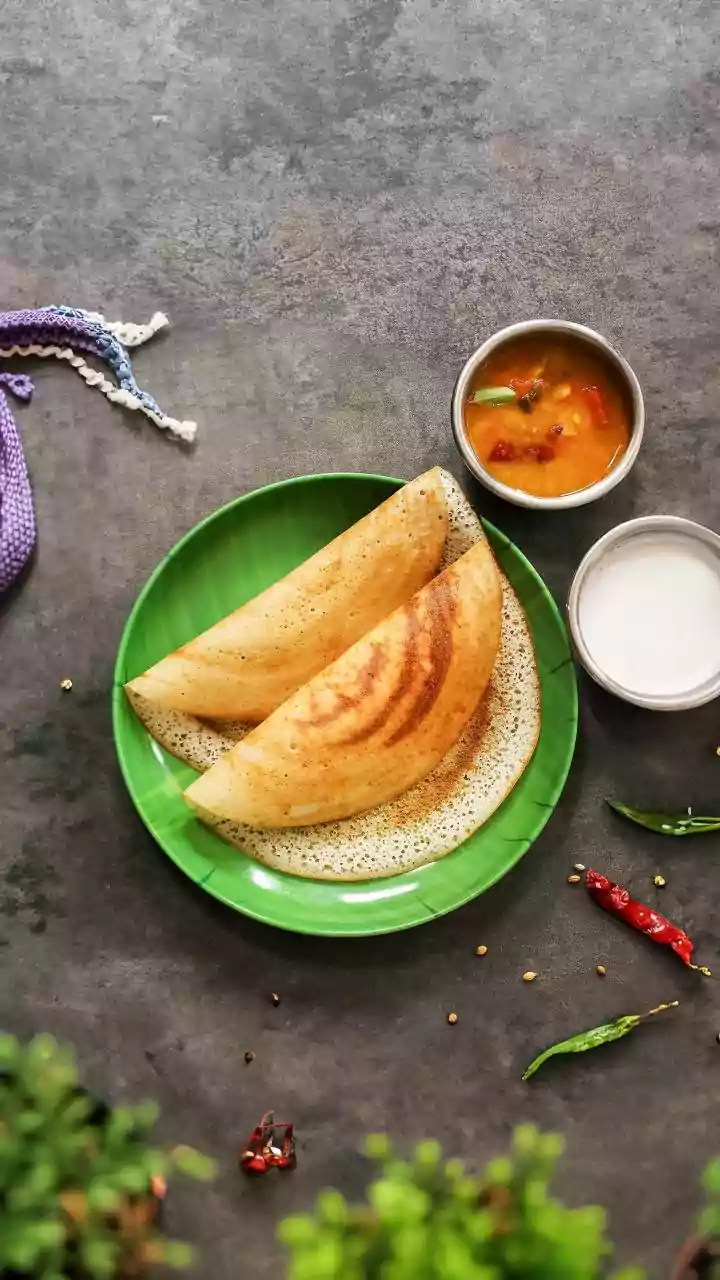
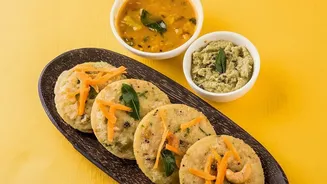
- Idli and Sambar: This South Indian staple, made from a fermented batter of rice and urad dal, is a complete protein powerhouse even before you add the lentil-rich sambar.
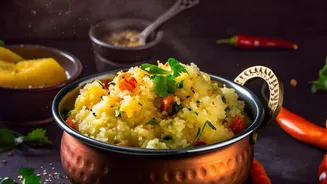
- Khichdi: A comforting one-pot meal of rice and moong dal, khichdi is designed to be easily digestible and nutritionally complete.
Beyond the Grain-Pulse Duo
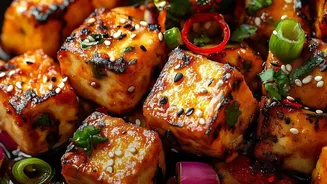
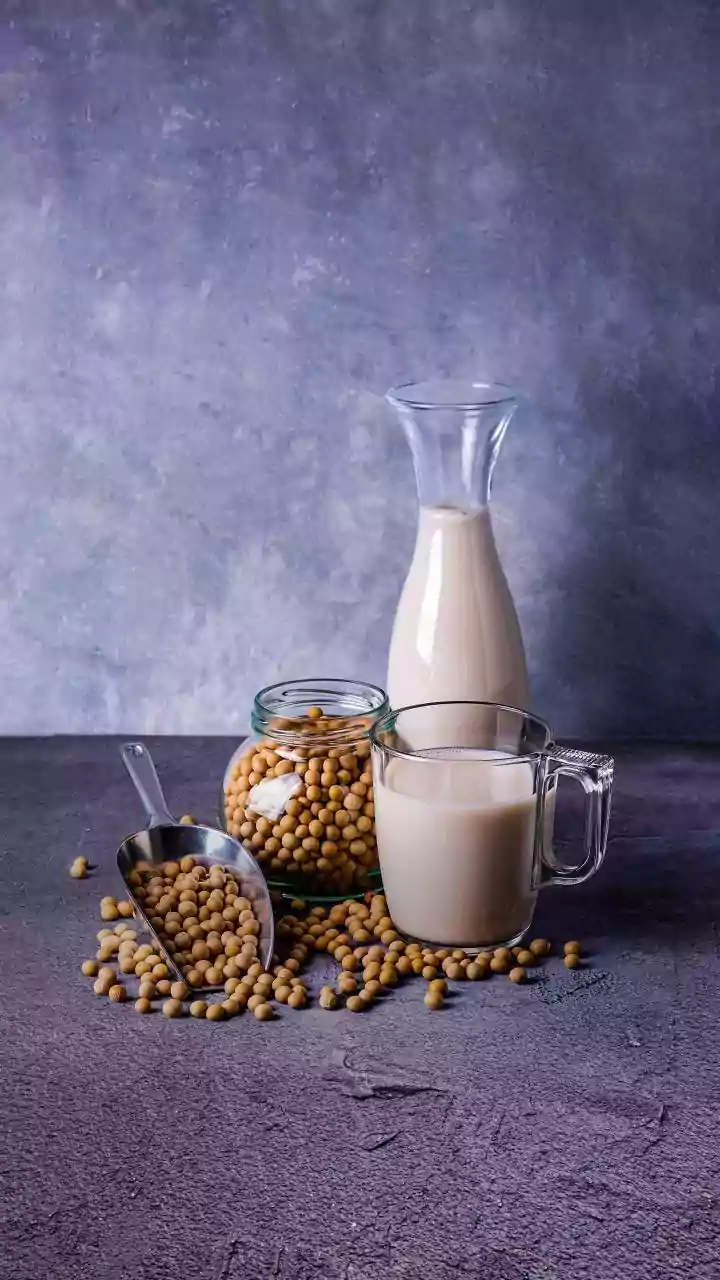
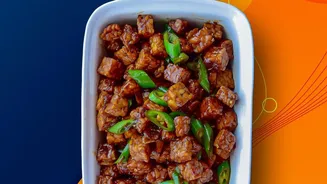
While pairing cereals and pulses is the most common method, other food groups can also complete the protein profile. Nuts and seeds, when combined with legumes, also work well. For example, hummus, which is made from chickpeas (a legume) and tahini (a sesame seed paste), is a complete protein. Furthermore, some vegetarian foods are complete proteins all on their own. Dairy products like paneer, milk, and curd contain all nine essential amino acids, making them an excellent addition to any meal. Soy products, including tofu, tempeh, and soya chunks, are also fantastic plant-based complete proteins, as are grains like quinoa and amaranth (rajgira).
Putting It All Together: A Day of Smart Eating
You don't necessarily need to combine proteins in every single meal, as your body can pool amino acids throughout the day. However, aiming for these combinations at mealtimes is a simple way to ensure you're covered. A day could look like this:
- Breakfast: A besan chilla (gram flour) with a side of curd, or a moong dal paratha.
- Lunch: The classic rajma-chawal or roti with a mixed vegetable sabzi and a bowl of dal.
- Snack: A handful of roasted peanuts or a small bowl of sprouts chaat.
- Dinner: Paneer bhurji with rotis or a simple khichdi with a dollop of ghee.
By consciously including a mix of dals, grains, vegetables, dairy, nuts, and seeds, a vegetarian diet can be exceptionally rich and nutritionally sound.