



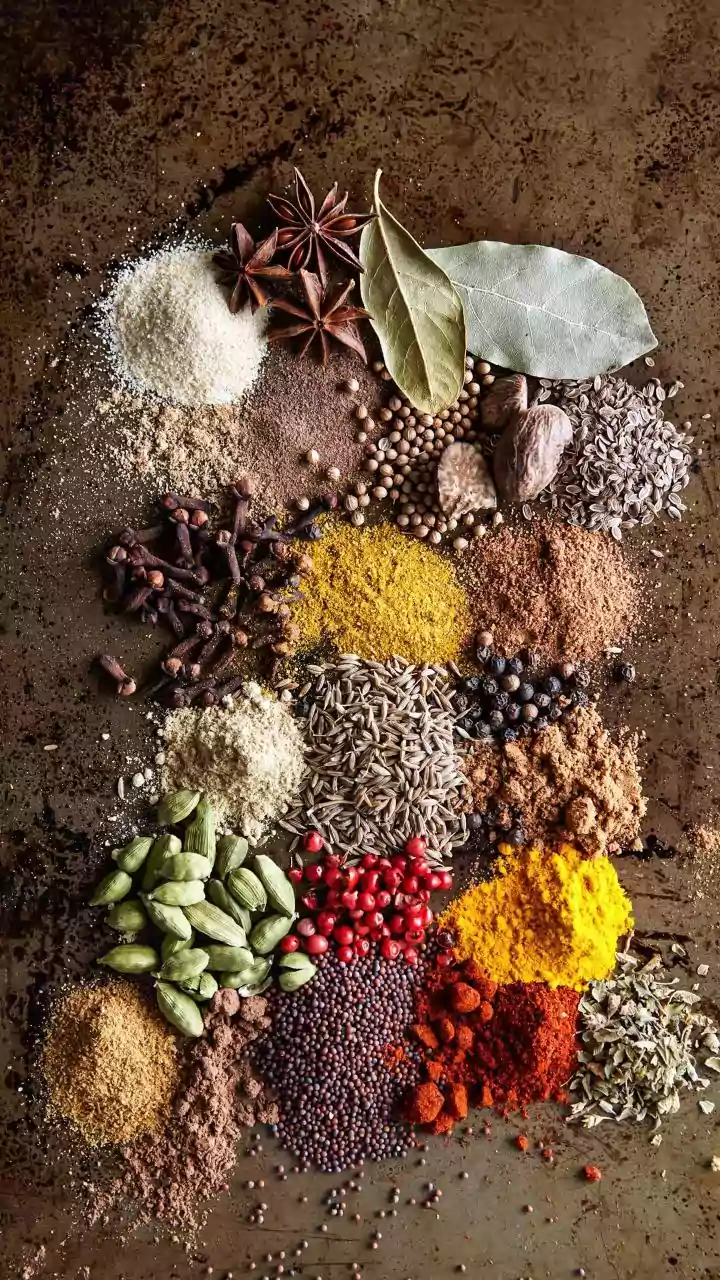



A Tradition of Brain Health
For centuries, nutmeg has been a cornerstone of traditional medicine systems like Ayurveda and Unani. Practitioners have long used it as a 'brain tonic', believing it could sharpen memory, improve concentration, and calm the mind. In many Indian households,
a pinch of nutmeg in warm milk is a go-to remedy for promoting relaxation and inducing sleep, a practice believed to soothe an overactive mind and reduce stress. This historical context forms the bedrock of the modern claims surrounding nutmeg's cognitive benefits. It is seen not just as a spice, but as an herb with the potential to influence our mental state, a belief passed down through generations.
The Scientific Lens on Nutmeg
Modern science has tried to investigate these age-old beliefs by looking into nutmeg's chemical composition. The spice contains several bioactive compounds, but one that stands out is myristicin. Some preclinical studies, mostly conducted on animals, have suggested that certain nutmeg extracts possess neuroprotective qualities. For instance, research on rodents indicated that these compounds might help protect brain cells from oxidative damage and reduce inflammation, processes linked to cognitive decline. Animal studies have also hinted at improvements in memory and learning. However, it is crucial to note that these findings are preliminary. There is a significant lack of robust, large-scale clinical trials on humans to confirm these effects. As of now, the scientific community agrees that there is not enough evidence to recommend nutmeg for enhancing cognitive performance in people.
The Myristicin Connection: A Double-Edged Sword
The very compound that attracts scientific interest, myristicin, is also responsible for nutmeg's darker side. At high doses, myristicin acts as a psychoactive substance. Its chemical structure has similarities to other compounds known to affect the central nervous system. When consumed in large quantities—far beyond what is used in cooking—myristicin can induce a range of toxic effects, including hallucinations, dizziness, confusion, agitation, and a rapid heartbeat. Symptoms of nutmeg intoxication typically begin a few hours after ingestion and can be deeply unpleasant, sometimes lasting for a day or more. This is why nutmeg has a history of being misused for its psychotropic effects, a practice that is dangerous and strongly discouraged.
The Dangers of Too Much
The line between a culinary spice and a toxic substance is all about dosage. A sprinkle of nutmeg in your food is considered safe. However, consuming as little as 5 to 10 grams (about one to two teaspoons) of ground nutmeg can be enough to trigger toxic symptoms. Reports from poison control centres highlight cases where intentional or accidental overuse has led to hospital visits. The side effects can range from nausea and dry mouth to more severe issues like heart palpitations and a feeling of impending doom. In very rare and extreme cases, especially when combined with other substances, nutmeg overdose has been linked to severe outcomes, including death. This underscores the critical importance of moderation and treating this common spice with respect.
The Verdict: Spice Rack, Not Medicine Cabinet
So, where does this leave us? Nutmeg, or Jaiphal, is a wonderful spice with a rich cultural history and a flavour that enhances many dishes. While traditional medicine has long hailed it as a brain tonic, modern scientific evidence to back these claims in humans is thin. The compounds that show promise in lab studies are the same ones that can be toxic in large amounts. The potential for cognitive benefits from a safe, culinary amount of nutmeg is likely negligible. The risks associated with consuming larger quantities, however, are significant and well-documented. Therefore, the wisest approach is to enjoy nutmeg for its intended purpose: as a flavourful spice that adds warmth and depth to your food. It belongs in the spice rack, not in the medicine cabinet as a self-prescribed cognitive enhancer.