




The Cruise Control Comfort Trap
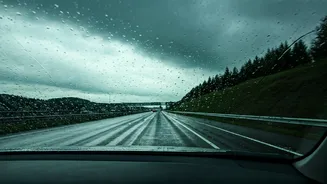
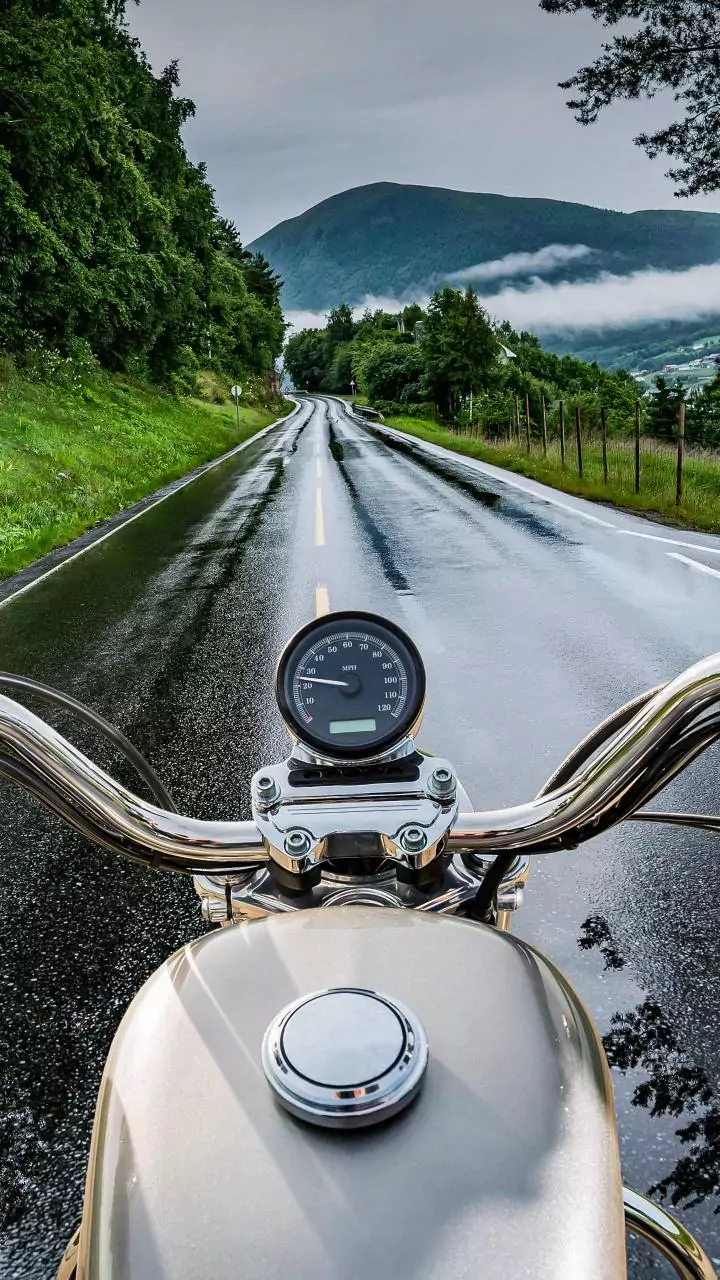
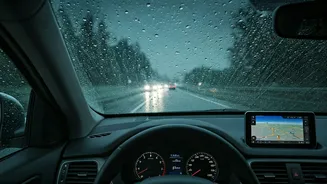
Engaging cruise control on a long, dry highway feels efficient, but it's a significant error in the rain. [19] Your car's cruise control is designed to maintain a constant speed, but it can't detect a wet surface or a puddle ahead. [17, 21] If your vehicle
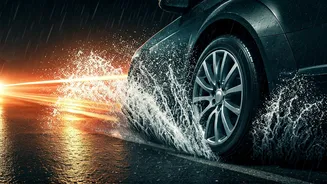
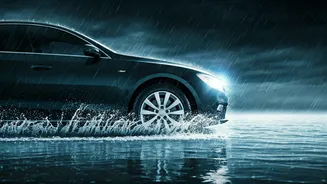
hits standing water and begins to hydroplane—where tires lose contact with the road and ride on a thin layer of water—the cruise control system may actually try to accelerate to maintain speed, worsening the situation and increasing the risk of a spinout. [19, 20] Many manufacturers and safety experts advise against its use in wet conditions because the driver needs to be in full manual control to react to changing traction. [17, 25] Disengaging cruise control keeps you alert and allows you to ease off the accelerator instantly, which is the first step to recovering from a hydroplane. [9]
Ignoring Your Car's Cries for Help
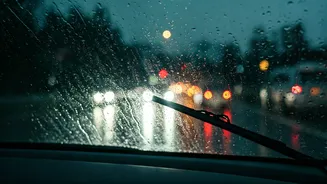
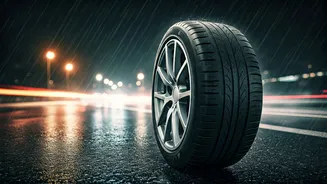
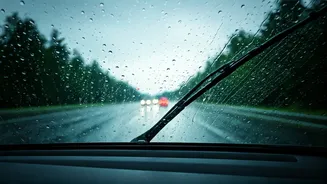
Your car's most important safety features for rainy weather are its tyres, wipers, and brakes. [8] Many drivers make the mistake of heading into the monsoon season without checking them. [16] Worn-out tyres with insufficient tread depth can't channel water away effectively, dramatically increasing the risk of hydroplaning. [4, 8, 16] Similarly, old, hardened, or cracked wiper blades won't clear your windshield properly, leaving streaks that severely impair vision during a downpour. [12, 16] Finally, wet roads mean longer stopping distances. [10] Ignoring squealing sounds or a spongy feel in your brake pedal can have disastrous consequences when you need to stop suddenly. [24] A pre-monsoon check of these three critical components is not an expense, but an essential safety measure. [8, 24]
Driving Too Fast for Conditions
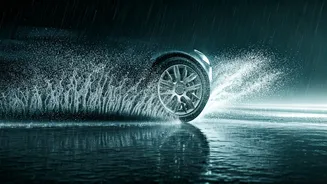
This may seem obvious, but it's the most common mistake. Speed limits are set for ideal, dry conditions. [7] On wet roads, your vehicle's tyres have significantly less grip, which affects braking and cornering. [12] Experts recommend reducing your speed by at least a third when roads are wet. [2] The first rain after a dry spell is particularly dangerous, as it lifts oil and grime from the asphalt, creating an exceptionally slick surface. [2, 11] Driving too fast is the primary cause of hydroplaning, as the tyres don't have enough time to displace the water on the road. [4, 7] Slowing down gives you more time to react, increases your stopping distance, and allows your tyres to maintain better contact with the pavement. [10, 26]
Following Too Closely
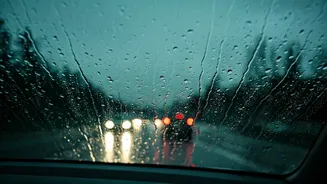
Tailgating is dangerous in any weather, but it's a recipe for disaster in the rain. Your braking distance can be at least twice as long on wet roads compared to dry ones. [14] The common 'two-second rule' for following distance should be extended to at least four or five seconds to give yourself enough space and time to react if the vehicle ahead brakes suddenly. [6, 10] If someone is driving too closely behind you, it is safer to find an opportunity to pull over and let them pass rather than feeling pressured to speed up. Maintaining a generous buffer zone is a key principle of defensive driving in adverse conditions. [14]
Panicking During a Hydroplane
The feeling of a car suddenly floating or sliding is terrifying, and the natural instinct is to slam on the brakes or jerk the steering wheel. [4, 9] This is precisely the wrong thing to do and will likely cause you to lose complete control. [6, 9] If you start to hydroplane, experts advise you to remain calm. [4, 6] Do not brake or accelerate. [3, 11] Instead, ease your foot off the gas pedal gently and keep the steering wheel pointed straight in the direction you want to go. [3, 4, 11] The hydroplane often lasts only a few seconds. [3] Once you feel the tyres regain traction, you can then apply gentle braking or steering if needed. [3, 4]
Forgetting To Be Seen
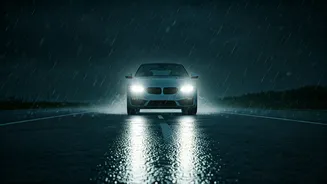
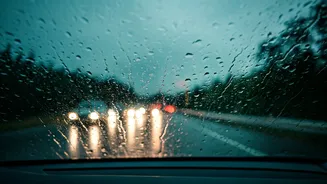
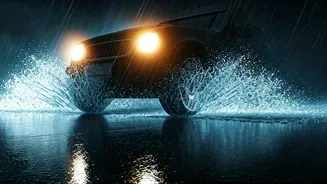
During a downpour, visibility is drastically reduced for everyone. A common error is assuming that because you can see, others can see you. Always turn on your headlights, even during the day. [2, 3, 26] This isn't just about illuminating the road ahead; it's about making your vehicle visible to other drivers. [5, 26] However, avoid using your high beams. [5] The intense light can reflect off the raindrops and create glare, further reducing visibility for both you and oncoming traffic. [5] Dipped-beam headlights are the correct choice for rainy conditions. [5]