






A Culinary Calendar of Celebrations
For years, the menus of many Indian restaurants remained static, offering a familiar roster of popular dishes day in and day out. But a significant shift is underway. A growing number of establishments are now curating their offerings around India's vibrant
festival calendar. These are not just token additions; they are elaborate, hyper-regional, and time-sensitive culinary events. From the grand vegetarian Onam Sadhya in August-September to the rich Bengali fare during Durga Puja in October, restaurants are becoming custodians of culinary traditions. These special menus act as a powerful magnet, offering an experience that transcends everyday dining and taps into a deeper cultural current. This approach allows chefs to move beyond the usual butter chicken and biryani, showcasing the incredible diversity of Indian cuisine that changes every few hundred kilometres.
Feasts of Faith and Harvest
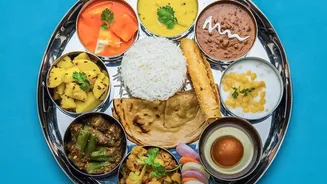
The heart of this trend lies in the authenticity and specificity of the food. Take the Onam Sadhya, a lavish vegetarian feast from Kerala with over 25 dishes served on a banana leaf. Restaurants in cities like Bengaluru, Delhi, and Mumbai now meticulously recreate this experience, featuring staples like Avial (vegetables in coconut gravy), Thoran (stir-fried vegetables), and various Payasams (sweet puddings). Similarly, during Durga Puja, restaurants in Kolkata and beyond roll out special 'Pujo' menus. These often feature nostalgic and celebratory Bengali dishes that are typically made in homes, such as Gondhoraj Fish Tikka and Echorer Dalna (raw jackfruit curry). These festival menus are not just about food; they are a celebration of harvest, faith, and community, packed onto a plate.
More Than a Meal, It's an Experience
So, why would someone travel from one city to another for a meal they could, in theory, get closer to home? The answer lies in the experience. The best of these festival promotions are immersive. Restaurants don't just serve the food; they recreate the festive atmosphere with special decor, music, and a sense of community. For many, especially those living away from their home states, it's a powerful dose of nostalgia and a way to connect with their roots. For others, it's a form of accessible tourism—a chance to experience the essence of a festival in Kerala or Bengal without leaving their region. This sense of exclusivity and authenticity makes the meal an event worth travelling for, turning a simple dinner reservation into a planned pilgrimage.
Smart Business, Richer Culture
This trend is a win-win situation. For restaurants, seasonal and festival-driven menus are a brilliant business strategy. They create buzz, attract new footfalls, and give diners a compelling reason to return. Offering a limited-time menu allows chefs to be creative, utilize fresh, seasonal produce, and reduce food costs and waste. More importantly, it helps them stand out in a fiercely competitive market. By championing regional and traditional recipes, these restaurants are doing more than just good business. They are playing a crucial role in preserving and promoting India's vast culinary heritage, introducing a new generation of diners to flavors and traditions they might not have encountered otherwise. It's a movement that enriches the entire food ecosystem, from the farmer supplying seasonal produce to the diner discovering a new taste of India.