





An Age-Old Kitchen Pharmacy
Long before wellness influencers talked about morning elixirs, Indian grandmothers were prescribing simple, effective remedies straight from the masala dabba. Cumin (jeera) and fennel (saunf) are two such staples that go beyond flavouring our curries
and dals. They form the bedrock of countless home remedies, especially for digestive complaints. The practice of soaking them overnight and drinking the infused water in the morning is a gentle, time-tested tradition aimed at soothing the digestive system and preparing it for the day ahead. It’s less of a miraculous “reset” and more of a supportive daily habit grounded in Ayurvedic principles, which emphasise gut health as the cornerstone of overall well-being.
The Power of Cumin (Jeera)
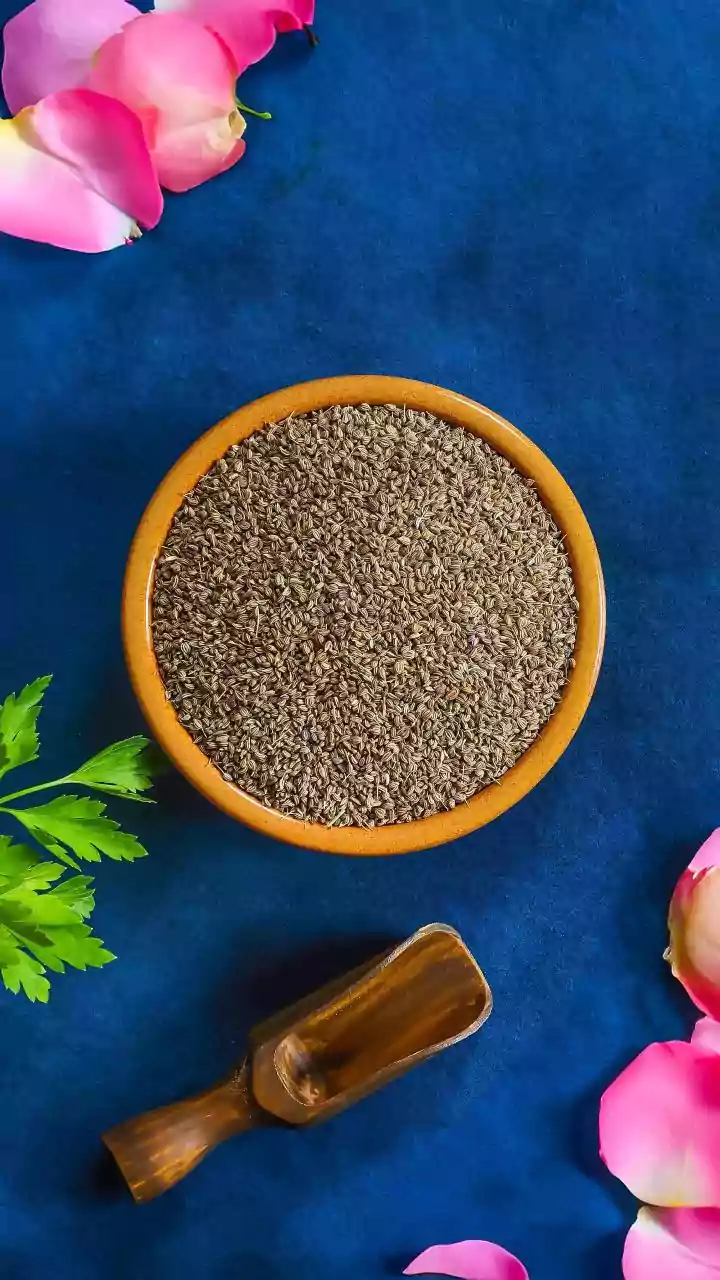
Cumin is a powerhouse of digestive support. Its reputation in traditional medicine is backed by a growing body of scientific understanding. The key lies in its ability to stimulate the secretion of pancreatic enzymes, which are crucial for the proper digestion and absorption of nutrients from food. Jeera is also known for its carminative properties, meaning it can help prevent the formation of gas in the gastrointestinal tract and facilitate its expulsion. This is why it’s often recommended for bloating and flatulence. Furthermore, a compound called thymol present in cumin can stimulate the glands that secrete acids, bile, and enzymes, promoting a more efficient digestive process from start to finish. It’s a humble spice that works hard to keep your gut happy.
The Soothing Touch of Fennel (Saunf)
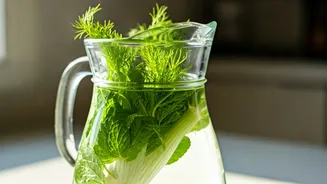
If cumin is the activator, fennel is the great soother. We’ve all chewed on saunf after a heavy meal at a restaurant, and for good reason. Fennel seeds contain essential oils like anethole and fenchone, which have antispasmodic and anti-inflammatory properties. This means they can help relax the smooth muscles of the stomach and intestines, easing cramps and discomfort. Like cumin, fennel is also a potent carminative, working to relieve bloating and trapped gas. Its gentle, slightly sweet flavour makes it a pleasant addition to any digestive blend. By calming inflammation and reducing muscular tension in the gut, fennel helps create a more comfortable and peaceful digestive environment.
How to Prepare This Morning Drink
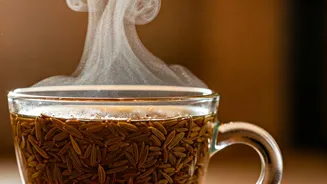
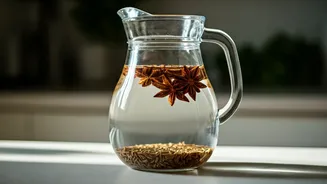
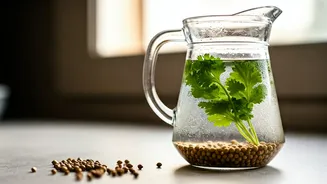
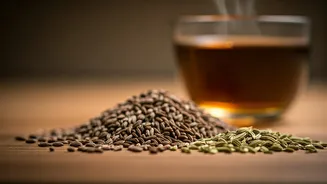
Making this digestive tonic is incredibly simple. There’s no complex brewing or expensive equipment needed. Here’s the easiest way to incorporate it into your routine: 1. **Gather Your Ingredients:** You’ll need one teaspoon of cumin seeds (sabut jeera) and one teaspoon of fennel seeds (moti saunf). 2. **Soak Overnight:** In the evening, add the seeds to a large glass or jar with about 250-300 ml of room temperature water. Give it a quick stir and cover it. 3. **Morning Preparation:** In the morning, the water will have turned a pale yellowish-brown colour and will be infused with the goodness of the seeds. You can drink the water as is, after straining out the seeds. Some people prefer to chew on the softened seeds for extra fibre and benefits, but this is optional. 4. **A Warm Alternative:** If you prefer a warm drink, you can gently heat the water (along with the seeds) on the stove until it’s warm but not boiling. Then, strain and drink.
Setting Realistic Expectations
While the headline promises a “reset,” it’s more realistic to view this drink as a supportive tool rather than a magic bullet. Consistent use may lead to noticeable improvements like reduced morning bloating, less gas after meals, and a general feeling of lightness. However, it won't single-handedly fix chronic digestive issues. Think of it as one part of a larger puzzle that includes a balanced diet, adequate hydration, regular exercise, and stress management. It's a way to give your digestive system a gentle, helping hand each morning. Listen to your body; if you experience any discomfort, discontinue use. For most people, it's a safe and beneficial daily ritual.