





Why Monsoon is a High-Risk Season
The primary culprit during the monsoon is the combination of warmth and high humidity. This duo creates an ideal breeding ground for bacteria, mould, and fungi. While we love the rain, moisture in the air accelerates food spoilage significantly. Fungi
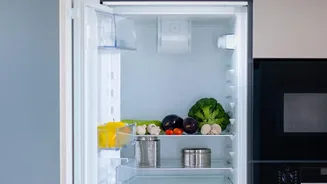
and bacteria flourish in damp conditions, turning a perfectly good meal into a health hazard in a surprisingly short time. Every time you open your refrigerator on a humid day, moist, warm air rushes in. This, combined with frequent power cuts that are common during the monsoon, can raise your fridge's internal temperature into the 'danger zone' (between 5°C and 60°C), where bacteria multiply exponentially.
The Golden Rule: Two Hours Max
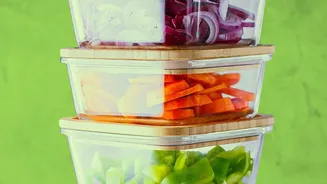
The most critical guideline for leftover safety is the 'two-hour rule'. Cooked perishable food should never be left at room temperature for more than two hours. During the monsoon, with higher ambient temperatures and humidity, this window shrinks. It's safest to consider the limit to be just one hour. This applies to common Indian staples like cooked rice, dal, meat curries, and dairy-based dishes. After this period, food enters the temperature danger zone, where pathogens can grow to unsafe levels. Putting food in the refrigerator promptly is the most effective way to slow down this process. It's crucial to cool food quickly; divide large portions like a big pot of curry into smaller, shallow containers to speed up cooling before refrigerating.
High-Risk Foods to Watch Closely
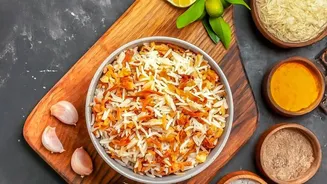
Not all leftovers are created equal. Some foods are far more susceptible to spoilage, especially in humid conditions. Cooked rice is a major culprit, as it can harbor a bacterium called Bacillus cereus, which can produce heat-resistant toxins. Never leave cooked rice out for more than an hour during the monsoon. Other high-risk foods include meat, poultry, fish, eggs, and dairy products like paneer or curd-based dishes. These protein-rich foods are magnets for bacterial growth. Leafy greens and cut fruits also spoil faster. For Indian kitchens, this means leftover dal, sabzis, and especially meat or fish curries need to be refrigerated with extra urgency.
Why Your Senses Can't Be Trusted
A common mistake is relying on sight, smell, or taste to judge if a leftover is safe. This is a dangerous gamble. The harmful bacteria that cause food poisoning, such as Salmonella or E. coli, do not necessarily alter the look, smell, or taste of food. Spoilage bacteria cause food to develop bad odours or a slimy texture, but pathogenic bacteria can be present in dangerous amounts long before any of those signs appear. Reheating might kill the bacteria, but it won't destroy the heat-stable toxins some bacteria produce after being left out for too long. This is why adhering to time and temperature rules is non-negotiable for safety.
The Mantra: When in Doubt, Throw It Out
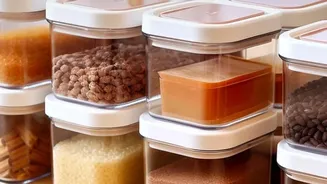
Ultimately, food safety is not an area for taking risks. The consequences of eating contaminated food can range from an upset stomach to severe food poisoning requiring medical attention. During the monsoon, it's essential to be extra vigilant. Cook smaller batches to minimize leftovers. Store any remaining food in clean, airtight containers and refrigerate them as quickly as possible. According to the FSSAI, a refrigerator should be kept below 5°C. Leftovers are generally safe for 2-3 days in a properly functioning fridge, but this timeframe shortens during the monsoon, especially with power cuts. If you're unsure how long something has been in the fridge or if it was left out on the counter, err on the side of caution. Your health is worth more than a single serving of leftover curry. Discard it without a second thought.