


The Stay is the Destination
Welcome to the era of the 'stay-led holiday', a travel philosophy where the property is the primary attraction. It’s a significant shift from the traditional model where a hotel was merely a base for sightseeing. Today, travellers are actively seeking
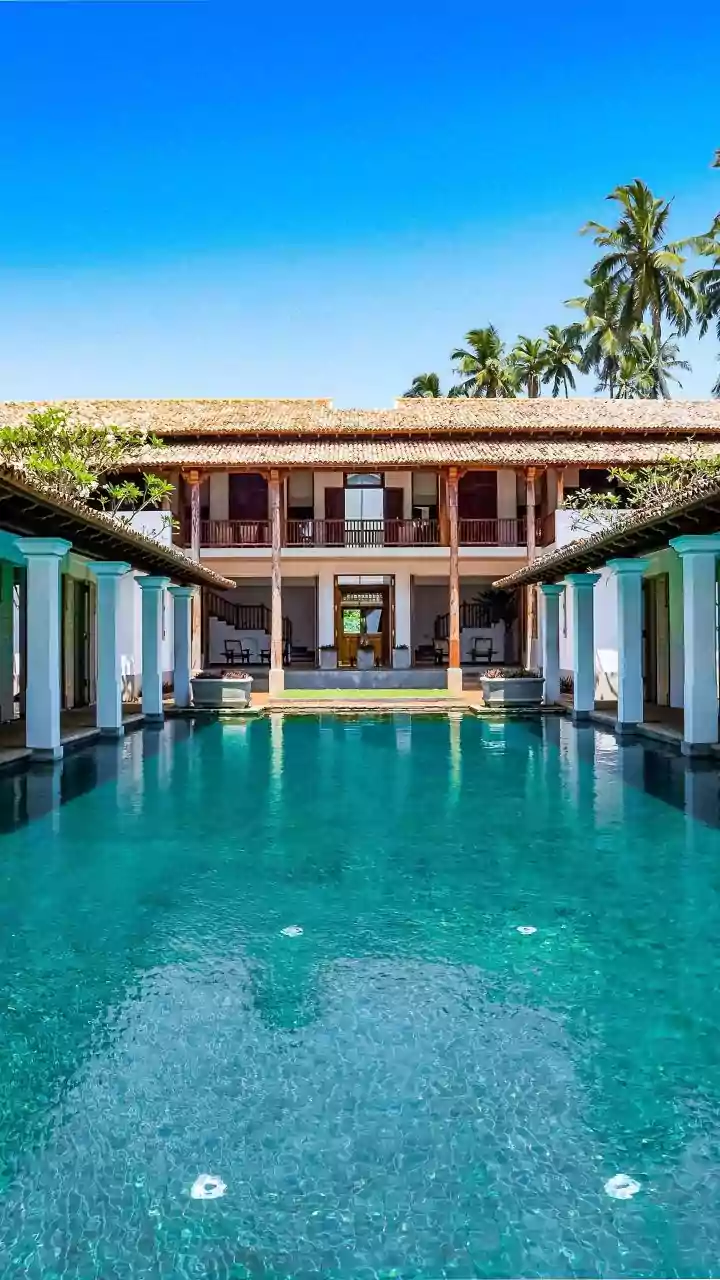
out architecturally unique villas, restored heritage homes, remote farm stays, and boutique properties that offer more than just a bed for the night. According to a recent report, an overwhelming 87% of Indian travellers believe that alternative stays, like homestays and villas, help create more meaningful holiday memories. This isn't just about luxury; it's about the experience, authenticity, and the story the place tells. The stay is no longer a footnote in the travel itinerary—it is the headline.
What's Driving the Change?
Several factors are fuelling this evolution in travel preferences. The post-pandemic world has reshaped our priorities, with a greater emphasis on privacy, space, and controlled environments. This has made private villas and secluded homestays more appealing than crowded hotels. Furthermore, the rise of remote and flexible work culture has untethered professionals from their office desks, giving birth to the 'workation' or 'work-from-anywhere' trend. These travellers often book longer stays, seeking accommodation that offers the comfort of a home with the amenities of an office, like high-speed internet and a dedicated workspace. A 2026 report noted that business travellers accounted for 19% of alternative accommodation bookings, a figure expected to rise.
The Allure of Authentic Experiences
Modern Indian travellers, especially millennials and Gen Z, are increasingly looking for authentic local experiences over standardized tourist packages. They crave a connection to the place they are visiting. Homestays excel at providing this, offering home-cooked meals, insider tips on exploring the area, and genuine interaction with hosts. The concept aligns perfectly with India's deep-rooted tradition of hospitality, or 'Atithi Devo Bhava'. Research from Booking.com found that 85% of travellers associate these alternative stays with authentic local experiences. Whether it’s learning the art of bronze casting near Kumbakonam, taking a guided walk through a coffee estate in Coorg, or simply enjoying the quiet of a riverside retreat, the stay becomes an integral part of the cultural immersion.
A Booming Market Responds
The travel industry has been quick to respond to this surging demand. The number of digitally listed alternative accommodation units in India more than doubled from around 102,200 in FY23 to 215,000 in FY26. This market is projected to reach a gross booking value of ₹415 billion by FY29. This growth isn't just confined to traditional tourist hotspots like Goa and Himachal Pradesh. Cities like Greater Noida, Ghaziabad, and Indore have seen listings more than double between June 2025 and June 2026, driven by a mix of business, leisure, and events. Even major hotel chains like Marriott and Hyatt have entered the fray, launching their own curated villa and home rental platforms to capture a piece of this expanding market.
The Instagram Effect
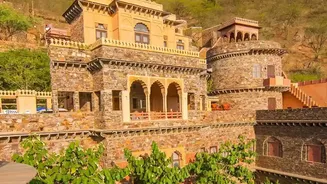
In the age of social media, the aesthetic appeal of a property plays a crucial role. A unique stay—be it a glass-walled cabin in the mountains, a royal haveli in Rajasthan, or a treehouse overlooking a plantation—is inherently 'Instagrammable'. For many younger travellers, the visual story of their trip is as important as the trip itself. A recent Airbnb report revealed that 63% of Gen Z travellers have picked a destination specifically because of an eye-catching stay they discovered online. This desire for a unique, shareable experience has turned many boutique properties and homestays into destinations in their own right, propelled by the power of a single, stunning photograph shared online.