





The First Step: How Temperature Affects Enzymes
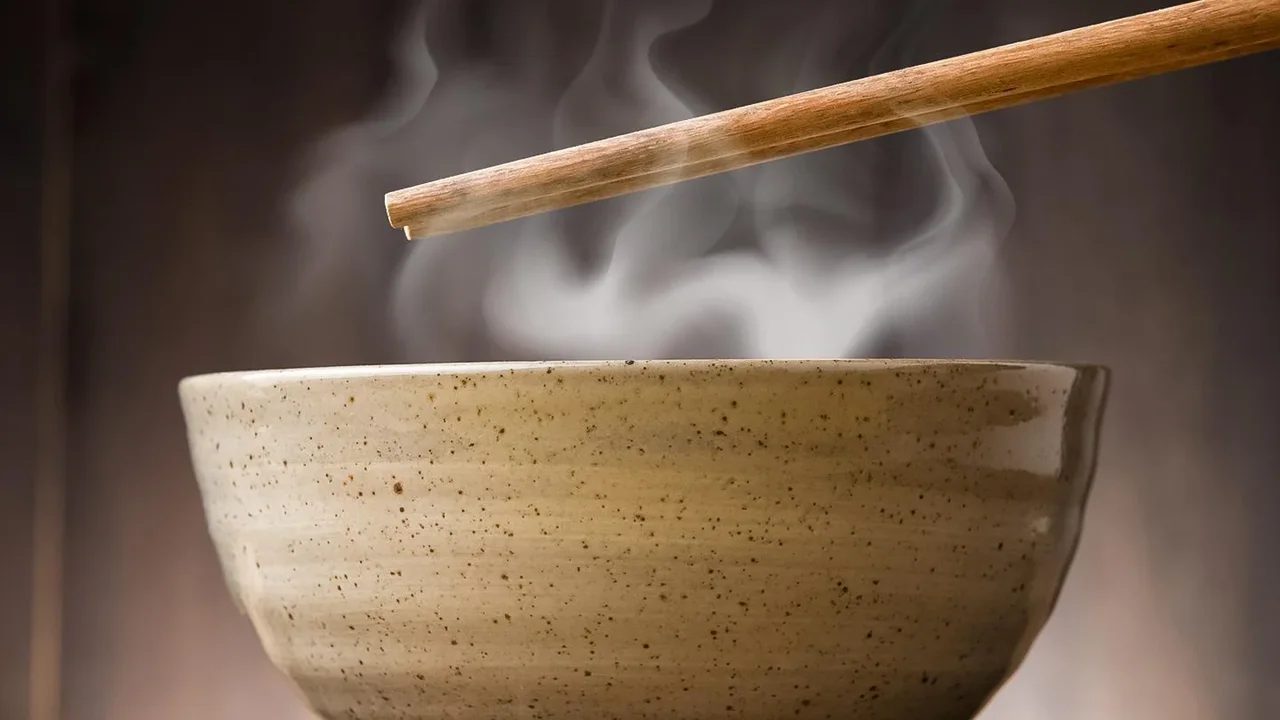
Digestion begins the moment we eat, and it's a process driven by enzymes. These biological catalysts work best within a specific temperature range, similar to our body's core temperature. Traditional medicine systems like Chinese dietary theory refer
to this as the 'digestive fire'. When you consume very cold food or drinks, your body must expend energy to warm them up before digestion can proceed efficiently. This can slow down the initial breakdown of food. Conversely, warm food is closer to the optimal temperature for enzymatic activity, potentially giving the digestive process a head start. Cooking, for instance, can be seen as a form of 'pre-digestion' that begins breaking down food structures, like tough vegetable cell walls, making nutrients easier for our bodies to access.
The Stomach's Response: Regulating the Flow
Your stomach acts as a gatekeeper, and its primary job is to process food into a semi-liquid state called chyme before passing it to the small intestine. Part of this process involves temperature regulation. Research shows the stomach works to bring its contents to body temperature before releasing them. Studies on gastric emptying—the speed at which food leaves the stomach—have shown mixed but interesting results. Some research indicates that both very hot and very cold liquids can slow down gastric emptying compared to body-temperature liquids. This delay gives your stomach more time to neutralize the temperature. One study noted that consuming very cold water (2°C) before a meal actually reduced subsequent energy intake, possibly by modulating gastric motility. This suggests a complex relationship between temperature, stomach contractions, and even our appetite signals.
The Link to Nutrient Absorption
Does temperature affect how many nutrients you get from your food? The answer is nuanced. The act of cooking itself has a major impact. Heating can make some nutrients more available; for example, cooking tomatoes releases more of the antioxidant lycopene, and cooked carrots provide more beta-carotene. Cooking also helps break down proteins in meat, making them more digestible, though overcooking can have the opposite effect. On the other hand, heat can degrade heat-sensitive, water-soluble vitamins like Vitamin C and B vitamins. Cold food doesn't necessarily hinder absorption, but by slowing the initial digestive process while the body warms the food, it may slightly delay the overall timeline. For those with sensitive digestion or conditions like functional dyspepsia, warm food is often recommended as it requires less work from the digestive system.
What About the Gut Microbiome?
The claim that meal temperature 'shapes' the gut microbiome is an area of growing interest, but the direct links are still being explored. Most research focuses on how ambient or body temperature, rather than food temperature, affects microbes. However, we can infer some indirect effects. Since the microbiome is influenced by what we digest, factors that alter digestive efficiency could logically have a downstream impact. For example, if cold foods slow digestion, it could change the environment in which gut bacteria live. Some studies suggest high ambient temperatures can encourage the growth of 'bad' bacteria in the gut. Furthermore, research on cooked versus raw diets (a significant temperature difference) has shown that cooking alters the food's structure, which in turn leads to subtle but distinct shifts in the gut microbiota of both mice and humans. This suggests temperature's effect on the food itself is a key factor.
Finding the Right Balance for You
So, should all your meals be warm? Not necessarily. The key is balance and listening to your body. For many, warm, cooked foods are generally easier on the digestive system and can be particularly comforting for those with digestive issues like bloating or cramps. Incorporating warming spices like ginger can also aid digestion. However, cold foods have their place. Crisp salads and chilled fruits are rich in vitamins and enzymes that heat can destroy. Cold drinks can be excellent for hydration, especially during exercise. The goal isn't to be dogmatic but mindful. Pay attention to how you feel after eating meals of different temperatures. If you often feel bloated or heavy after cold meals, try incorporating more warm, cooked options. A study from San Diego State University even found links between consumption temperature and well-being, noting that some participants who drank more hot beverages reported fewer digestive symptoms.