
An Undiscovered Coastal Gem
Quy Nhon is often described as one of Vietnam's most underrated seaside escapes. Unlike the more developed destinations of Nha Trang and Da Nang, this city has retained a refreshingly quiet and authentic atmosphere. Here, the main draw isn't a sprawling
strip of resorts, but a string of golden sand beaches, dramatic cliffs, and gentle coves where local life continues its unhurried rhythm. It’s a place for travellers seeking tranquillity, where you’re more likely to share the beach with local fishermen and their iconic round basket boats than with crowds of tourists. The journey to its quieter bays reveals a side of Vietnam that feels both timeless and deeply peaceful.
Bai Xep: The Authentic Fishing Village
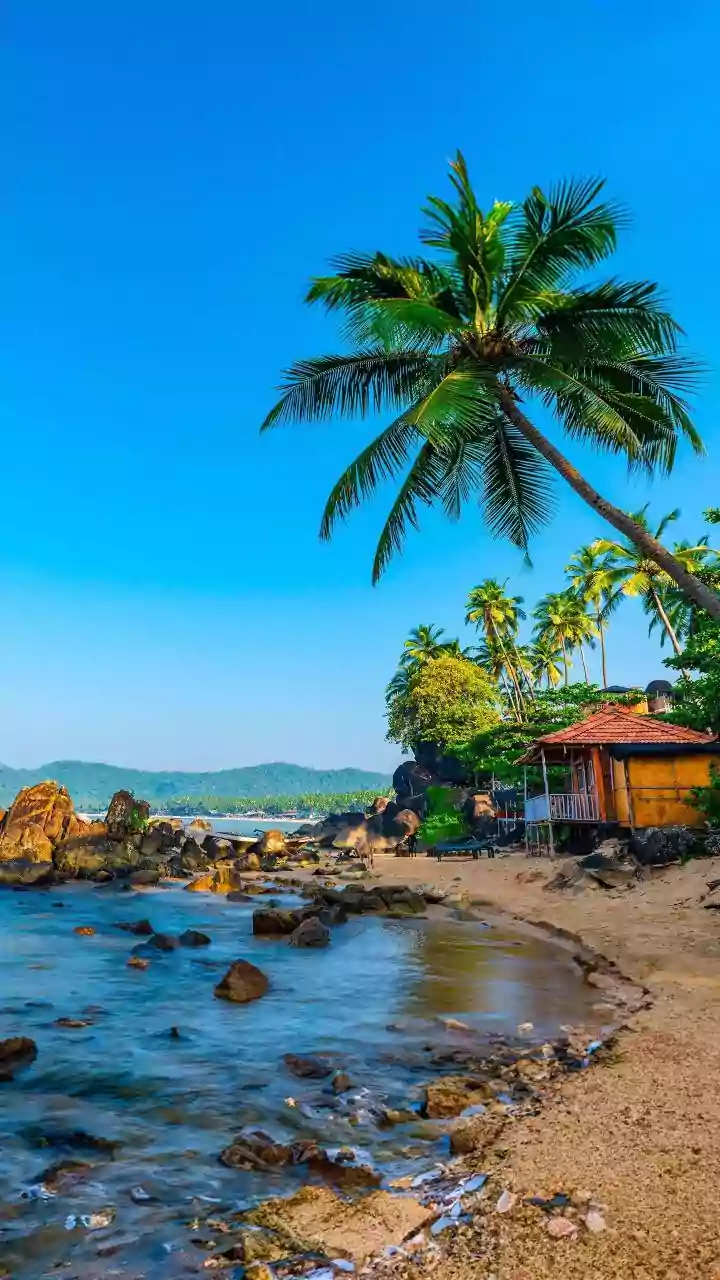
Just 13 kilometres south of the city centre lies Bai Xep, a small fishing village that has captured the hearts of those lucky enough to find it. This is not a polished resort town; it's a living village with a maze of narrow alleys and a golden, crescent-shaped bay. The beach itself is stunning, framed by rugged rocks and dotted with traditional boats, offering an authentic, local feel that has not yet been lost to mass tourism. The water is generally calm and clear, making it perfect for swimming. While a couple of charming guesthouses have put Bai Xep on the map for independent travellers, it remains a peaceful escape where you can enjoy fresh seafood from local restaurants and watch the rhythm of daily life by the sea.
Eo Gio: The Wind-Swept Walkway
Meaning 'Windy Pass', Eo Gio is a breathtaking spectacle of nature located about 20 kilometres from Quy Nhon. It is known for its dramatic, saddle-like hollow nestled between two towering mountain peaks that funnel the sea breeze. While not a traditional swimming beach due to its rocky shoreline, its main attraction is the magnificent coastal walking trail that winds along the cliffs. This path offers stunning, panoramic views of the turbulent sea crashing against the rocks below. It’s a favourite spot for photography, especially in the late afternoon when the setting sun casts a golden glow on the dramatic landscape. A visit here is less about lounging on the sand and more about experiencing the raw, powerful beauty of Vietnam’s coastline.
Hon Kho: The Dry Island's Hidden Charm
A short boat or canoe ride from the mainland fishing village of Nhon Hai takes you to Hon Kho, or 'Dry Island'. This small island is celebrated for its pristine beauty, clear turquoise waters, and thriving coral reefs, making it one of the best local spots for snorkeling. One of Hon Kho’s most unique features is a pathway of sand and rock that emerges from the sea during low tide, allowing you to walk part of the way out to the island. The island itself is largely untouched, offering a sense of raw nature. From March to August is the ideal time to visit, when the seas are calm and the weather is dry, perfect for swimming and exploring the vibrant marine life just below the surface.
Ghenh Rang and Quy Hoa: Poetry and Peace
Just south of the city, the Ghenh Rang-Tien Sa tourist area offers a mix of natural beauty and cultural significance. It’s a landscape of majestic rocky mountains winding along the coast. Within this area is Tien Sa beach, a beautiful stretch of sand, and the unique Hoang Hau (Queen's) Beach, famous for its shore made of large, smooth, egg-shaped stones. Nearby, Quy Hoa beach provides an even more tranquil experience. This long, sandy beach is often completely empty on weekdays, sheltered by trees and home to a quiet village. The area is also famous as the final resting place of the celebrated poet Han Mac Tu, adding a layer of poignant history to the serene landscape.