




What is Vertical Gardening?
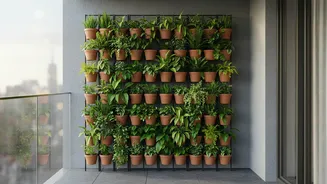
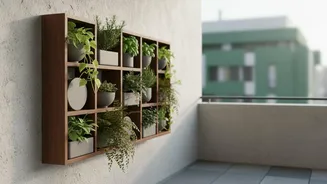
At its heart, vertical gardening is the art of using vertical surfaces to grow plants. Instead of occupying precious floor space, this method utilises walls, railings, and trellises. While the concept isn't new, its modern revival is driven by innovative
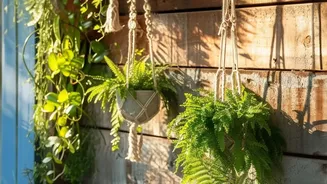
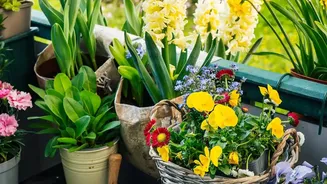
products and DIY creativity, making it more accessible than ever. Think modular wall planters, hanging fabric pockets, and repurposed materials that turn a blank wall into a living piece of art. It’s not just about hanging a single pot; it’s about creating an entire ecosystem that grows upwards, transforming balconies and indoor rooms into vibrant green sanctuaries.
The Perfect Solution for Indian Homes
In bustling Indian cities where apartments are the norm and balconies are cherished, vertical gardening is more than a trend—it's a practical solution. With space at a premium, growing outwards is a luxury many can't afford. Growing upwards, however, is open to everyone. This approach allows you to cultivate a surprising number of plants in just a few square feet. Beyond saving space, these 'living walls' offer a host of benefits. They can help improve indoor air quality by filtering pollutants. A wall of green can also provide a natural cooling effect, subtly lowering the temperature in a sun-drenched balcony or room, which is a welcome relief during hot Indian summers. Plus, there's the undeniable boost to your wellbeing that comes from being surrounded by nature.
Easy Ways to Get Started
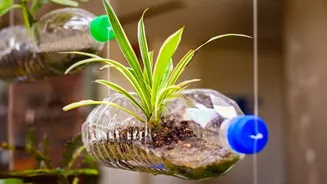
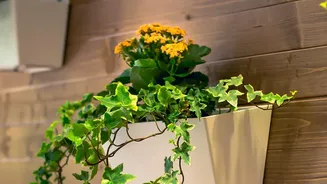
You don’t need to be an expert or invest in expensive systems to start your vertical garden. Simple, budget-friendly options abound. One popular DIY method involves upcycling plastic bottles; by cutting them and tying them to a mesh or frame, you can create a fantastic cascading garden. Another easy starting point is using fabric pocket planters. These can be hung on any wall and are perfect for growing a variety of herbs and flowers. For those with balcony railings, specially designed railing planters are a game-changer, instantly adding greenery without using any floor space. You can even lean an old ladder against a wall and place pots on its steps for an instant, rustic-chic plant display. The key is to start small and choose a method that fits your space and budget.
Choosing the Right Plants
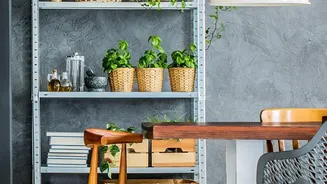
The success of your vertical garden hinges on selecting the right plants. For sunny Indian balconies, consider sun-loving plants. Herbs like mint (pudina), basil (tulsi), coriander (dhania), and curry leaf are excellent choices that are both beautiful and useful in the kitchen. Flowering plants like Portulaca (office time flower) add a splash of vibrant colour. For shadier spots or indoors, money plants, spider plants, and ferns are hardy and thrive in vertical setups. Trailing plants, often called creepers or vines, are particularly stunning as they cascade down, creating a 'waterfall' of green. Remember that vertical planters tend to dry out faster, so choosing relatively drought-tolerant plants can be a wise move.
Common Mistakes and How to Avoid Them
While starting is easy, a few common pitfalls can trip up new vertical gardeners. One of the biggest is improper watering. Since containers are smaller and often exposed to more sun and wind, the soil can dry out quickly. Check the moisture daily, but avoid overwatering, which can lead to root rot. Good drainage is essential. Another issue is weight. Ensure any wall-mounted planters, shelves, or hooks are securely fastened to support the full weight of soil, water, and mature plants. Finally, pay attention to sunlight. A plant that needs six hours of direct sun will not thrive in a shady indoor corner. Observe the light patterns in your chosen spot before deciding which plants to grow there.