



A Quality Helmet You’ll Actually Wear
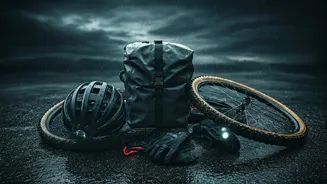
This is the single most important piece of gear for any cyclist. It's a non-negotiable for safety. Modern helmets are lightweight, well-ventilated, and designed for comfort, so there’s no excuse not to wear one. When choosing, look for a helmet that meets
current safety standards and fits snugly without being tight. [12, 21, 27] Many helmets now feature MIPS (Multi-directional Impact Protection System), which provides extra protection against rotational forces in certain types of crashes. [12] Remember to replace your helmet after any significant impact, or every five years, as the protective materials can degrade over time. [10]
Lights to See and Be Seen
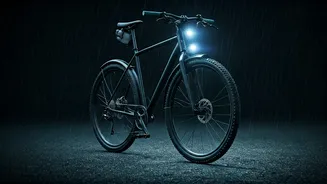
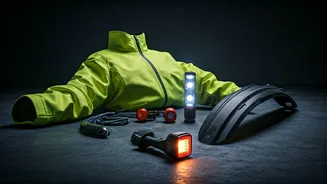
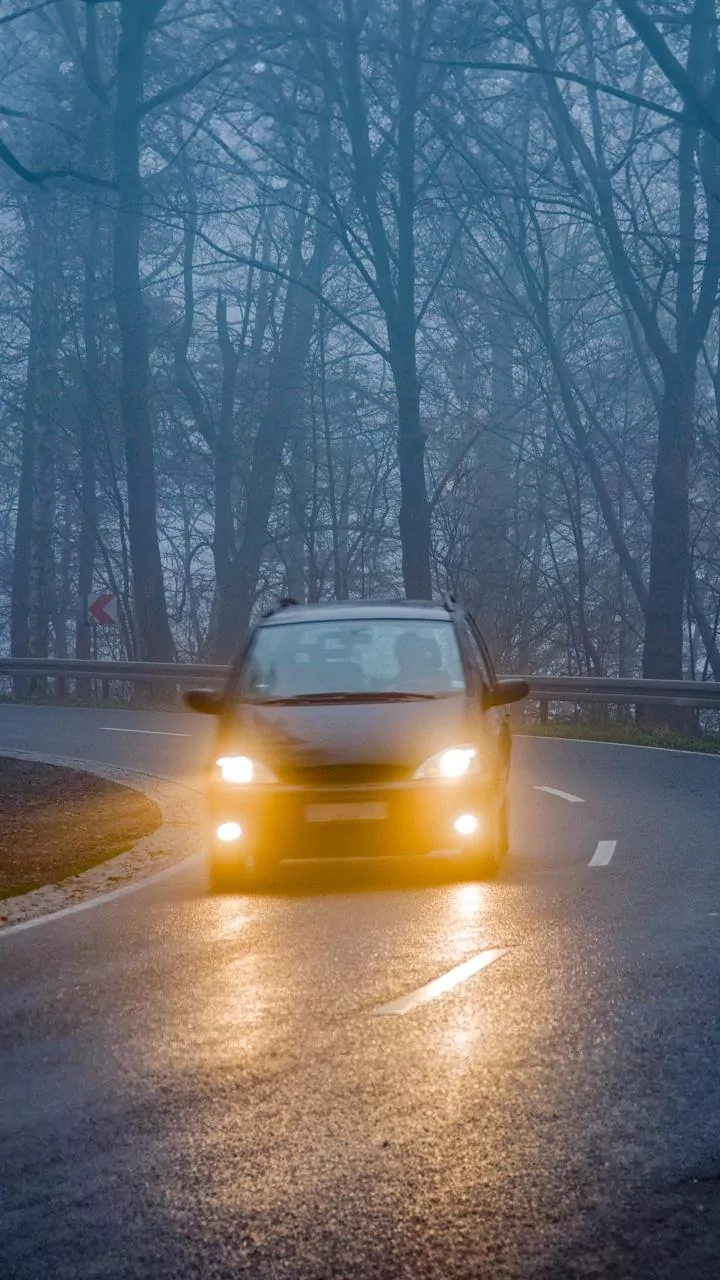
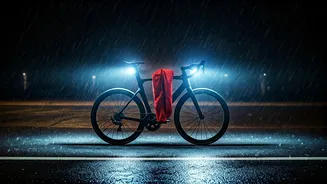
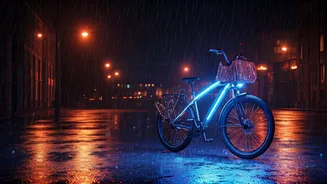
A good set of lights is crucial for visibility, not just at night but also during the day. [13, 21] A white front light and a red rear light are the standard. For commuting in well-lit urban areas, a light set with 100-300 lumens is often sufficient to ensure you are seen by others. [2] If your route includes unlit paths or roads, you'll need a more powerful front light (400 lumens or more) to illuminate the way ahead. [17] Look for USB-rechargeable models for convenience and cost savings. [2] Many lights also offer a flashing mode, which can be particularly effective at catching the attention of drivers in daylight. [15]
Mudguards for a Cleaner Ride
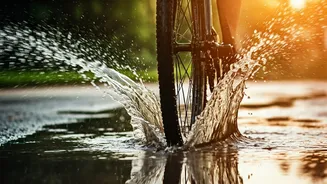
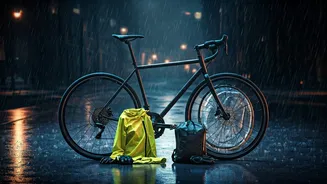
Often overlooked, mudguards (or fenders) are a game-changer, especially in wet conditions. [5] They act as a barrier, preventing water, mud, and road grime from spraying up onto your back, legs, and face. [4] This not only keeps you cleaner and more comfortable but also protects your bike's components, like the drivetrain, from premature wear and tear caused by grit and water. [4, 5] There are various types, from full-length guards that offer maximum protection to clip-on versions for bikes without specific mounting points. [3, 8] By keeping you drier, they can make year-round riding a much more pleasant experience. [3, 4]
A Sturdy Lock to Protect Your Bike
A reliable lock is a necessary investment to protect your bike from theft, especially if you plan to leave it unattended in public spaces. A high-quality U-lock (also known as a D-lock) is often recommended as it offers strong resistance to cutting and leverage attacks. [12] For maximum security, some cyclists use a U-lock to secure the frame to an immovable object and a secondary cable or chain lock to protect the wheels. [12] Quick-release wheels are particularly vulnerable, so ensuring they are secured is important. Always factor in the cost of a good lock as part of your initial bike purchase.
A Basic Repair Kit for the Roadside
Even the best-maintained bikes can suffer a flat tyre. Being prepared for this common issue can save you a long walk home. A basic roadside repair kit, often stored in a small saddle bag, is essential. [14, 21] Your kit should include a spare inner tube, tyre levers (to help remove the tyre from the wheel), and a way to inflate the new tube, such as a compact mini-pump or a CO2 inflator. [9, 23] A multi-tool with a selection of Allen keys and screwdrivers is also invaluable for making minor adjustments, like tightening a loose bolt, while you're out. [1, 10]
A Floor Pump for Easy Inflation
While a mini-pump is for emergencies, a floor pump is for home maintenance. Properly inflated tyres are crucial for ride quality, speed, and preventing punctures. A floor pump makes it quick and easy to get your tyres to the correct pressure before every ride. [16, 18] Look for one with a built-in pressure gauge so you can be precise. [18] Regularly checking your tyre pressure is one of the simplest and most effective pieces of maintenance you can perform. It ensures your bike performs at its best and reduces the likelihood of flats. [16]