







What is the PJ.2.1 Variant?
PJ.2.1 is a new lineage of SARS-CoV-2, the virus that causes COVID-19. First identified in a sample from Ontario, Canada, on May 2, 2026, it has since been detected in the United States, Europe, Australia, and parts of Asia. Scientists describe PJ.2.1 as a 'saltation
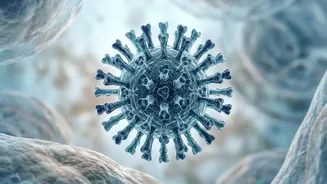
variant', which means it appeared with a large number of genetic changes at once, rather than evolving slowly over time. This variant is a descendant of the JN.1 lineage, which was a dominant strain in the past. Its highly mutated spike protein—the part the virus uses to enter human cells—is what has drawn the attention of researchers.
A Story of Spread, Not Severity
The key takeaway from the headline is the second part: there is no confirmation of increased disease severity. While PJ.2.1 is spreading, there is currently no clinical evidence to suggest it causes more severe illness, hospitalisations, or deaths than other circulating variants. Laboratory studies have found that PJ.2.1 may bind more efficiently to the ACE2 receptor, which is like a doorway into our cells. This could potentially help it spread. However, early research also shows it does not seem to be significantly better at evading the immunity built up from previous vaccinations and infections. Experts are stressing the important distinction that a variant can spread more easily without necessarily making people sicker.
What Are the Symptoms?
According to the World Health Organization (WHO), there is no unique symptom profile for PJ.2.1. The symptoms are consistent with other recent COVID-19 variants and can easily be confused with the common cold or flu. Commonly reported symptoms include a sore throat, cough, fever, runny nose, headache, muscle aches, and fatigue. Because of this overlap, the WHO and other health experts have reiterated that testing is the only reliable way to know for sure if you have COVID-19 or another respiratory virus. Some reports mention the possibility of a more severe sore throat or prolonged fatigue, but this is not widely established.
Vigilance Without Alarm
The emergence of PJ.2.1 is a reminder that the virus is still evolving. Global health bodies like the WHO, through networks such as CoViNet, are continuously monitoring these changes to guide public health responses. Experts in India and abroad are calling for continued surveillance but are also cautioning against unnecessary alarm. The message is one of calm vigilance. While this variant is being watched closely due to its rapid spread and mutations, our existing toolkit remains relevant. This includes staying up-to-date with recommended vaccinations, which still offer strong protection against severe disease, and practicing good hygiene like hand washing.