




Know Before You Go: Udyan Utsav-II
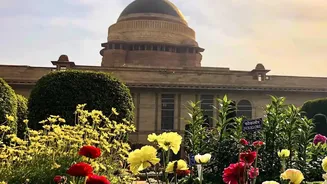
The gardens are open to the public for a special monsoon season viewing called Udyan Utsav-II, or the Summer Annuals edition. For 2026, this runs from August 16 to September 15. This is a fantastic opportunity to see summer annuals and native Indian flowers
in full bloom, offering a different but equally stunning vista compared to the famous winter tulip displays. The lush greenery, washed clean by the rains, makes for a refreshing escape from the city's hustle. Note that the gardens are closed every Monday for maintenance.
Booking Your Free Visit
Entry to Amrit Udyan is free of cost, but booking a slot in advance is mandatory. Walk-in entries are not permitted, so do not arrive without a confirmed digital ticket. You must book your visit online through the official Rashtrapati Bhavan website (visit.rashtrapatibhavan.gov.in). Bookings for a particular day close at 10 am the day before, so it's wise to plan ahead, especially for weekends. You can reserve a spot for up to six people on a single ticket. During the booking process, you'll select an hourly time slot for your entry.
Timings and How to Reach
The gardens are open from 10 am to 6 pm, with the last entry permitted at 5 pm. Entry and exit for all visitors is through Gate No. 35 on North Avenue Road. The most convenient way to reach is by metro; the Central Secretariat station is the nearest. From Gate 4 of the station, a free shuttle bus service runs every 30 minutes between 9:30 am and 6 pm to ferry visitors to the entrance. This service helps you avoid parking hassles and the uncertainty of finding transport during a downpour.
Dressing for the Weather
August in Delhi is synonymous with humidity and rain. Opt for light, breathable fabrics like cotton or linen to stay comfortable. Given the possibility of sudden showers, quick-drying materials are an excellent choice. Comfortable walking shoes are a must, as the garden complex is vast. Choose footwear with good grip, as pathways can become slippery when wet. Avoid heels or brand-new shoes that might cause blisters. Since you are visiting a high-security area, modest dressing is advisable. Long skirts, trousers, or kurtas are all suitable options.
What to Carry (And What to Leave Behind)
Preparation is key for a monsoon visit. Umbrellas are permitted and highly recommended. You can also carry your mobile phone, a purse or small handbag, and a water bottle. For those with infants, milk bottles are allowed. However, larger bags, backpacks, cameras, video cameras, and any kind of food items are not permitted inside. It is best to travel light. For visitor convenience, facilities like drinking water, restrooms, first aid posts, and rain shelters are available along the designated route within the gardens.
Navigating a Rainy Day Visit
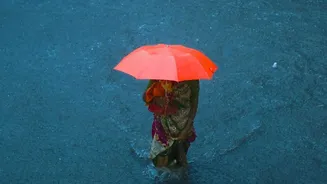
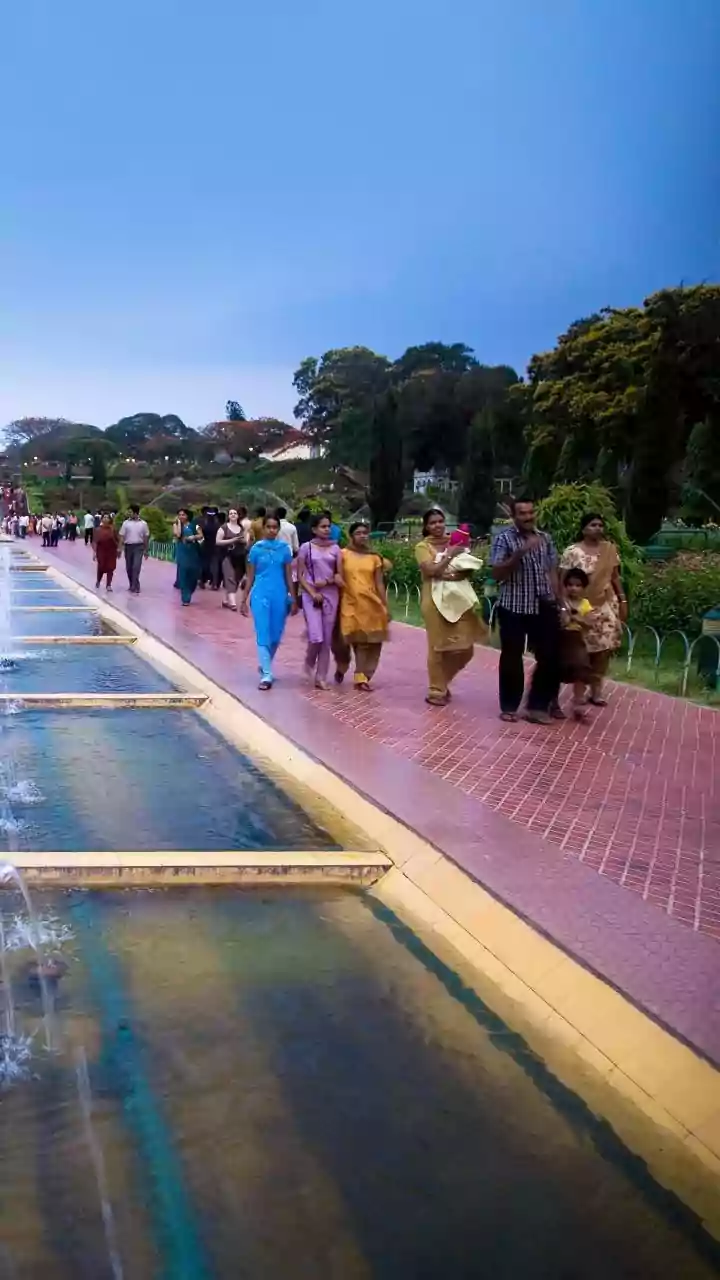
Don't let a drizzle deter you. The gardens take on a unique, ethereal beauty in the rain. The fragrance of wet earth and blooming flowers creates a memorable sensory experience. If you encounter a heavy downpour, you can take refuge in the designated rain shelters along the visitor route. The gardens have several sections to explore, including the Bonsai Garden, Herbal Garden, and the main Central Lawn. A new attraction for 2026 is the Babbling Brook, a landscaped water feature that would be particularly lovely during the monsoon. A little rain can actually enhance the beauty of these features, making your visit truly special.