

Headlines about our solar system becoming 'unstable' can sound alarming. But a recent wave of research confirms that while cosmic chaos is inevitable, it’s a concern for the far, far future—billions of years from now. Here's what it means.
The Billion-Year Question
Since Isaac
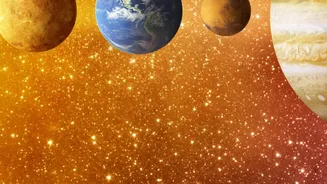
Newton, scientists have wondered if the planets' subtle gravitational nudges on each other could one day throw the whole system into disarray. This is known as the 'n-body problem', and it's notoriously difficult because each planet's gravity affects every other planet, creating a complex web of interactions that are impossible to solve with a simple equation. For centuries, astronomers have chipped away at the problem, with each generation refining our understanding. For all intents and purposes, our solar system is stable. Earth is not going to fly out of its orbit anytime soon. But on timescales of millions to billions of years, tiny uncertainties can grow into massive changes, a concept known as chaos theory. This means we can't predict a planet's exact position hundreds of millions of years from now, even with the most powerful computers.
What New Research Reveals
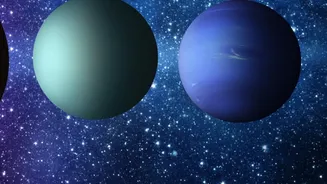
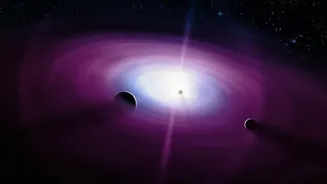
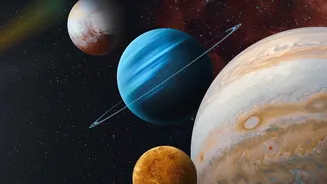
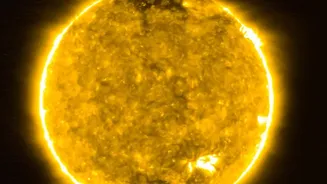
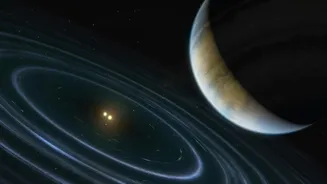
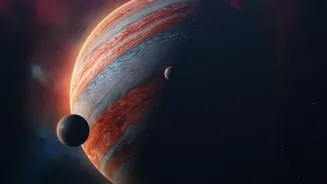
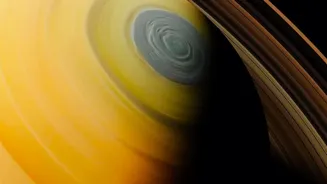
Recent studies have focused on the very end of our solar system's life, billions of years from today, when the Sun begins to die. As it swells into a red giant and then shrinks into a white dwarf, it will lose about half its mass. This loss of gravity will cause the remaining outer planets—Jupiter, Saturn, Uranus, and Neptune—to drift outward. A new study published in The Astrophysical Journal Letters suggests this process will be more violent than previously thought. Instead of a smooth mass loss, the Sun may eject its mass in uneven bursts, shaking up the outer planets' orbits and potentially destabilizing them much sooner than the 100 billion years previously estimated. These new simulations show that chaos could take hold in the outer solar system within just one billion years after the Sun becomes a white dwarf.
Running a Virtual Cosmos
To reach these conclusions, scientists run thousands of N-body simulations. They create a digital version of the solar system, inputting the planets' current positions and velocities as precisely as possible, and then let the laws of physics play out for billions of virtual years. Because of the chaotic nature of the system, a minuscule change in the starting conditions—like shifting Earth's starting position by a few meters—can lead to wildly different outcomes millions of years down the line. By running many slightly different simulations, researchers can build a statistical picture of the most likely futures. In some of the new simulations of the Sun's death, Saturn was ejected from the solar system entirely, while in others, Uranus and Neptune swapped places.
Mercury: The Chaotic Cousin
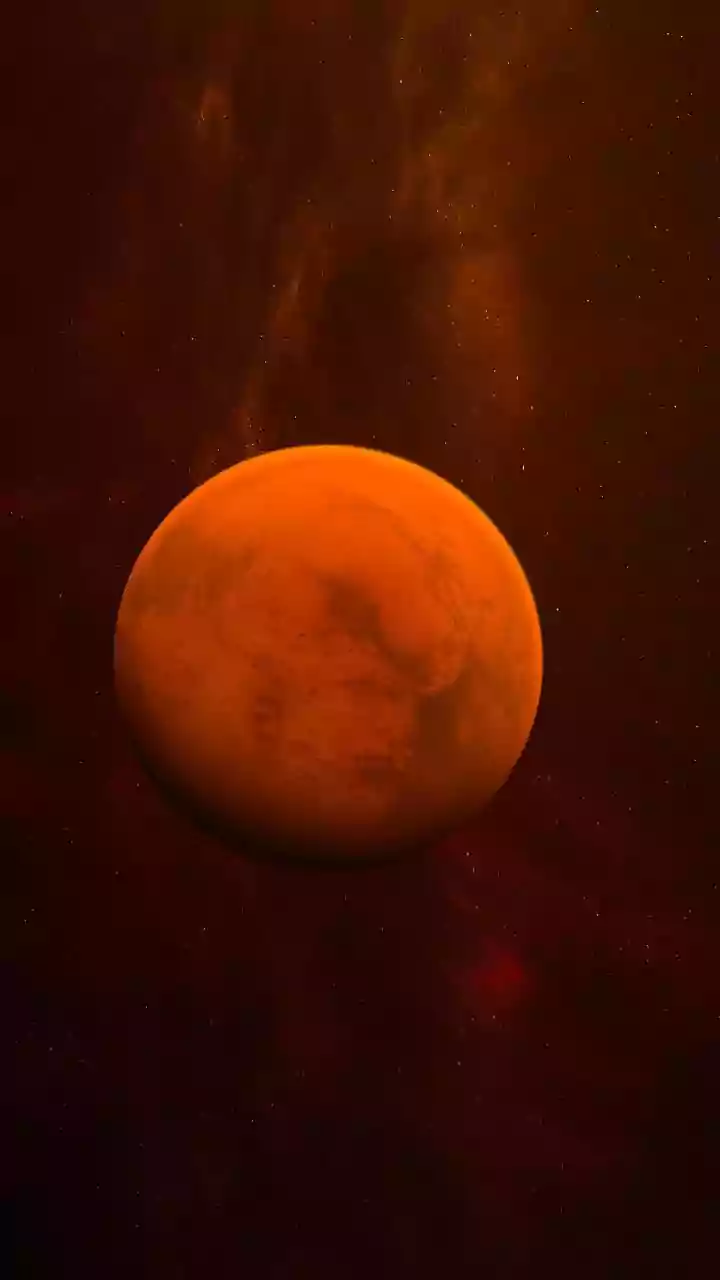
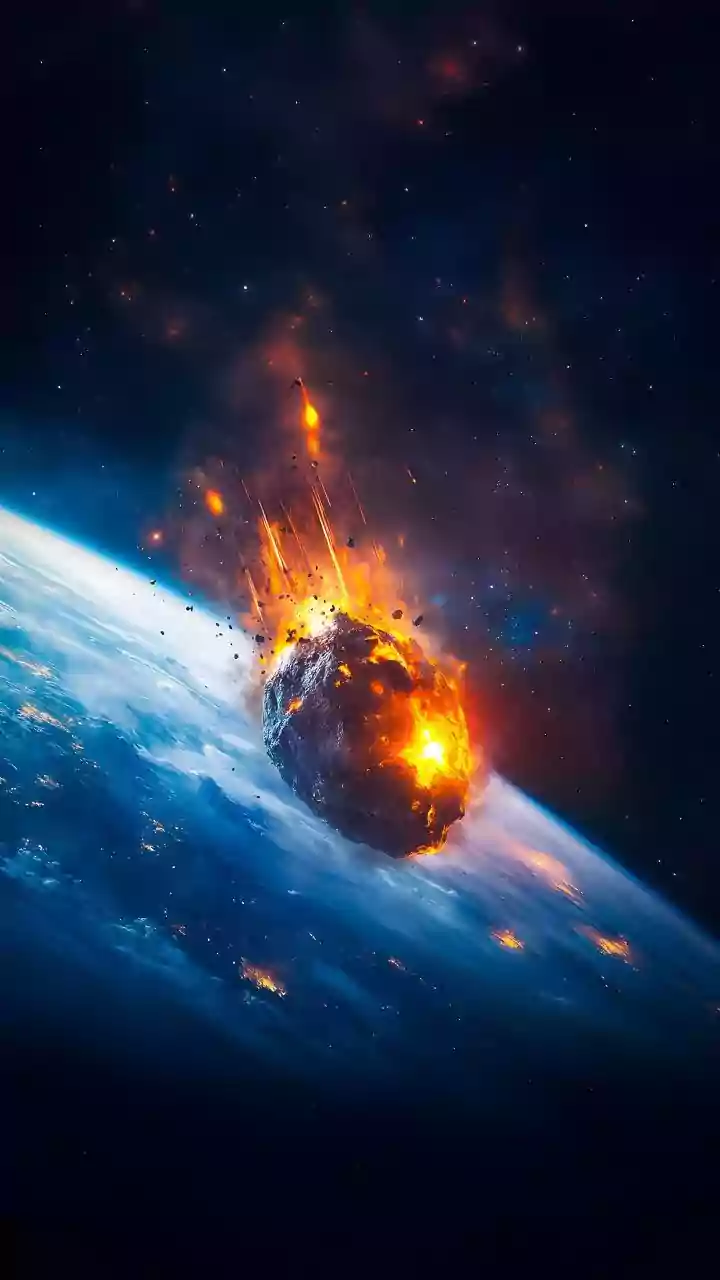
Long before the Sun's demise, the biggest source of orbital uncertainty in our solar system is Mercury. Its elongated and tilted orbit makes it particularly susceptible to gravitational tugs from the massive planet Jupiter. Over billions of years, there is a very small—about 1%—chance that Mercury's orbit could become so erratic that it destabilizes the inner solar system. Most simulations show this would likely result in Mercury colliding with Venus or the Sun. While a few older simulations showed a slim possibility of a collision with Earth, more recent and numerous studies suggest this scenario is extremely unlikely. For the next few billion years, Earth's orbit is considered relatively stable.
The Real, Distant Danger
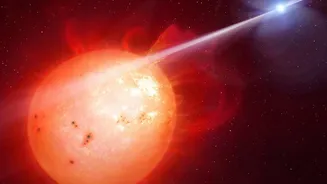
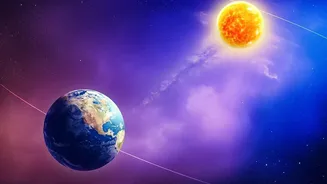
While the idea of planetary collisions is dramatic, the far more certain threat to life on Earth is the Sun's own life cycle. In about five billion years, it will begin to exhaust its hydrogen fuel and swell into a red giant. Its expanding outer layers will engulf the orbits of Mercury, Venus, and almost certainly Earth, incinerating our planet long before any orbital chaos has a chance to affect us. The recent studies on instability, therefore, are not predicting an imminent threat. They are refining our understanding of what will happen to the surviving giant planets billions of years after Earth is already gone. The solar system's eventual end will be caused not by a chance collision, but by the star that gives it life.