



The vast, complex system of air traffic control that keeps skies safe is undergoing a critical and long-overdue upgrade. For passengers, this move away from decades-old technology means fewer delays and a big step forward in aviation safety.
Out With Floppy Disks, In With a Unified System
The U.S. Federal
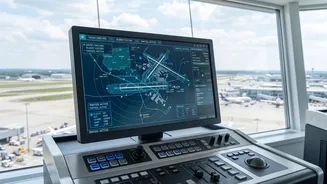
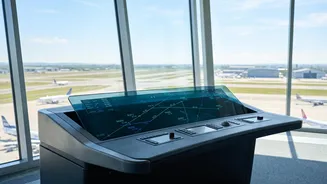
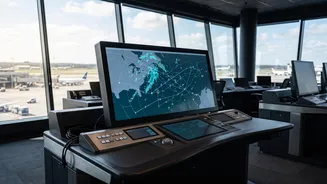
Aviation Administration (FAA) has officially begun rolling out a new, modern platform called the Enterprise Information Display System (E-IDS). This initiative is set to replace four separate legacy systems that have been in use since the 1980s. Incredibly, some of these outgoing systems still relied on floppy disks to store and distribute vital operational information. The new E-IDS consolidates multiple functions into a single, centralized digital display for air traffic controllers. This provides a unified view of everything from weather disruptions and flight alerts to equipment status and restricted airspace schedules, eliminating the need for controllers to consult various separate, outdated screens and manual processes.
The Problem With a Fragmented Picture
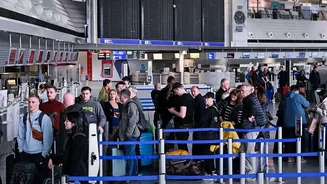
For decades, America's air traffic control has operated on a patchwork of systems that don't easily communicate with each other. This is known as a point-to-point system, where information is often siloed. A controller in one area might have access to one set of data, while a pilot or an airline operations center has another. This fragmentation can lead to inefficiencies at best and safety risks at worst. When weather events occur, which account for nearly 70% of all flight delays, a lack of shared, real-time information can cause a ripple effect of cancellations and ground stops across the entire network. The old systems were also becoming expensive and difficult to maintain, requiring operational workarounds to keep them running.
How the Modern Platform Changes the Game
The new E-IDS is a key part of the FAA's broader, multi-billion dollar modernization effort known as the Next Generation Air Transportation System (NextGen). The core philosophy of NextGen is a shift to System Wide Information Management (SWIM), which acts as a digital backbone for aviation data. Instead of fragmented, point-to-point communication, SWIM allows all stakeholders—controllers, pilots, airlines, and airports—to access the same reliable, real-time information from a single source. This creates a common operating picture, ensuring everyone is making decisions based on the same up-to-the minute data on weather, flight paths, and airport conditions.
What This Means for Travelers
While the technology is complex, the benefits for passengers are straightforward. A unified information system allows for more proactive and strategic management of air traffic. For example, the NextGen Weather Processor can predict route blockages up to eight hours in advance, allowing for more precise and efficient rerouting around bad weather. This capability is expected to significantly reduce weatherndelays, a major source of frustration for travelers. By enabling more direct and fuelndefficient routes, the system not only saves time but also reduces the environmental impact of flying. Ultimately, this modernization leads to a safer, more predictable, and more resilient air travel experience for everyone, including international passengers flying to, from, and within the United States.
A Nationwide Rollout
This is not a smallndscale test. The FAA has already begun deploying the EIDS at key locations, including airports in Atlantic City, Nashville, and Rochester, with plans to expand it to over 400 facilities by the end of 2028. This upgrade represents a fundamental shift from a reactive air traffic control system to a proactive and predictive one. While much of the NextGen infrastructure operates behind the scenes, its impact on improving the reliability and safety of the National Airspace System will be felt by millions of travelers for years to come.