





The New 'Work from Home' Is 'Work from Mountains'
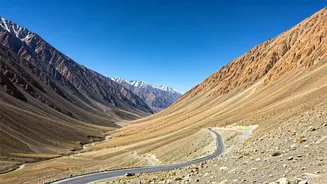
The corporate corridors of Bengaluru and Gurugram are emptying out, but not in the way you might think. A quiet, yet significant, migration is underway, and its destination is the Himalayan village of Kasol. Spurred by the pandemic-induced normalisation
of remote work, thousands of young Indian professionals—coders, writers, designers, and marketers—are swapping their urban grind for a 'workation' that never has to end. What was once a backpacker's haven is now transforming into a bustling hub for digital nomads. This isn't just about escaping the city; it's about consciously choosing a different pace of life, where productivity is measured not by hours spent in traffic but by the clarity of thought that comes with fresh mountain air.
The Magnetic Pull of Kasol
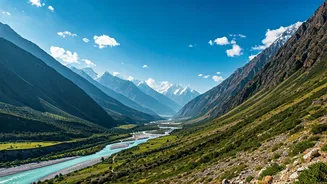
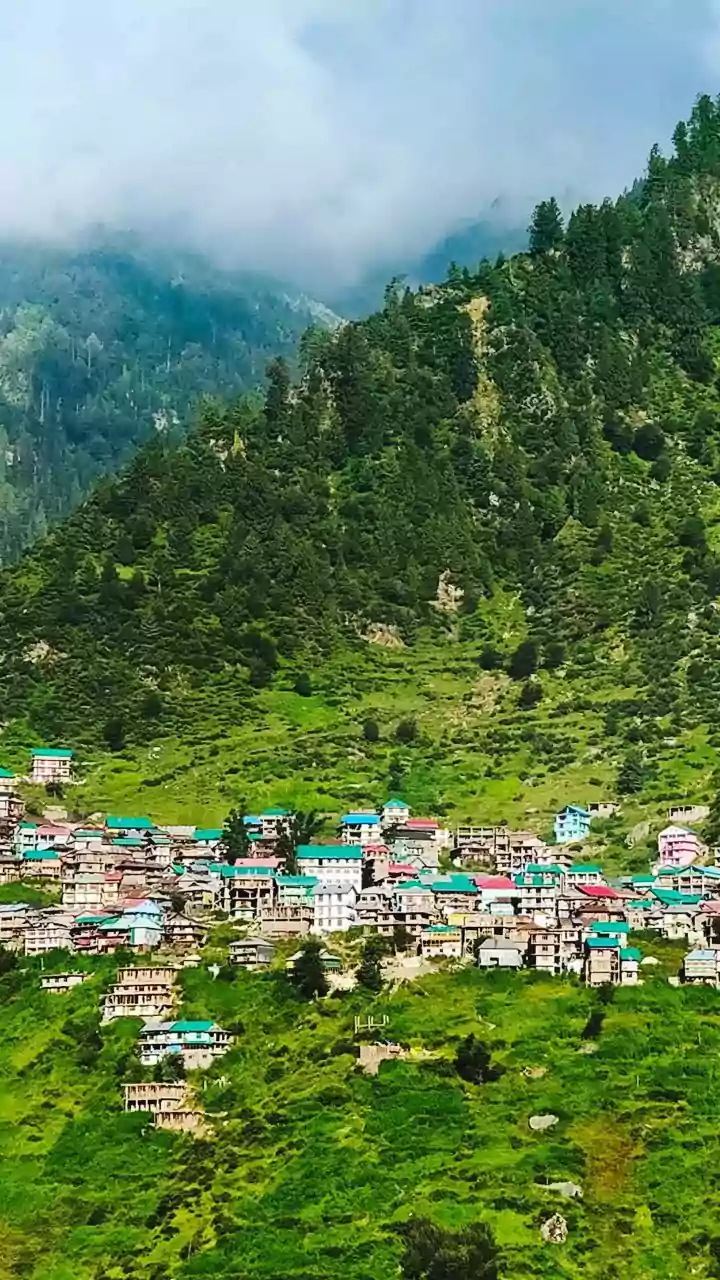
Why Kasol? The village, nestled in Himachal Pradesh's picturesque Parvati Valley, has long held a mystical allure. Known as the 'Mini Israel of India' for its popularity with Israeli tourists, it offers a unique blend of cultures against a stunning natural backdrop. For the new wave of remote workers, the appeal is multifaceted. The cost of living is a fraction of that in a metro city. A month's rent in Kasol can be less than a week's rent in Mumbai or Delhi. Add to that the abundance of quaint cafes with decent Wi-Fi, a vibrant social scene fuelled by fellow travellers and nomads, and endless opportunities for trekking, and you have the perfect recipe for a balanced life. It represents a tangible escape from pollution, noise, and the relentless pressure of urban existence, offering a promise of wellness that no corporate wellness program can match.
A Day in the Life: Laptops and Treks
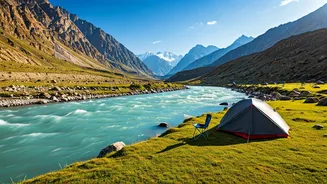
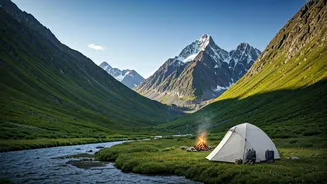
The daily routine of a Kasol-based remote worker is a study in contrasts. The morning might begin with a work call against a backdrop of snow-capped peaks, followed by a few intense hours of coding or writing, powered by strong local coffee. The lunch break isn't a rushed affair at a desk but a leisurely walk to a nearby cafe for some thukpa or shakshuka. Afternoons are often reserved for exploration—a short trek to the village of Chalal, a dip in the hot springs at Manikaran, or simply finding a quiet spot by the roaring Parvati River. Evenings are for socialising, sharing stories with fellow nomads at bonfires, or attending a local music gig. It's a lifestyle that integrates work into life, rather than letting work consume it. The 'office' becomes fluid, shifting from a cosy room to a riverside rock to a bustling cafe.
Reality Bites: Wi-Fi Woes and Local Impact
However, the idyllic dream is not without its practical challenges. The biggest hurdle is often the most critical for a digital nomad: internet connectivity. While cafes offer Wi-Fi, it can be notoriously unreliable, and mobile data signals are often patchy. Power cuts are common, especially during harsh weather, bringing work to a sudden halt. Beyond the technical difficulties, there's the social aspect. The transient nature of the community can make it hard to form lasting bonds, leading to a sense of isolation for some. Furthermore, this influx is putting a strain on the fragile ecosystem and local resources of a small village. Rents are rising for locals, the quiet culture is being disrupted, and there are growing concerns about the environmental impact of this year-round tourism. The 'exodus' brings economic benefits, but it’s a double-edged sword that requires mindful navigation from the newcomers.