




Why A 'Drying Zone' Is A Game-Changer
Draping wet clothes over every available chair and door handle doesn't just create clutter; it introduces a significant amount of moisture into your home's air. A single load of laundry can release up to two litres of water into the room as it dries.
This spike in indoor humidity, especially in poorly ventilated spaces, creates the perfect breeding ground for mould, mildew, and dust mites. These can trigger allergies, worsen asthma symptoms, and lead to respiratory issues, as highlighted in WHO guidelines on indoor air quality. A dedicated drying zone contains this moisture, protects your health, and prevents that persistent musty smell that clings to fabrics that take too long to dry. The goal is to reclaim your living space, not let laundry conquer it.
Choose Your Command Centre
The ideal drying zone is a well-ventilated area you can temporarily designate for the task. This could be a covered balcony, a utility area, a guest room, or even a corner of a larger bedroom. The most critical factor is airflow. Without it, you are simply moving moisture from your clothes into the surrounding air, where it will linger. If possible, choose a room where you can crack open a window without letting rain in. Using an exhaust fan in a nearby bathroom or kitchen can also help pull the damp air out. Avoid small, completely enclosed spaces like closets unless you plan to use technology to manage the humidity.
The Essential Toolkit for Indoor Drying
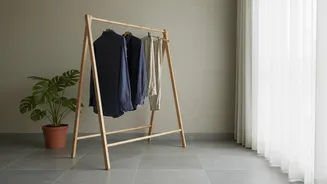
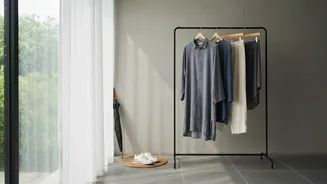
Your primary tool is a sturdy, foldable drying rack—metal is preferable as wood can warp. To supercharge the drying process, a pedestal or ceiling fan is non-negotiable; aiming it directly at the rack is more important than heat for speeding up evaporation. For homes in extremely humid cities like Mumbai or Kolkata, where indoor humidity can top 80%, a dehumidifier is a worthy investment. It actively pulls moisture from the air, drastically cutting drying time from over 12 hours to just 4-6 hours for many fabrics. Even running an air conditioner in the room will help, as it naturally dehumidifies the air as it cools. Small additions like moisture-absorbing silica gel packets or even bowls of rock salt can also help manage dampness in smaller, enclosed areas like wardrobes.
The Wet Laundry Strategy
Success begins at the washing machine. Use the highest spin cycle to mechanically remove as much water as possible before hanging. When placing clothes on the rack, give them space to breathe; garments that touch each other will not dry efficiently. Using hangers for shirts and kurtas can improve airflow and reduce the need for ironing later. Heavier items like jeans and towels should be placed in the path of the strongest airflow. A clever trick is to roll dense items like towels in a dry, fluffy towel and press down firmly to absorb excess water before hanging.
Solving The Soggy Shoe Problem
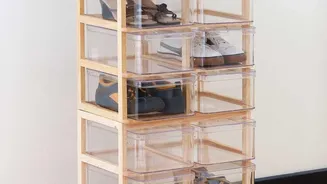
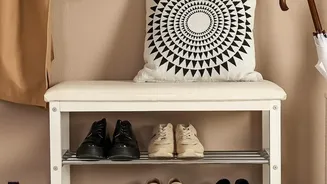
Wet shoes are prone to losing their shape and developing a permanent funk. Never place them near direct heat like a heater or use a high-heat hair dryer, as this can crack leather and melt adhesives. The classic, and best, method is to stuff them with crumpled newspaper. The paper wicks moisture from the inside. Replace the paper every few hours for very wet shoes. Once the shoes are mostly dry, removing the insoles and letting them air out separately speeds up the final stage. Propping them up near a fan or a refrigerator vent can also accelerate the process safely.
Taming The Dripping Umbrella
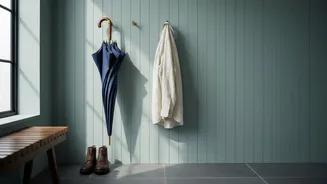
The final piece of the puzzle is the humble umbrella, which often leaves a trail of water through the house. Designate an umbrella stand or a bucket right by the entrance. Giving it a good shake outside before bringing it in is the first step. To dry it fully, open it and leave it in your drying zone or a tiled bathroom. This prevents rust on the metal parts and stops mildew from forming on the fabric, ensuring your umbrella is ready for the next downpour.