




The Urban Gardener’s Weather Woes
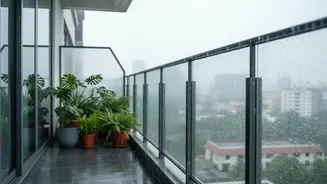
For apartment residents in India, a balcony is often the only connection to the outdoors, a small canvas for creating a lush, green sanctuary. However, this private paradise is constantly at the mercy of the elements. The intense downpours of the monsoon
season can flood pots, break delicate stems, and wash away precious soil. Conversely, the scorching summer sun can scorch leaves and quickly dehydrate plants, while strong winds can cause physical damage. These challenges can turn the rewarding hobby of gardening into a constant battle against the weather, forcing many to bring their plants indoors or watch them suffer.
Enter Modular Weather Shields
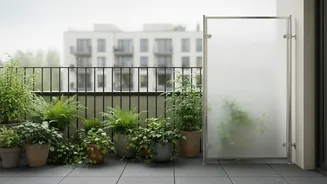
Modular weather shields are a versatile and modern answer to this problem. Unlike permanent, heavy constructions, these are adaptable systems designed to offer protection exactly where and when it is needed. The 'modular' aspect means they often come in panels or sections that can be configured, expanded, or adjusted to fit the specific dimensions and needs of your balcony. They function as a barrier, deflecting heavy rain and softening harsh sunlight, creating a more stable microclimate for your plants to thrive. From simple blinds to sophisticated panel systems, these shields put you back in control of your balcony's environment.
A Spectrum of Solutions and Materials
The market offers a variety of systems to suit different needs and budgets. Retractable awnings, made from weatherproof fabrics, provide flexible cover that can be extended during downpours or harsh sun and retracted on pleasant days. For more robust, semi-permanent protection, panels made from polycarbonate or acrylic are popular choices. Polycarbonate is virtually unbreakable and extremely durable, making it ideal for resisting heavy impact, though it can be more expensive. Acrylic offers superior optical clarity and is more scratch-resistant, giving a sleek, glass-like appearance. Other options include bamboo or PVC blinds, which offer a cost-effective way to shield against angled rain and sun while adding a decorative touch.
More Than Just Rain Protection
While the primary benefit is shielding plants from torrential rain, these systems offer year-round advantages. They can significantly reduce the intensity of direct sunlight, preventing leaf burn and reducing the need for frequent watering. Shade nets, for instance, are specifically designed to filter UV rays and can lower the temperature on your balcony. Shields also act as windbreakers, protecting taller plants from being snapped and smaller ones from windburn. This creates a gentler, more controlled environment, allowing you to grow a wider variety of plants that might otherwise not survive on an exposed balcony.
Installation and Legal Considerations
Before rushing to install a balcony shield, it is crucial to consider the practical and legal aspects. Many modular systems, like outdoor blinds or simple shade nets, are designed for easy, DIY installation. However, more permanent structures like fixed canopies or panelled enclosures may require professional help. Crucially, in many Indian cities, making alterations to a building's exterior is regulated. Enclosing a balcony, even partially, might require permission from your housing society's RWA (Resident Welfare Association) and, in some cases, the local municipal corporation. It's always best to check your society's bye-laws and consult with the committee to ensure your planned installation is permissible to avoid any future disputes.