


Visa-Free Travel: What You Need to Know
For Indian passport holders, Malaysia offers visa-free entry for tourism purposes for up to 30 days, a policy currently in place until December 31, 2026. This makes a spontaneous backpacking trip entirely possible, but 'visa-free' doesn't mean 'paperwork-free'.
Before you fly, you must complete the Malaysia Digital Arrival Card (MDAC) online. This is a mandatory step and must be done within three days prior to your arrival. It's a simple online form that asks for your personal, travel, and accommodation details, and there is no fee to submit it. At immigration, be prepared to show your valid passport (with at least six months of validity), a confirmed return flight ticket, and proof of accommodation. It is crucial to remember that this visa-free facility is strictly for tourism and social visits; attempting to find work is a violation of immigration laws and can lead to serious legal issues.
Kuala Lumpur: Your Urban Starting Point
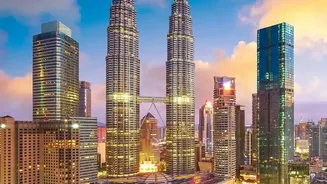
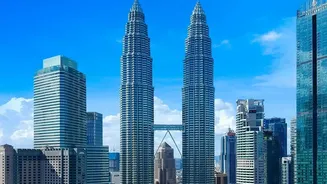
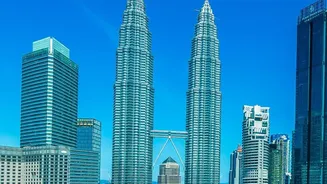
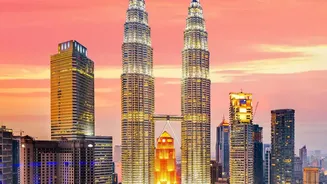
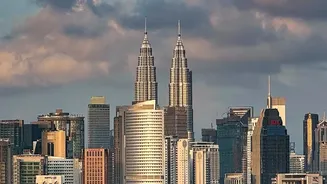
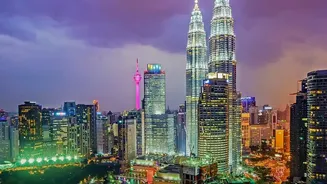
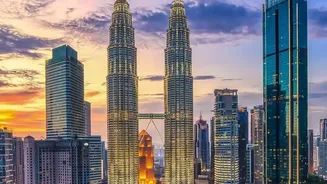
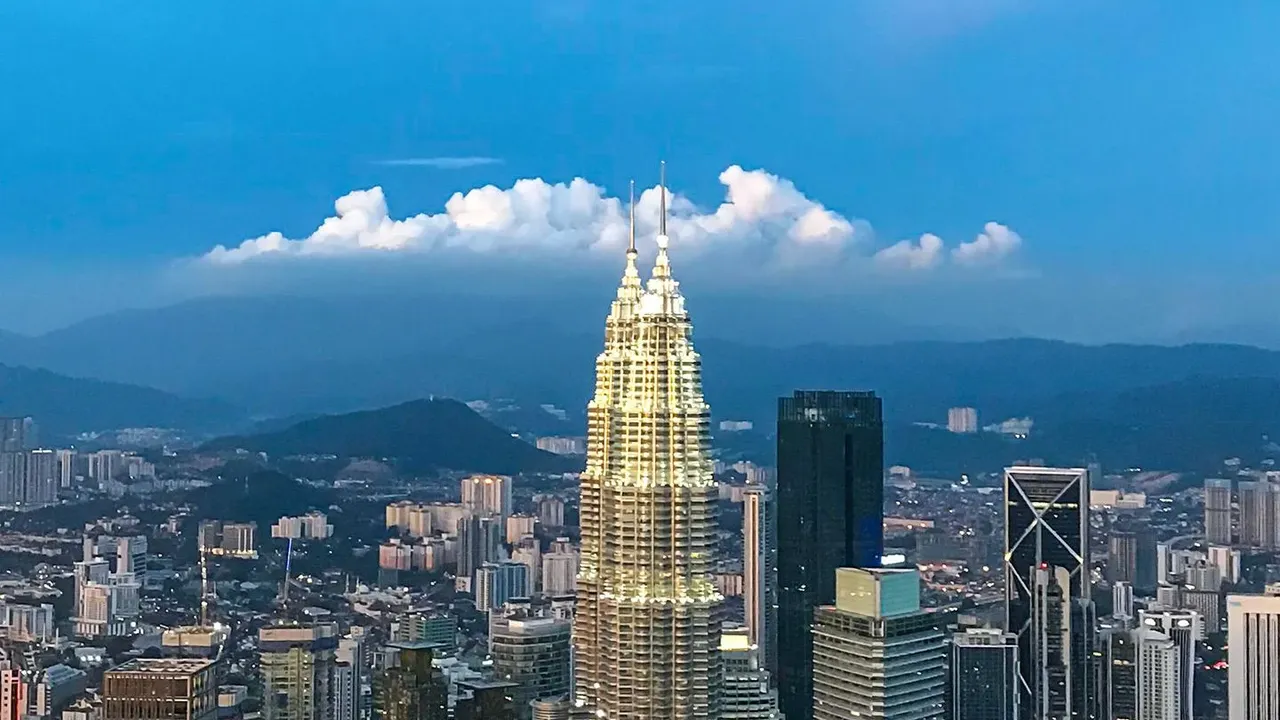
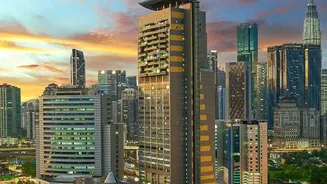
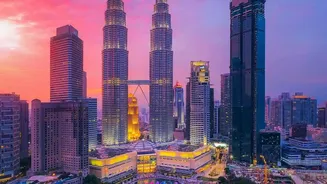
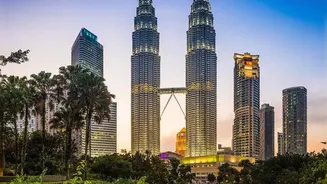
Most journeys begin in Kuala Lumpur (KL), a city where futuristic skyscrapers meet charming old-world streets. For a backpacker, the best areas to stay are around Bukit Bintang or Chinatown (Petaling Street), where you'll find an abundance of affordable hostels and guesthouses. A dorm bed can cost as little as 30-60 MYR per night. Must-see sights include the iconic Petronas Twin Towers (pro-tip: save money by admiring them from the ground at KLCC Park) and the sacred Batu Caves, a massive limestone hill with a series of caves and temples, reachable by a direct train. Don't miss exploring the vibrant street art in the back alleys of Bukit Bintang or tasting your way through Jalan Alor, the city's most famous food street. Getting around is easy and cheap with the LRT and Monorail systems.
Journey from KL to Penang
Connecting from the capital to the island of Penang is a well-trodden backpacker route. While flights are quick (about an hour), the most budget-friendly option is the bus. Numerous companies run comfortable, air-conditioned buses from KL's Terminal Bersepadu Selatan (TBS) to Penang Sentral. The journey takes around five hours and can cost as little as 35-50 MYR. Alternatively, the ETS train offers a scenic and comfortable ride that takes about four and a half hours, though it can be slightly more expensive than the bus. Booking your bus or train ticket a few days in advance is always a good idea, especially during weekends or holidays.
Penang: A Food and Culture Paradise
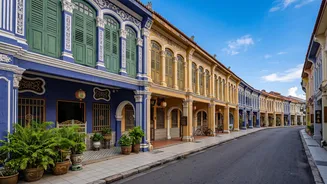
Welcome to the undisputed street food capital of Asia. Penang's heart is George Town, a UNESCO World Heritage Site filled with colonial architecture, quirky street art, and legendary hawker stalls. Base yourself in a hostel around Love Lane or Chulia Street to be in the thick of the action. Spend your days hunting for murals by artist Ernest Zacharevic, taking the funicular railway up Penang Hill for panoramic views, and exploring the serene Kek Lok Si Temple. But the real reason you're here is the food. A bowl of tangy, fish-based Asam Laksa, ranked among the world's best dishes, can cost less than $2. Other must-try dishes include Char Kway Teow (stir-fried flat noodles), Hokkien Mee, and the Indian-influenced Roti Canai.
Budgeting and Essential Tips
Malaysia is incredibly friendly to a backpacker's wallet. A daily budget of around $30-50 USD (approximately 140-235 MYR) is realistic if you stay in hostels, eat at hawker stalls, and use public transport. Street food meals are a steal, often costing between 5-15 MYR. A hostel dorm bed typically ranges from 30-60 MYR. Always have some cash on hand, as many smaller eateries and market stalls don't accept cards. When it comes to food, be adventurous. Try Nasi Lemak, Malaysia's national dish of coconut rice served with sambal and various accompaniments, or indulge in skewers of delicious Satay. For drinks, don't miss out on Teh Tarik (pulled milk tea) and refreshing fruit juices from street vendors.