



The Blueprint for a Balanced Meal
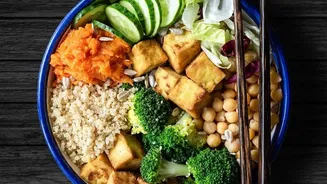
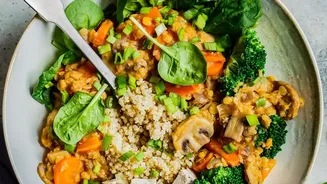
The secret to a truly satisfying and healthy one-pot meal lies in its balance. Aim to include the core components of a nutritious plate: a lean protein, a complex carbohydrate, plenty of vegetables, and a source of healthy fat. This combination ensures
you feel full and energised, and it provides a wide spectrum of essential nutrients. A well-rounded one-pot meal isn't just about throwing ingredients together; it's a strategic way to get a complete dinner in a single dish, simplifying both cooking and cleanup.
Start with a Protein Foundation
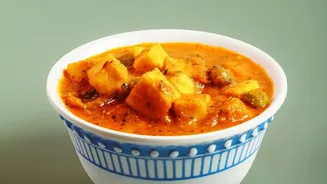
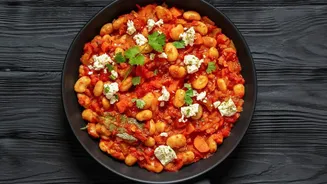
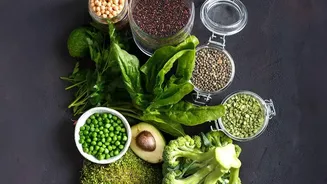
Protein is the building block of your meal, providing satiety and crucial nutrients. Excellent choices for one-pot cooking include chicken, fish, lentils, beans, and paneer. For meat, searing it in the pot first can develop a rich flavour base. For plant-based options like lentils and beans, they are brilliant at absorbing the flavours of the surrounding broth and spices as they cook. Many Indian classics like Rajma Masala (kidney bean curry) or lentil-based dal are fantastic one-pot examples.
Choose Complex Carbs and Grains
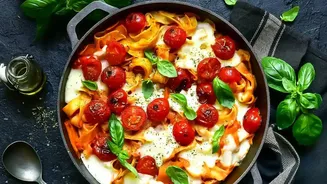
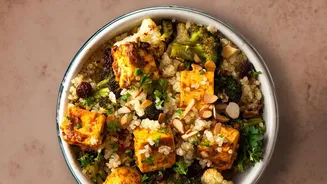
Complex carbohydrates provide sustained energy. Incorporating whole grains like brown rice, quinoa, or millets can add texture and fibre to your dish. These grains soak up the cooking liquid, thickening the meal and absorbing all the delicious flavours from the other ingredients. For a lower-carb approach, starchy vegetables like sweet potatoes or butternut squash also work wonderfully, adding natural sweetness and nutrients. Timing is key; add pasta or quick-cooking grains towards the end to prevent them from becoming mushy.
Load Up on Colourful Vegetables
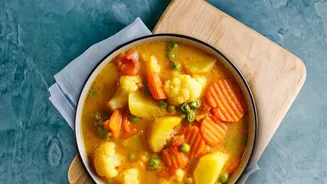
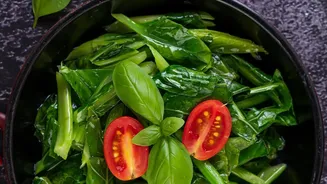
Vegetables are essential for vitamins, minerals, and fibre. A good rule is to use as many as you'd like. For the best texture, consider the cooking time of each vegetable. Root vegetables like carrots and potatoes should be added early on. More delicate vegetables such as bell peppers, mushrooms, and broccoli can be added midway through. Leafy greens like spinach or methi (fenugreek leaves) should be stirred in just before serving, as they wilt in minutes. This layering technique ensures every component is perfectly cooked.
Boost Flavour, Not Just Salt
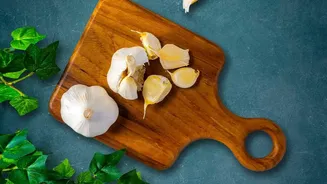
A flavourful meal doesn't have to be high in sodium. Start by sautéing aromatics like onions, garlic, and ginger. A well-stocked spice rack is your best friend; spices like cumin, turmeric, coriander, and garam masala are foundational to many Indian one-pot dishes. Fresh herbs, a squeeze of lemon juice, or a dollop of yogurt added at the end can brighten the entire dish. Cooking all the ingredients in one pot allows the flavours to meld together beautifully, creating a rich and satisfying taste.
Common Pitfalls and How to Avoid Them
A few common mistakes can lead to a less-than-perfect one-pot meal. The most frequent is using the wrong amount of liquid; too much can result in a bland, soupy dish, while too little can cause ingredients to burn or undercook. Be mindful not to overcrowd the pot, which can lead to steaming instead of searing and results in uneven cooking. Finally, have patience. Constantly lifting the lid releases heat and moisture, increasing your cooking time. Trust the process and let the ingredients simmer to perfection.