



A Different Kind of Wilderness
Traditionally, summer and winter have been the peak seasons for wildlife spotting in India, with most national parks closing their core zones from July to September. This is done to protect the habitat during the critical breeding season and because heavy
rains can make forest tracks impassable. However, this is changing. Many parks keep their buffer zones open, and several sanctuaries, particularly in the south and the Himalayas, remain accessible year-round. Travellers are discovering that the monsoon offers a completely different, and arguably more atmospheric, experience. The forest, washed clean by the rain, is a vibrant green, the air smells of fresh earth (petrichor), and the usual tourist rush is replaced by a refreshing solitude.
The Allure of the Lush Landscape
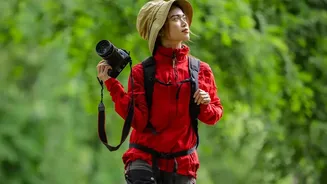
The single biggest draw for a monsoon safari is the landscape itself. Dry, dusty forests transform into emerald wonderlands, with misty mornings, dramatic skies, and overflowing streams and waterfalls. This verdant backdrop makes for stunning photography and a deeply immersive natural experience. It’s less about ticking off a checklist of big cats and more about soaking in the jungle's vibrant, renewed energy. With fewer vehicles and visitors, the sounds of the forest—from birdsong to the chirping of insects—are amplified, creating a tranquil environment that feels a world away from the bustling peak season.
Unique Wildlife Encounters
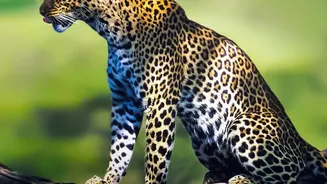
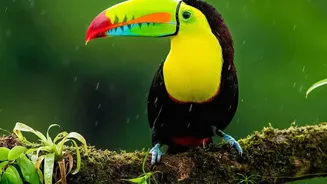
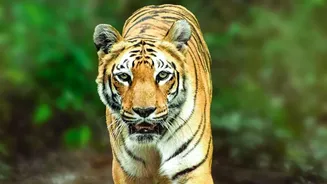
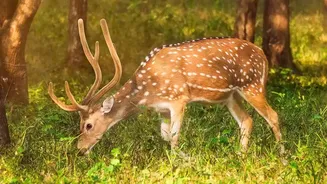
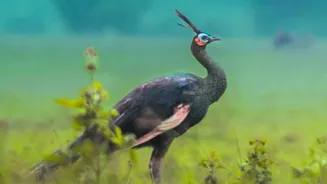
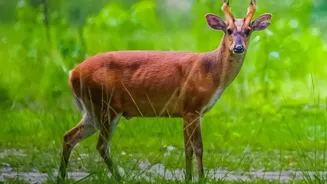
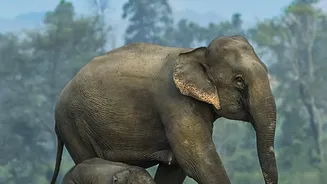
While the dense foliage can make spotting tigers a bit more challenging—though by no means impossible—the monsoon brings other creatures to the forefront. It's the prime season for herpetology enthusiasts, as reptiles and amphibians thrive in the wet conditions. Snakes, colourful frogs, and lizards become much more active. It’s also an exceptional time for birdwatching, with many species displaying vibrant breeding plumage. In the southern parks like Periyar and Kabini, large herds of elephants are frequently seen enjoying the abundance of water and fresh vegetation. Even for tiger seekers, parks like Tadoba in Maharashtra and Ranthambore in Rajasthan offer good sighting opportunities in their open buffer zones.
Top Destinations for an August Safari
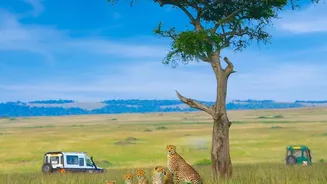
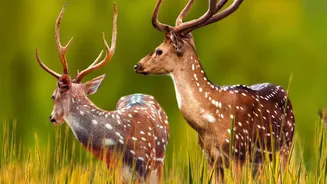
So, where should you go? In South India, Periyar National Park in Kerala and Kabini (Nagarhole) and Bandipur in Karnataka are excellent choices that remain largely open. They are famous for boat safaris and elephant sightings. In Central India, the buffer zones of Tadoba-Andhari Tiger Reserve are a favourite for tiger spotting. In the north, the Jhirna and Dhela zones of Jim Corbett National Park in Uttarakhand remain accessible, offering jeep safaris and even monsoon-specific activities like river rafting. For those seeking a different terrain, Dachigam in Jammu and Kashmir receives less rainfall and is perfect for spotting the rare Kashmir Stag (Hangul).
Essential Tips for Your Monsoon Trip
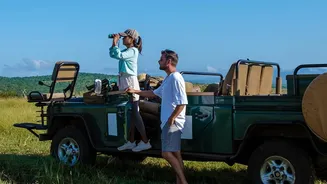
Travelling during the monsoon requires some preparation. Pack synthetic, quick-drying clothes and waterproof outerwear and footwear. A good insect repellent is crucial, as the rains bring out mosquitoes and other bugs. When booking, confirm which park zones are open and book your safaris in advance, as slots can be limited. On the road, be prepared for potential travel delays and always check the weather forecast, especially if you're heading to hilly regions prone to landslides. Finally, listen to your safari guide. Their expertise is key to both your safety and a rewarding wildlife experience in the magical, rain-soaked jungles of India.