






Trigger 1: Sky-High Humidity and Excess Oil
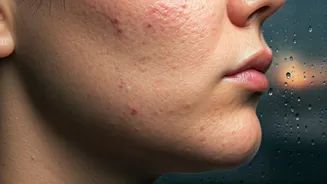
The most significant change during the monsoon is the spike in humidity. This excess moisture in the air signals your skin's sebaceous glands to go into overdrive, producing more oil (sebum). [2, 3, 12, 14] This extra sebum makes your skin feel greasy
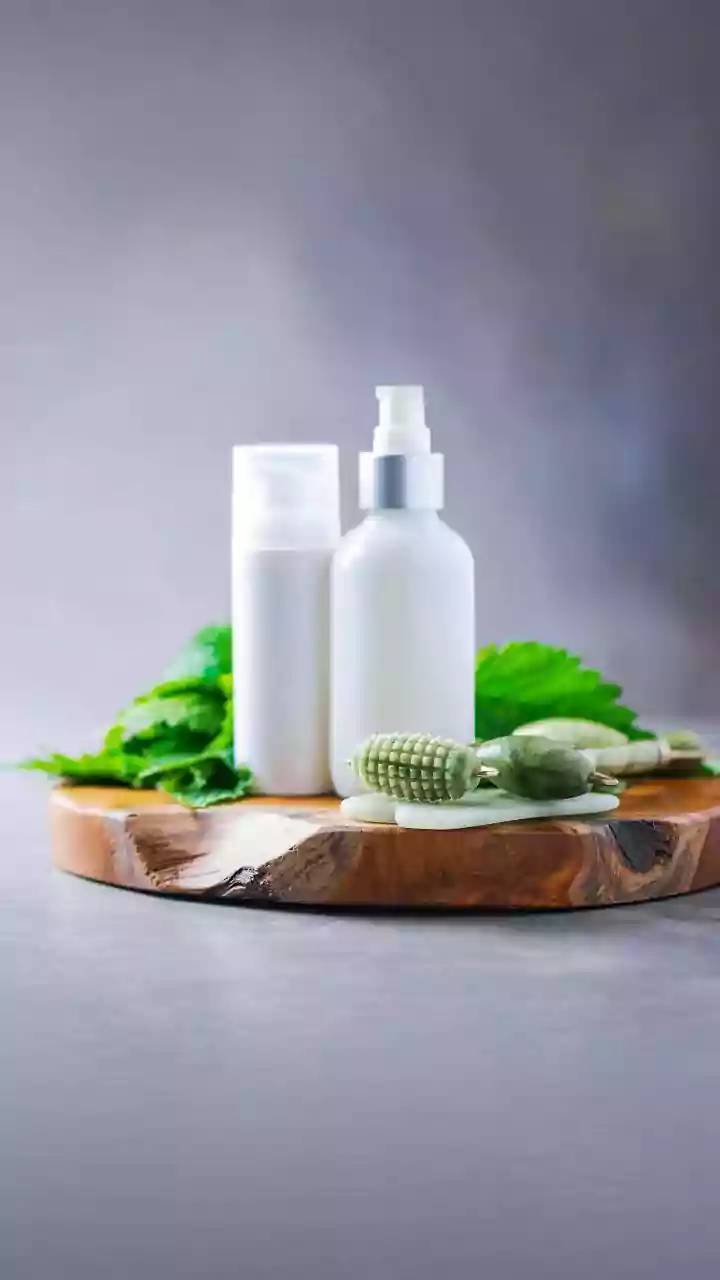
and creates a sticky surface where sweat, dirt, and dead skin cells get trapped. [2, 12] This combination is the perfect recipe for clogged pores, which leads to blackheads, whiteheads, and inflammatory acne. [3, 7] To manage this, switch to a lightweight, gel-based or water-based moisturiser. [9, 22] It might seem counterintuitive to moisturise oily skin, but skipping this step can cause your skin to produce even more oil to compensate. [8, 11] Also, cleansing twice a day with a gentle, non-comedogenic face wash helps remove this excess grime without stripping your skin. [9, 13]
Trigger 2: A Breeding Ground for Bacteria and Fungi
The warm, damp environment of the monsoon is an ideal breeding ground for various microorganisms, including bacteria and fungi that can cause skin issues. [13, 14] While bacterial acne (acne vulgaris) is common, the rainy season also sees a rise in fungal acne, medically known as Malassezia folliculitis. [5, 16] This occurs when yeast that naturally lives on our skin overgrows in the humid conditions, leading to small, uniform, and often itchy bumps, typically on the forehead, chest, and back. [16, 23, 24] Unlike bacterial acne, fungal acne won't respond to typical acne treatments and may even worsen with them. [5, 23] To keep these infections at bay, it's crucial to maintain good hygiene. Shower after sweating or getting drenched in the rain, change out of damp clothes quickly, and wear breathable cotton fabrics. [13, 22] Using antifungal powders in moisture-prone areas can also be a helpful preventive measure. [6, 8]
Trigger 3: Clogged Pores from Sweat and Grime
Between the increased sweating from the humidity and the environmental pollutants that get trapped on damp skin, your pores are under constant attack during the monsoon. [4, 12] Heavy, oil-based makeup and thick creams can further block pores, exacerbating the problem. [11, 13, 20] This is a good time to simplify your skincare and makeup routines. [22] Opt for non-comedogenic (pore-clogging) products for both skincare and makeup. [8, 11] Gentle exfoliation once or twice a week is also key to sloughing off dead skin cells and keeping pores clear. [6, 18] You can use a mild physical scrub or a chemical exfoliant containing salicylic acid, which is excellent for dissolving oil and deep-cleaning pores. [4, 7, 18] However, be careful not to over-exfoliate, as this can damage your skin's protective barrier and cause irritation. [6]
Trigger 4: Lifestyle and Dietary Habits
The rainy season often brings a craving for hot, oily, and fried foods. While comforting, these foods can exacerbate acne flare-ups. [14] Your diet plays a significant role in skin health, and what you eat can show up on your face. [11] Simple lifestyle habits also make a big difference. Frequently touching your face can transfer dirt and bacteria from your hands to your skin. [4, 11] Additionally, not changing your pillowcases and towels regularly can lead to a buildup of oils and bacteria that contribute to breakouts. [3, 11] Staying hydrated by drinking plenty of water helps flush out toxins and keeps your skin healthy from the inside out. [3, 8, 13]
Trigger 5: Skipping Sunscreen on Cloudy Days
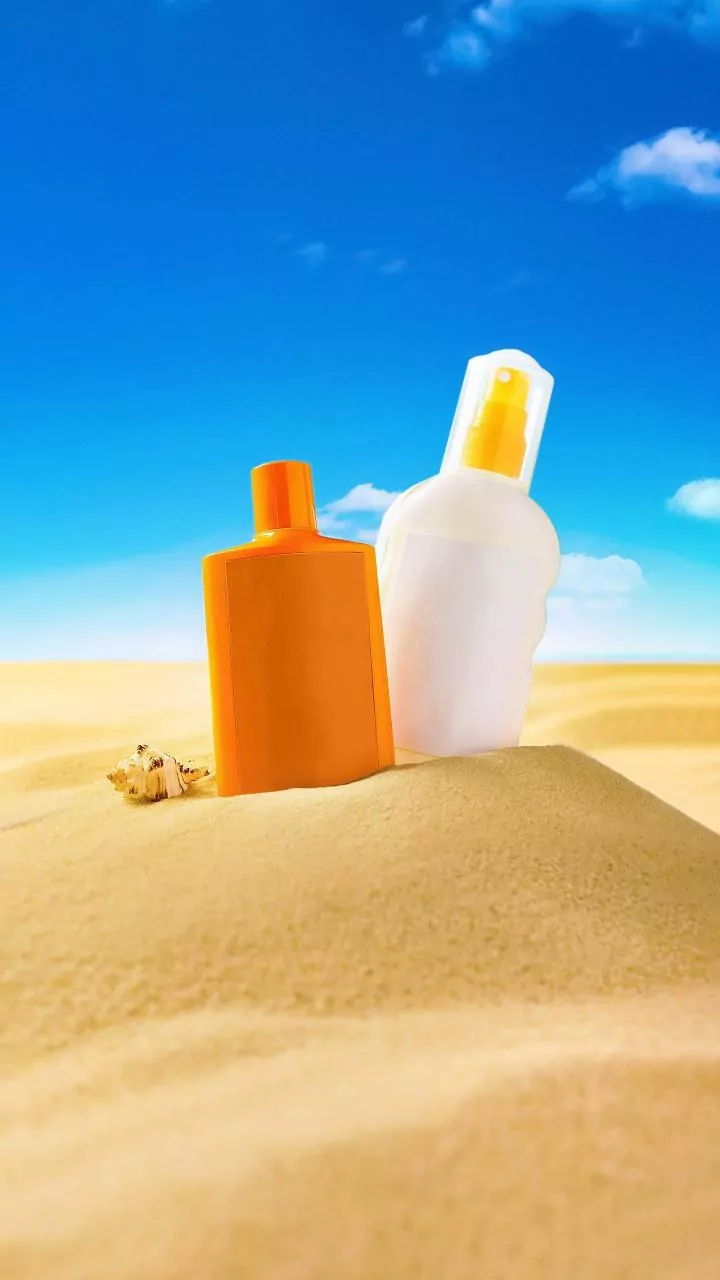
A common mistake during the monsoon is thinking that cloudy skies mean you can skip sunscreen. This is a myth. Harmful UVA and UVB rays can easily penetrate cloud cover and cause skin damage. [8, 10] Sun damage can weaken the skin's barrier, making it more susceptible to breakouts and other issues. Furthermore, some acne treatments, like those containing salicylic acid or retinoids, can make your skin more sensitive to the sun. [7] Always apply a broad-spectrum sunscreen with at least SPF 30, even when it's raining. [8, 13] For oily and acne-prone skin, a lightweight, non-comedogenic, or gel-based formula is the best choice to avoid clogging pores. [15, 22]