
In the modern Indian kitchen, trendy superfoods and timeless staples often compete for a spot on our plates. Two front-runners in this gentle rivalry are quinoa and lentils. But how do they really stack up against each other? Let's find out.
The Nutritional Showdown
Both lentils
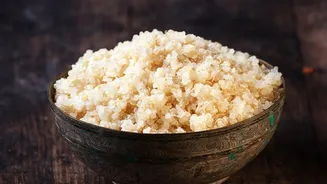
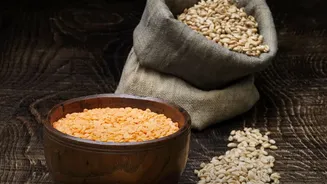
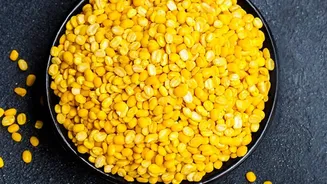
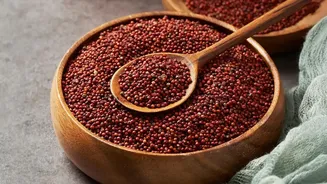
and quinoa are celebrated for their health benefits, but they shine in different areas. Quinoa’s biggest claim to fame is that it's a 'complete protein', meaning it contains all nine essential amino acids that our bodies cannot produce on their own. This is rare for a plant-based food. A cooked cup of quinoa provides about 8 grams of protein and 5 grams of fibre. Lentils, or dal, are the undisputed champions of protein and fibre quantity. A single cooked cup of lentils packs a massive 18 grams of protein and nearly 16 grams of fibre. This high fibre and protein content is key to feeling full and satisfied for longer. While quinoa is richer in certain minerals like magnesium and manganese, lentils offer significantly more folate, iron, and potassium.
The Protein Question: Quality vs Quantity
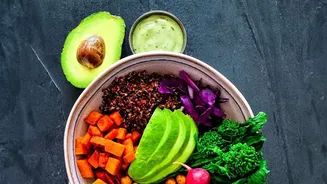
While lentils offer more than double the protein per serving compared to quinoa, it's technically an 'incomplete' protein, as it's slightly lower in certain amino acids like methionine. However, this is easily solved in a typical Indian diet. When lentils are paired with rice, roti, or even certain vegetables, the combination creates a complete protein profile. Quinoa, on the other hand, provides this complete profile all on its own, making it a convenient one-stop solution for plant-based protein. So, if your goal is maximum protein intake, lentils win on quantity. If you want a single food source for complete protein, quinoa has the edge.
Versatility in the Indian Kitchen
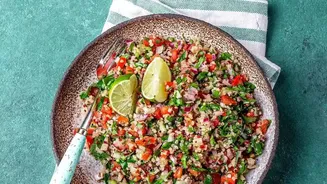
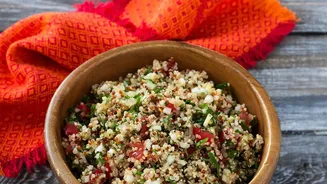
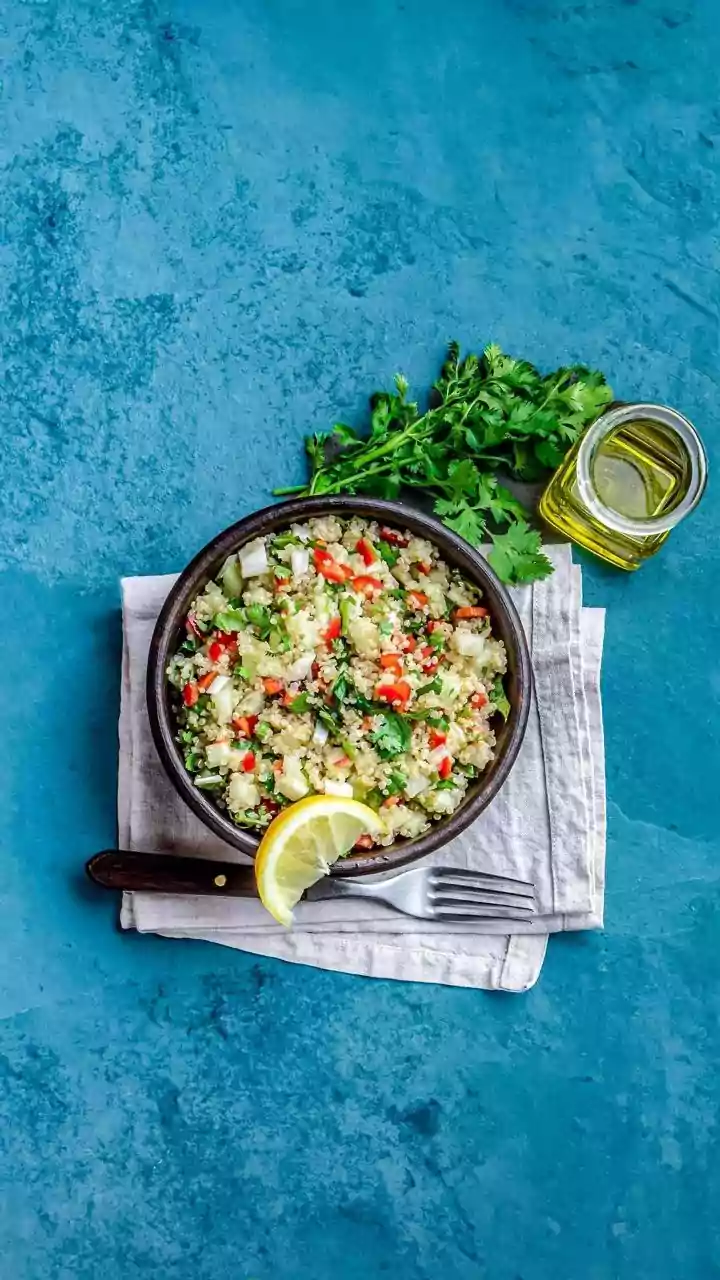
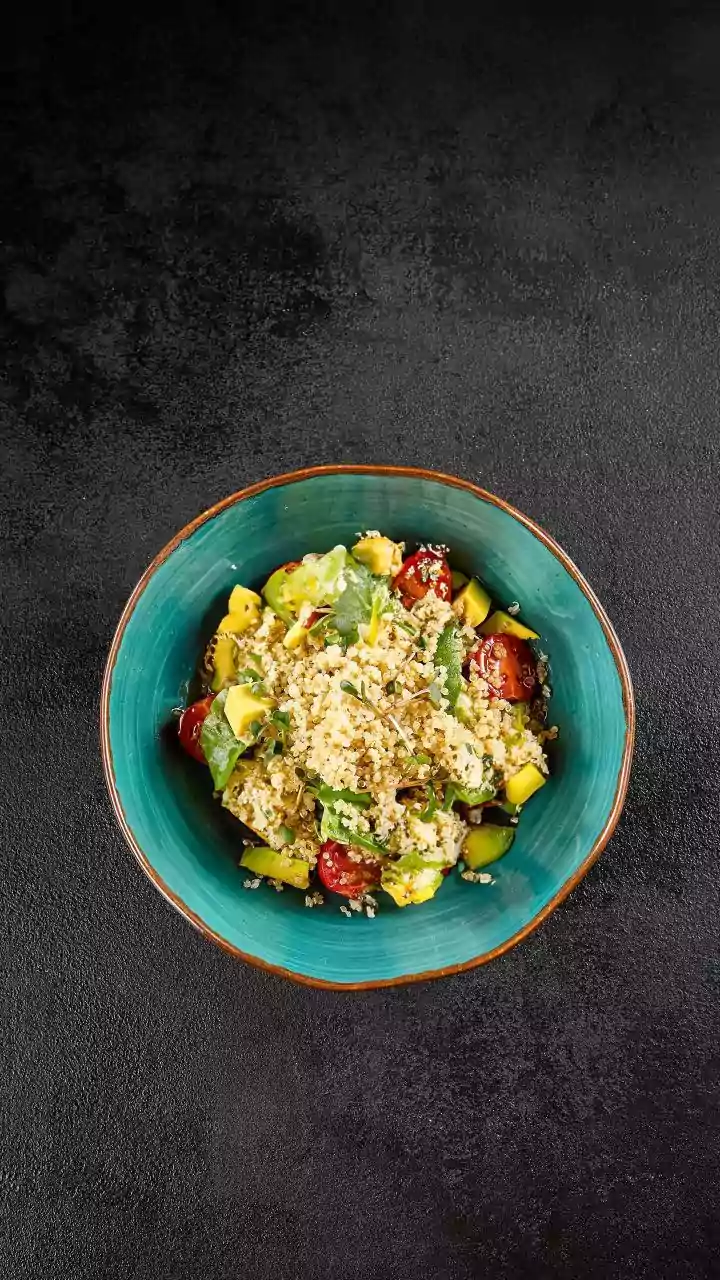
Here, tradition and adaptability come into play. Lentils are the heart and soul of countless Indian dishes, from the everyday dal tadka and comforting khichdi to rich sambar and hearty stews. Their ability to break down and create a creamy, thick base is fundamental to Indian home cooking. Quinoa is more of a modern substitute. Its light, fluffy texture and mild, nutty flavour allow it to absorb Indian spices beautifully, making it a great replacement for rice in dishes like pulao, lemon rice, or upma. It also works wonderfully in salads and patties. While you can make a 'quinoa khichdi', it will not have the same creamy, comforting texture as the traditional dal-based version.
The Deciding Factor: Cost and Accessibility
For most Indian households, this is where the comparison becomes very clear. Lentils are one of the most affordable and widely available sources of protein in the country. Depending on the type, such as masoor, toor, or moong, retail prices typically range from ₹70 to ₹120 per kilogram. Quinoa, often marketed as a premium health food, carries a significantly higher price tag. Even as local cultivation has increased, you can expect to pay anywhere from ₹200 to over ₹400 per kilogram for quinoa in retail markets. From a budget perspective, lentils provide incredible nutritional value for a fraction of the cost.