








Your Pocket AI Tour Guide
Andhra Pradesh recently announced a major step to become India's first AI-powered tourism state. The government has partnered with travel-tech company Explurger to deploy its NiVU AI platform at more than 100 tourist destinations. The plan is to roll
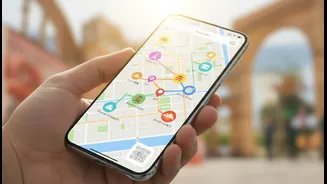
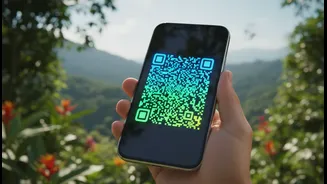
out the service in phases over three years, starting with 30 key sites. The system works by having visitors scan a QR code at a heritage site, temple, or beach. This opens a web-based conversational AI—no app download is needed—that can provide information about the location's history, culture, and significance through text or voice. It's essentially a virtual guide available on your smartphone, designed to make information instantly accessible.
The Gains: Breaking Down Barriers
For both domestic and international tourists, the most significant gain is the removal of the language barrier. The AI platform supports over 130 Indian and international languages, allowing visitors to learn about sites in their preferred tongue. This is a game-changer for international visitors who may not speak English or Telugu, and for domestic tourists from other states. The service is also free, removing the cost of hiring a human guide. According to officials, the goal is to make travel more convenient and interactive. Furthermore, the AI can suggest nearby attractions, helping travellers discover more of what the region has to offer and encouraging spontaneous exploration.
A Seamless and On-Demand Experience
Unlike human guides with fixed operating hours, the AI guide is available 24/7. This gives travellers ultimate flexibility with their schedules. A successful pilot at the temples in Mangalagiri reportedly received good feedback from devotees and authorities, who used the service to understand temple traditions. The state's tourism minister, Kandula Durgesh, noted he personally tested the platform in Telugu and found its responses to be accurate and respectful. The app-free approach, which relies only on a QR code and a smartphone, lowers the barrier to entry and avoids the hassle of installing yet another application on your phone.
The Reality Check: What Still Needs Scrutiny
While the initiative is ambitious, it's also brand new. The 'what still needs checking' part of the equation is crucial. A common issue with travel AI, as seen in other applications, is the risk of providing outdated or inaccurate information. An AI might recommend a restaurant that has since closed or get opening hours wrong. While officials have praised the AI's accuracy, its performance across more than 100 diverse sites remains to be seen. Travellers should still cross-reference critical details like timings and ticket prices. Over-reliance on AI can also turn a trip into a checklist rather than an experience, missing the serendipitous discoveries that come from speaking with local people.
Data, Privacy, and the Human Touch
There are also broader considerations. Officials have stated the platform will produce real-time visitor data, including language preferences and travel patterns, to help the Tourism Department with planning. While this data can improve services, transparency about how this user information is collected, stored, and used is essential. Visitors should be aware that their interactions are helping to build a dataset for the state. Moreover, an AI, no matter how advanced, cannot replace the human element of travel entirely. It cannot share a personal story, offer a recommendation based on a shared laugh, or provide the unique insights that a local guide or resident can. The best travel experiences often blend digital convenience with authentic human connection.