









Welcome to 'July Cost Mode'
There isn't a switch that flips on July 1st, but for India's vast and vibrant food industry—from the smallest street food stall to the largest restaurant chain—the month marks a critical tipping point. 'July Cost Mode' describes the tough operational
reality businesses are now facing. It’s a period defined by a perfect storm of rising prices for essential ingredients, soaring energy bills, and unpredictable weather patterns, forcing owners to make difficult decisions to stay afloat. After months of trying to absorb these escalating expenses, many are finding they have no choice but to adjust their operations, and that has a direct impact on consumers.
The Soaring Price of the Pantry
The primary pressure point is the dramatic surge in the cost of basic ingredients. In late June, vegetable prices, particularly for staples like tomatoes, onions, and potatoes, saw significant hikes. This is largely due to weather-related disruptions, such as intense heatwaves followed by erratic monsoon rains, which have damaged crops and reduced yields in key agricultural states. The cost of tomatoes alone has reportedly jumped over 20% in some markets compared to the previous month. Beyond vegetables, prices for other essentials like sugar, milk, and cooking oils are also firming up, creating a ripple effect across the entire food supply chain. The unpredictable monsoon, crucial for Indian agriculture, adds another layer of uncertainty, as a weak or delayed season can lead to supply shortages and further price spikes.
Fueling the Fire: Energy and Logistics
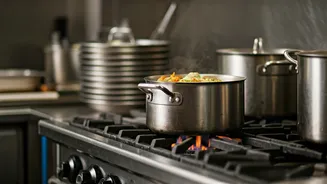
It’s not just ingredients. The cost of cooking itself is becoming a major burden. Sharp and sustained increases in the price of commercial LPG cylinders have squeezed already thin profit margins. For many restaurants, LPG can account for 8-15% of kitchen operating costs, so any hike has a significant impact. Some recent increases have been described by industry bodies as the largest in the country's history. This has been compounded by rising transport costs due to higher fuel prices, which adds a premium to every vegetable, grain, and spice delivered to the kitchen. For some operators, the challenge is not just the price of LPG but also its availability, leading to disruptions and even a reliance on the black market just to keep kitchens running.
How Businesses Are Responding
Faced with this multi-pronged cost assault, food businesses are deploying a range of survival strategies. The most obvious is increasing menu prices, with many operators indicating that hikes of 10-15% are becoming unavoidable. However, in a price-sensitive market, this is often a last resort. Before raising prices, many are quietly making other adjustments. This includes 'shrinkflation'—reducing portion sizes while keeping the price the same. Others are trimming their menus to remove dishes that are too costly or gas-intensive to prepare, or re-engineering recipes to use more affordable ingredients. Many establishments are also investing in alternative cooking methods like electric induction to reduce their dependence on volatile LPG prices.
What This Means For Your Next Meal
For the average consumer, this 'cost mode' will be felt in several ways. Expect to see higher bills at your favourite restaurants and cafes over the coming months. Takeaway and food delivery may also become more expensive as platforms and eateries pass on their increased operational costs. Pay close attention to portion sizes and menu descriptions, as they may change. While a recent small rollback in LPG prices offered some relief, most restaurateurs say it's not enough to reverse the trend, as the prices of other ingredients and transport remain high. This isn't just about luxury dining; the pressure is felt most acutely by smaller dhabas and eateries that are a dietary staple for millions but have less capacity to absorb rising costs.