




A New Era of Highway Travel
A quiet revolution is humming along India's highways. For decades, intercity bus travel has been a choice of necessity for many, often associated with noise, pollution, and unpredictable comfort. Today, a growing number of private companies are rewriting
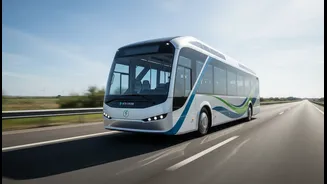
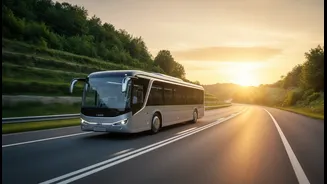
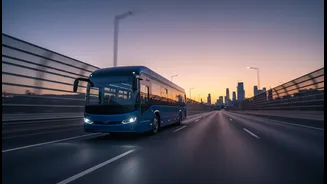
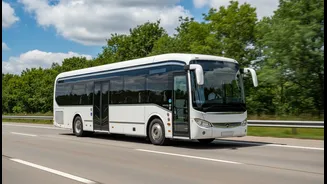
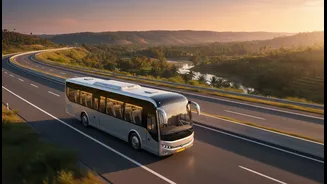
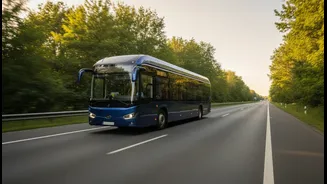
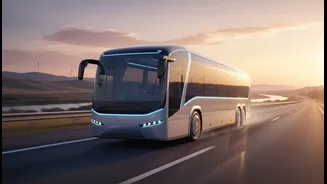
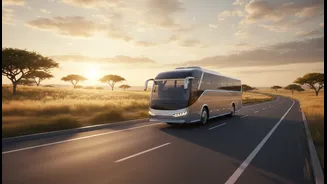
that narrative with premium electric buses. Startups and established players like NueGo, FreshBus, and zingbus are rapidly expanding their all-electric fleets, connecting major cities with a service that prioritizes comfort, safety, and sustainability. These operators are not just replacing diesel engines with batteries; they are redesigning the entire passenger experience from the ground up. NueGo, an arm of GreenCell Mobility, now connects over 120 cities, operating on key routes like Delhi-Lucknow, Bangalore-Mangalore, and Chennai-Salem. Similarly, FreshBus, which began operations in 2023, is scaling aggressively with the aim of becoming a major electric-only operator. Just this week, zingbus announced MoUs to deploy over 200 new premium and electric buses, focusing on routes in South and West India.
What Defines 'Premium' Electric Service?
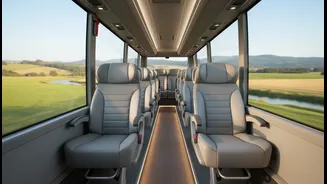
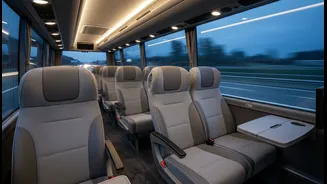
The new premium tag is about more than just being electric. The primary differentiator is the near-silent, vibration-free ride, which dramatically reduces travel fatigue. But the enhancements go much further. Passengers can expect reclining seats with ample legroom, individual charging ports, and complimentary Wi-Fi, turning travel time into productive time. Companies like FreshBus and LeafyBus highlight a hospitality-led approach, with trained staff, sanitized interiors, and even complimentary snacks on some routes. Safety is another cornerstone of this new model. These buses are equipped with advanced features like CCTV surveillance, GPS live tracking, and driver monitoring systems, including breath analyzers and drowsiness detection. This focus on a secure and predictable journey is attracting a wider demographic, including families and solo women travelers, who may have previously avoided overnight bus journeys.
The Forces Driving Electrification
Several factors are converging to make this the right moment for electric intercity buses. Government initiatives like the FAME (Faster Adoption and Manufacturing of Electric Vehicles) scheme and its successors have provided crucial support for the EV ecosystem, primarily for public transport but creating a ripple effect. While direct subsidies for private operators have been limited, the policy push has helped build momentum and encouraged manufacturing. Economically, the rising cost of diesel is making the total cost of ownership (TCO) for electric buses increasingly favorable for operators, despite their higher upfront price. As battery technology improves and costs decrease, this financial equation will only get better. Furthermore, there is a clear and growing consumer demand for better, more reliable, and environmentally friendly travel options. Private operators are tapping into this by offering a superior product that justifies a premium fare.
Challenges on the Road Ahead
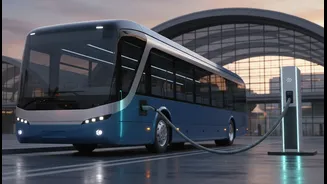
Despite the optimism, the path to mass adoption is not without obstacles. The single biggest challenge for intercity electric buses is the lack of a robust highway charging infrastructure. Currently, operators like NueGo and FreshBus have to build their own charging stations at depots and mid-point stops to ensure their routes are viable. This adds a significant layer of capital investment and logistical complexity. The high initial cost of an electric bus, which can be more than double that of a diesel equivalent, remains a major barrier, especially for smaller operators. While financing is becoming more available, it’s still a hurdle. Finally, operational challenges like battery degradation over time, actual on-road range versus claimed range, and ensuring grid capacity to support charging depots are all issues that operators must navigate as they scale their fleets.