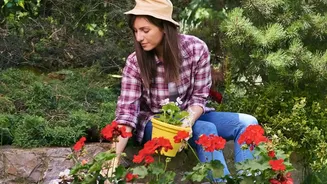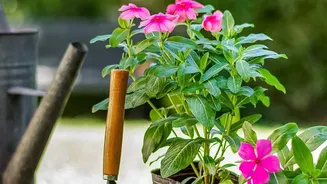








In our search for peace in a busy world, the answer might be in your own backyard. Gardening is more than a hobby; it is a powerful practice for mental clarity and well-being, offering rewards that go far deeper than the roots of your plants.
A Natural Stress Reducer
The simple
act of getting your hands dirty can have a profound effect on your stress levels. Research shows that spending time in green spaces can lower cortisol, the body’s primary stress hormone. The physical, repetitive tasks of gardening—like weeding, watering, and pruning—can be meditative, allowing your mind to quiet down and focus on the present moment. This gentle, grounding activity interrupts the cycle of negative thoughts and worry that often fuel anxiety. Some studies even suggest that direct contact with soil can trigger the release of serotonin, a natural mood-stabilising chemical in the brain, offering an immediate sense of calm and happiness.
Enhancing Focus and Presence
Gardening demands your full attention, making it a natural and effective mindfulness practice. Unlike scrolling through your phone, you cannot rush a seed to sprout or a flower to bloom. This forces you to slow down and engage your senses fully. You notice the texture of the soil, the scent of the flowers, the sound of birds, and the sight of new growth. This sensory engagement anchors you in the here and now, improving your concentration and attention span. For those who find it difficult to sit still for traditional meditation, gardening offers a form of 'meditation in movement', a productive way to achieve a state of focused calm.
Cultivating Patience and Acceptance
A garden is a powerful teacher of patience and letting go. In a world of instant gratification, gardening reminds us that growth happens on its own timeline. You cannot control the weather, fend off every pest, or guarantee that every plant will thrive. This process teaches a gentle form of acceptance and resilience. Rather than striving for perfection, you learn to work with nature's imperfections and celebrate the small victories. Watching a plant persevere through challenges can be a powerful metaphor for personal growth, helping to build a sense of purpose and achievement that counteracts feelings of helplessness.
Deepening Your Connection with Nature
Many people feel increasingly disconnected from the natural world. Gardening provides a simple, tangible way to re-establish that bond. This practice, sometimes referred to as ecotherapy or horticultural therapy, leverages our innate connection to nature to improve mental well-being. Tending to a garden, even a small one on a balcony, helps you tune into the rhythms of the seasons and appreciate the intricate web of life. This connection has been linked to reduced symptoms of anxiety and depression, greater life satisfaction, and an overall improved quality of life.
Boosting Self-Esteem and Physical Wellbeing
Successfully nurturing a plant from a tiny seed into a flourishing source of beauty or food provides a significant boost to selfesteem. It offers a tangible result of your care and effort, instilling a sense of pride and accomplishment. While the mental benefits are the main course, the gentle physical exercise involved in gardening is a wonderful side effect. Activities like digging, raking, and carrying water cans provide lighttomoderate exercise that releases endorphins, reduces anxiety, and improves overall physical health, which is intrinsically linked to a healthy mind.