

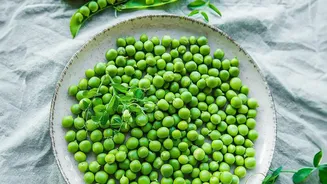
The All-Time Classic: Mint
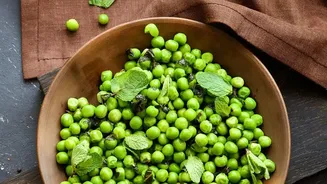
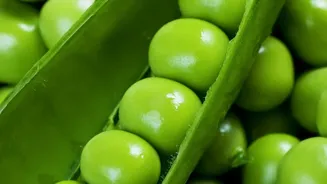
There's a reason peas and mint are a classic combination found in cuisines around the world, from British pea soup to Indian-inspired dishes. Mint has a bright, cool sweetness that perfectly complements the natural sugars in green peas, creating a flavour
that is both refreshing and sophisticated. For the best results, use fresh mint and add it towards the end of the cooking process to preserve its delicate, aromatic oils. A simple dish of buttered peas with freshly chopped mint is a perfect starting point. This pairing shines in soups, fresh salads, or simply mashed on toast for a quick, vibrant snack.
The Fresh and Light Brigade: Parsley, Chives, and Dill
When you want to add a clean, green flavour without overpowering the peas, turn to the family of soft, fresh herbs. Flat-leaf parsley offers a bright, slightly peppery note that makes everything taste fresher. Chives provide a mild, onion-like hint that adds a gentle savoury depth, perfect for finishing creamy pea dishes or garnishing a simple pea and ham soup. Dill, with its slightly anise-like character, is another excellent partner, particularly in salads, dressings, or dishes with a Scandinavian influence. A combination of these herbs, like mint and parsley, can create an even more layered and interesting flavour profile.
The Warm and Savory Partners: Thyme and Rosemary
For heartier preparations like stews, roasts, or savoury pies, more robust herbs are called for. Thyme and rosemary bring a warm, earthy, and pine-like aroma that stands up well to longer cooking times. Unlike delicate herbs, these woody-stemmed varieties can be added earlier in the cooking process, allowing their flavours to infuse the entire dish. Imagine a chicken and pea stew simmered with a sprig of thyme, or peas roasted alongside potatoes and a touch of rosemary. These herbs are particularly good with peas in dishes that also feature ingredients like garlic, onions, and root vegetables.
The Unexpected Twist: Tarragon and Basil
If you're looking to move beyond the most common pairings, consider tarragon or basil. Tarragon has a unique flavour reminiscent of sweet anise or licorice, which beautifully enhances the sweetness of peas. It works wonderfully in creamy sauces or alongside chicken and peas. Basil, often associated with tomatoes, also brings a sweet, slightly peppery and clove-like flavour that can be a delightful surprise with peas, especially in pesto or fresh summer salads. Thai basil, with its distinct anise notes, can also be used to push pea dishes in a Southeast Asian direction.
A Note on Fresh vs. Dried
While fresh herbs almost always provide a superior, brighter flavour, dried herbs have their place. The key is to know when and how to use them. Because the drying process concentrates their flavour, you should use about one-third the amount of dried herbs as you would fresh. Hardy dried herbs like thyme and rosemary work well when added early to slow-cooked dishes like soups and stews, as this gives them time to rehydrate and release their flavour. For delicate herbs like mint, parsley, and basil, fresh is strongly recommended, as their dried counterparts lose much of their vibrant character. Add these fresh herbs at the very end of cooking to maximize their impact.