








Become a Stall-Wort Observer
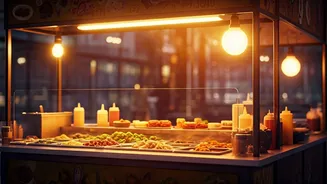
Your first line of defence is your power of observation. Before you even think about ordering, take a moment to assess the vendor's setup. A busy stall is your best friend. [2, 4] A long line, especially one with local families and office workers, indicates
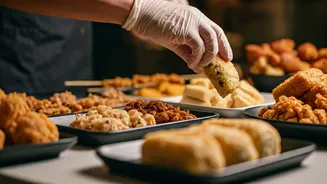
that the food is not only popular but also fresh due to high turnover. [3, 6] Look at the vendor’s general cleanliness. Is their cart tidy? Are they using clean-looking utensils and cutting boards? [2] A study on street vendors in Delhi highlighted that while many vendors have a great knowledge of hygiene, the actual practice can be lacking, so it's up to you to be vigilant. [13] If the vendor handles money and then food without washing their hands or using gloves, it's a clear red flag. [8, 16] Trust your instincts; if something feels off, walk away. [6]
The Golden Rule: Hot and Fresh
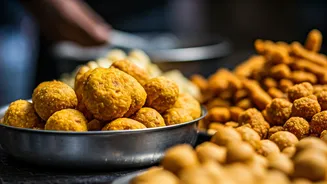
Heat is one of your greatest allies in the fight against foodborne bacteria. [4, 9] Opt for foods that are cooked to order, right in front of you. [6] Deep-fried snacks like samosas, pakoras, or vadas are generally a safer bet because the high temperature of the oil kills most harmful pathogens. [3, 7] Similarly, freshly made dishes like dosas, chole bhature, and piping hot chai are excellent choices. [4, 5] Be wary of items that have been pre-cooked and are sitting out, even if under a heat lamp. [6] Food left at room temperature, especially in India's humid climate, can become a breeding ground for bacteria. [10, 14] Don't be alarmed if a vendor re-fries an item before serving you; this reheating process helps ensure it's served hot and safe. [2]
Water, Ice, and Chutneys: The Hidden Risks
Often, it's not the main dish that causes trouble, but the accompaniments. Unfiltered tap water is a primary source of foodborne illnesses like E. coli and Salmonella. [10] This makes items like pani puri (golgappa), where the 'pani' is water-based, a significant risk unless you are certain the vendor uses bottled or filtered water. [5, 10] Always avoid ice in your drinks, as it's typically made from non-potable tap water. [2, 4] Raw chutneys and sauces that have been sitting out can also be problematic, as they are often made with tap water and can spoil in the heat. [2, 6] If you're having a juice, ensure it’s pressed from fresh fruit right before your eyes, and avoid any pre-cut fruits or salads which may have been washed in unsafe water. [3, 5]
Smart Eating Strategies
Even with the safest vendor, it's wise to ease your system into the street food experience. Don't overeat at the first stall you find. [3, 5] Start with one or two items to see how your stomach reacts. [9] Eating during peak hours, like lunchtime or evening snack time, is a good strategy as the food turnover is highest and everything is likely to be freshly prepared. [3] Consider starting with vegetarian options, as improper storage of meat can be a higher risk. [2, 10] And it sounds simple, but one of the most effective preventative measures is within your control: wash your hands thoroughly with soap and water or use a hand sanitiser before you eat. [2]
When Discomfort Strikes
Even with the best precautions, stomach issues can sometimes happen. If you start to feel unwell, the first step is to stop eating solid food and focus on hydration. [6] Drink plenty of sealed bottled water. Oral Rehydration Salts (ORS) are invaluable for replenishing lost fluids and electrolytes. [6] Natural coconut water is also an excellent choice. [6] Most cases of food poisoning are mild and resolve on their own within a day or two. [14] However, if you experience severe symptoms like persistent vomiting, high fever, or blood in your stool, it is crucial to seek medical attention immediately. [14]