





India's Human Spaceflight Ambition
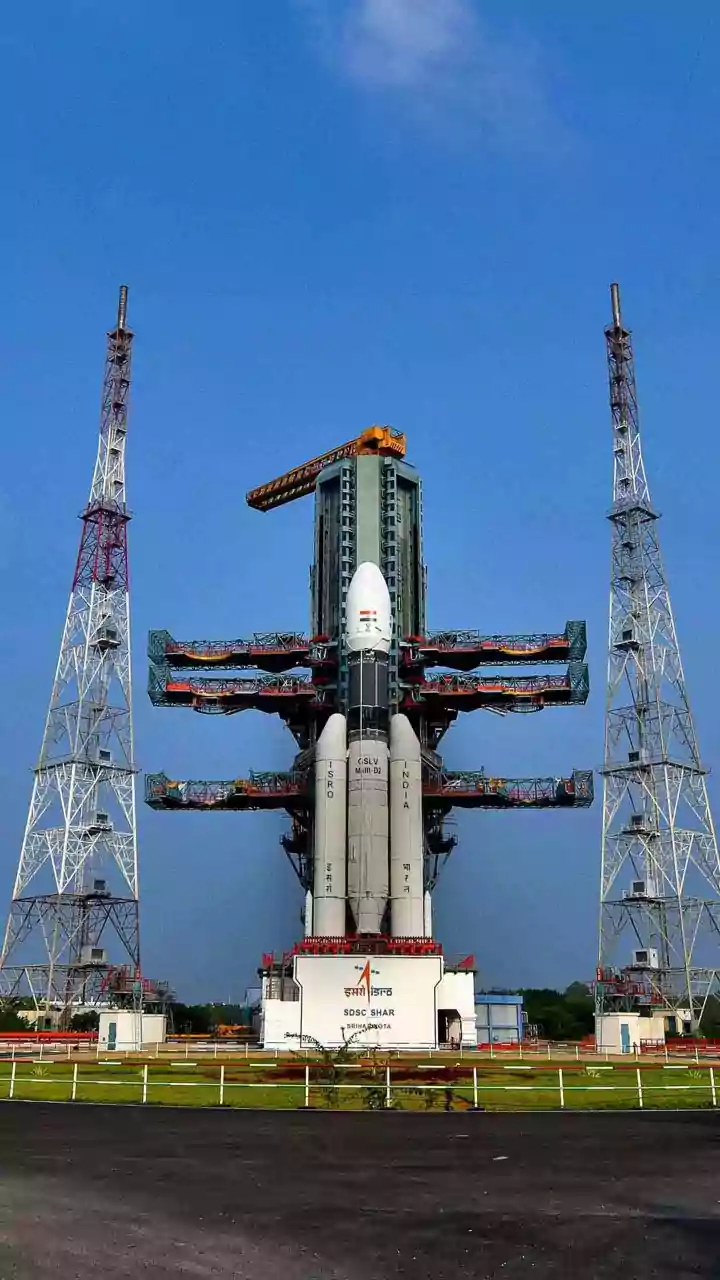
The Gaganyaan project is the Indian Space Research Organisation's (ISRO) ambitious endeavour to demonstrate human spaceflight capability. The primary objective is to launch a crew of three members into an orbit of 400 kilometres for a three-day mission
and bring them back safely to Earth by landing in Indian sea waters. [25] Success would make India the fourth country in the world, after the United States, Russia, and China, to have an independent capability for human spaceflight. [8] The mission relies on the Human Rated LVM3 (HLVM3) rocket, a modified version of ISRO's proven heavy-lift launcher, specifically re-configured to meet the stringent safety requirements for carrying a human crew. [25]
The Current Phase: Integrated Testing
After years of developing and testing individual components, ISRO is now in a crucial phase of integrated tests. This is where different systems are tested together to ensure they perform flawlessly in sequence, just as they would during an actual mission. This stage is vital for validating the safety and reliability of the entire mission architecture before uncrewed and, eventually, crewed flights take place. [25] Recent activities have focused heavily on the parachute-based deceleration system and the Crew Escape System (CES), two of the most critical elements for astronaut safety. [1, 5] According to reports, thousands of ground and structural tests have been completed to ensure readiness. [19]
Mastering the Landing: Parachute Airdrop Tests
Ensuring the Crew Module returns its occupants safely is paramount. A key part of this is the complex parachute system, designed to slow the capsule from high re-entry speeds to a gentle splashdown velocity. [5] ISRO has been conducting a series of Integrated Air Drop Tests (IADT), where a simulated Crew Module is dropped from a high altitude to test the entire parachute deployment sequence. [11] In a recent test, a module was lifted by an Indian Air Force Chinook helicopter and dropped, deploying a total of 10 parachutes of four different types in a precise sequence to decelerate safely. [2, 21] These tests validate everything from the small Apex Cover Separation parachutes to the large Drogue and Main parachutes that do the heavy lifting of slowing the capsule down. [4, 12]
Safety First: The Crew Escape System
What happens if something goes wrong during launch? The Crew Escape System (CES) is the astronauts' lifeboat. It's an emergency system designed to quickly pull the crew module away from the main rocket in the event of a catastrophic failure on the launch pad or during ascent. [13, 16] ISRO has successfully demonstrated the CES in a high-altitude abort test known as Test Vehicle Demonstration 1 (TV-D1). [1] In this test, a liquid-propelled test vehicle launched the crew module to a specific altitude and speed, after which an abort was intentionally triggered. The CES fired its quick-acting solid motors, pulling the module to a safe distance before it parachuted back down into the Bay of Bengal. [7, 9] This successful test was a major step in proving the system's reliability.
The Road Ahead to the First Crewed Flight
This rigorous testing phase paves the way for the next major milestones in the Gaganyaan program. The plan includes a series of uncrewed test missions before any astronaut flies. The first uncrewed flight, designated G1, is a critical step to validate all systems in a real space environment. [19, 22] This mission will carry Vyommitra, a humanoid robot developed by ISRO, to simulate human functions and monitor cabin parameters. [18] Following successful uncrewed flights, the first crewed Gaganyaan mission, H1, is targeted for 2027, which will carry three Indian astronauts, or 'Gaganyatris', into orbit. [19, 22] These methodical steps, focused on safety and redundancy, are bringing India's landmark space mission closer to becoming history.