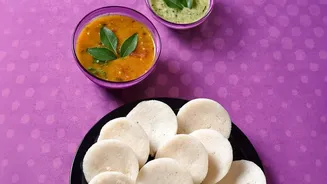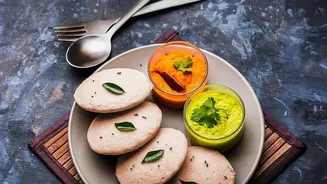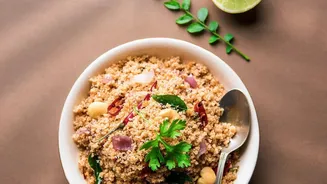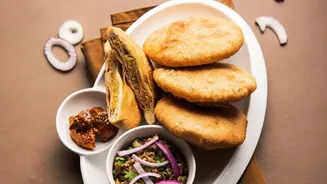



Walk into a chic Indian cafe today, and you might see something unexpected next to the avocado toast and cappuccinos: a comforting bowl of dal dhokli or a plate of fluffy bhaturu. This is no accident; it’s a delicious revolution.
A Return to Culinary Roots
For a long time, the modern
Indian cafe was modelled on a Western ideal, serving croissants, pasta, and sandwiches. The local cuisine was often seen as something for home or traditional restaurants. But a shift is underway. Chefs and cafe owners are now looking inward, finding inspiration in the vast, diverse tapestry of India's own culinary heritage. This is more than just nostalgia; it's a confident celebration of identity. Instead of translating Indian food for a globalised palate, there's a growing movement to present regional dishes in their own right, with pride. The message is clear: the food of our grandmothers is not just history, it deserves a place in the trendiest urban spaces.
Beyond the 'Pan-Indian' Menu
For decades, restaurant 'Indian food' often meant a standard selection of North Indian staples like butter chicken and naan. While beloved, this narrow representation overlooks the thousands of distinct food traditions across the country. Today's trend is about diving deep into hyper-regional cuisines. Menus are starting to tell a richer story, showcasing the unique flavours of states like Kerala, Bengal, Gujarat, and Nagaland. You might find Shengole from rural Maharashtra, a comforting one-pot meal, or Menthe Kadubu from Karnataka, a wholesome alternative to gnocchi. This move celebrates the fact that India has dozens of distinct cuisines, each shaped by its own climate, history, and local ingredients.
An Evolving and Curious Palate
This culinary shift is also being driven by diners. Customers, especially younger generations, are more adventurous and better travelled. They are actively seeking authentic, memorable experiences. After years of globalised menus, there is a growing appetite for food that feels genuine and tells a story. Comfort food is a powerful motivator, and for many, that comfort lies in the familiar tastes of home. The desire for authenticity has grown, with consumers becoming more interested in the origin and cultural context of their food. They are no longer content with generic curries; they want to taste the specific, unique dishes they grew up with or have heard stories about.
The Economics of Authenticity
There is also a strong business case for this trend. In a crowded cafe market, offering a unique regional dish provides a powerful point of differentiation. It helps a cafe stand out from competitors serving the same old fare. Furthermore, sourcing local and indigenous ingredients can be more sustainable and cost-effective than relying on imported goods like avocados or quinoa. Chefs are discovering that luxury isn't an imported truffle, but a specific heirloom grain from a small Indian farm. This focus on provenance and seasonality not only makes financial sense but also resonates with a growing number of conscious consumers who care about where their food comes from.
Modern Twists on Timeless Classics
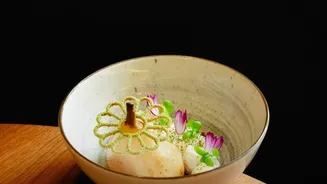
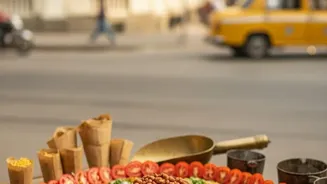
This trend isn't simply about placing old recipes on new menus. Many chefs are reinterpreting these dishes with modern techniques and presentation, making them suitable for a contemporary cafe setting. This could mean using a sous-vide technique to perfect a mutton curry or presenting a deconstructed chaat. The goal is not to create confusing fusion food, but to elevate traditional flavours without losing their soul. A Himachali bhaturu with mhaun ni dal can be presented as an artisanal bread-and-dip combo, or a Goan patholi as an elegant, naturally dairyfree dessert. This thoughtful balance of respect and innovation makes heritage recipes accessible and exciting for a new generation of diners.