



A Glimpse into a Storied Past
The Chettinad region of Tamil Nadu is home to thousands of palatial mansions built by the Nattukottai Chettiars, a wealthy mercantile community that flourished in the 19th and early 20th centuries. Their immense wealth, acquired through trade and finance
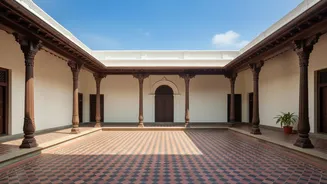
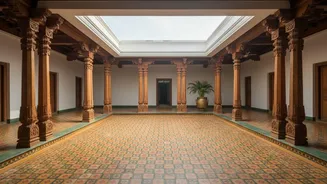
across Southeast Asia, was poured into constructing these opulent homes. These structures were more than just residences; they were bold statements of status, featuring a unique blend of Dravidian architectural principles with global materials and styles. It wasn’t uncommon to find cavernous courtyards, pillars made of Burmese teak, floors laid with Italian marble, and intricate steelwork from England, reflecting the community's extensive global connections.
From Grandeur to Neglect, and Back Again
For decades, many of these architectural marvels faced a period of decline. As families moved to larger cities and the cost of maintaining these colossal properties became prohibitive, thousands of mansions fell into disrepair, their ornate details fading under layers of dust and neglect. However, a recent surge in heritage consciousness, led by both descendants of the original families and passionate entrepreneurs, has sparked a powerful restoration movement. This revival isn't just about structural repair; it's about breathing new life into the very soul of the region by transforming these decaying palaces into heritage hotels and homestays.
Why History is the New Luxury
So why are modern travellers forgoing the predictable comfort of chain hotels for these ancestral homes? The answer lies in the growing demand for authentic, immersive experiences. A stay in a restored Chettinad mansion is not merely a transaction for a room; it’s an invitation to live within history. Unlike standardized hotels, these properties offer a profound sense of place. Guests are surrounded by the stories of the families who built them, often shared by hosts who are direct descendants. This personal connection to the past is a powerful draw for those seeking more than just a vacation.
The Full Chettinad Experience
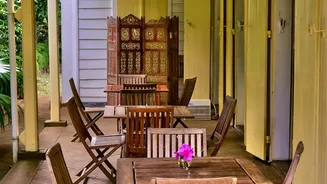
The experience extends far beyond the architecture. Waking up in a room with towering ceilings, walking through sun-drenched courtyards lined with colourful, handmade Athangudi tiles, and admiring the intricate woodwork on every door is a journey back in time. A crucial part of the immersion is the celebrated Chettinad cuisine, known for its complex spices and aromatic dishes. Guests often enjoy elaborate, home-cooked meals served traditionally on banana leaves, a culinary experience that chain hotels can rarely replicate. Many heritage stays also offer curated activities like cooking classes, village walks, and tours of local artisan workshops, completing the cultural deep-dive.
A Sustainable Future for Heritage
This tourism trend offers a sustainable economic model for preservation. The revenue generated from guests provides the financial incentive needed to undertake the meticulous and costly work of restoration, which often requires specialised artisans who understand traditional techniques. By turning these mansions into viable businesses, the restoration movement ensures their survival for future generations. It creates local employment, boosts the regional economy, and champions a form of tourism that is deeply rooted in celebrating and sustaining local culture rather than replacing it.