





More Than Just a Sweet Celebration
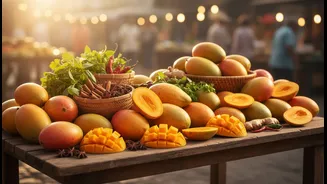
Mango festivals, held across India from Delhi to Lucknow and Bangalore, are far more than just a chance to indulge in the king of fruits. At their core, they are a vibrant intersection of culture, agriculture, and commerce. These events, often organised
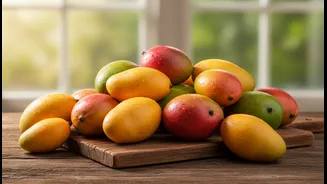
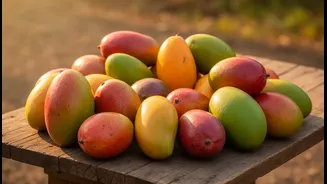
by tourism and horticulture departments, serve a multi-faceted purpose. They are designed to showcase India's incredible biodiversity, with hundreds of mango varieties on display, many of which never reach mainstream markets. For generations, the mango has been a symbol of love, prosperity, and tradition in India, and these festivals are a modern extension of that deep-rooted cultural reverence, bringing communities together to celebrate the seasonal bounty.
A Guide for the Avid Food Lover
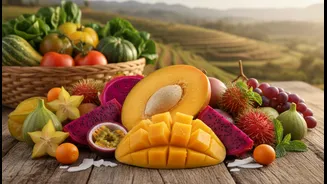
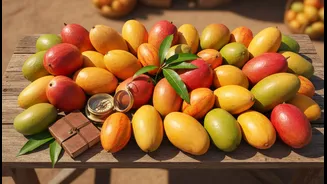
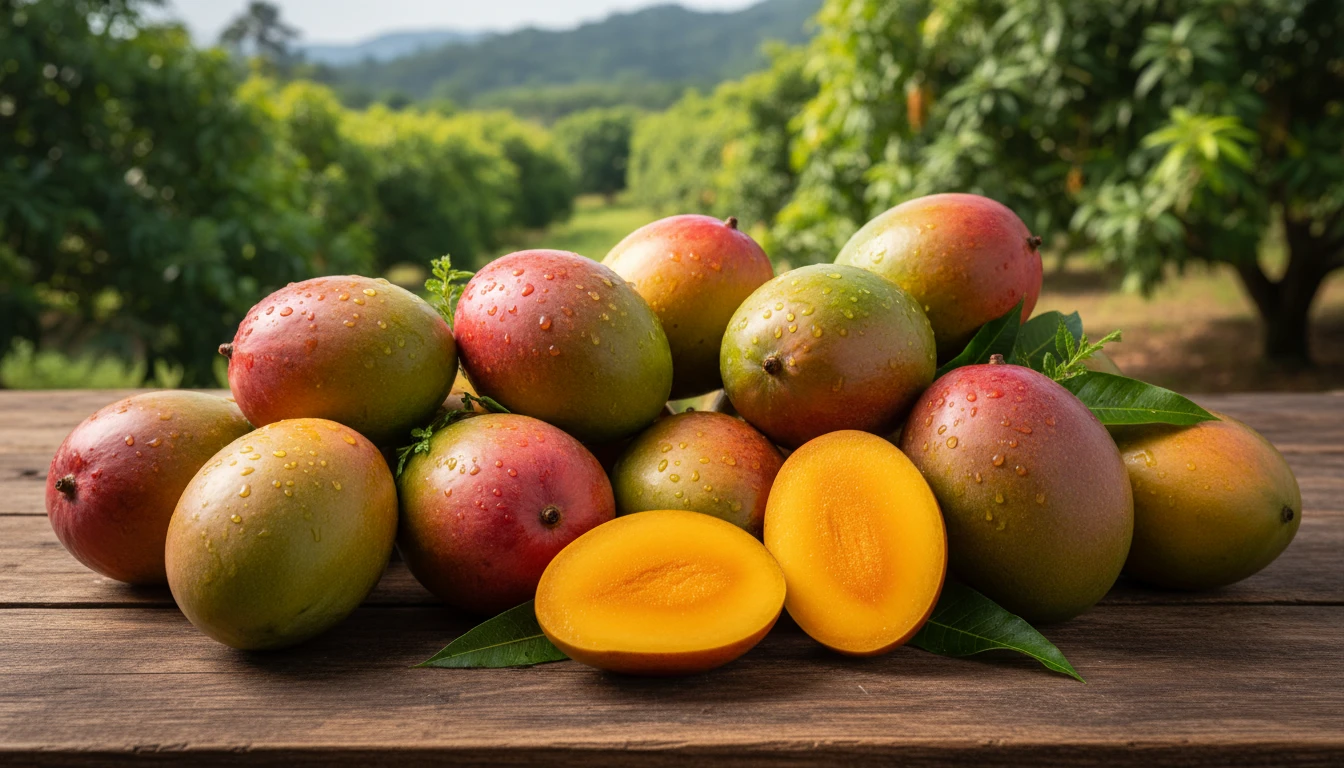
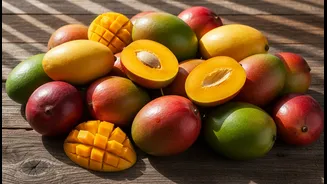
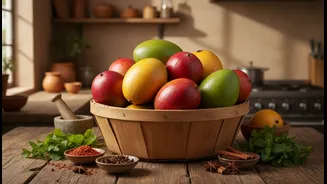
For the food enthusiast, a mango festival is a sensory paradise. It’s an unparalleled opportunity to taste an astonishing range of varieties, from the famed Alphonso and Kesar to lesser-known regional gems like Dasheri and Banganapalli. Many festivals offer free tastings, cooking demonstrations by renowned chefs, and a dazzling array of mango-based products like pickles, juices, chutneys, and desserts. However, the discerning food lover should look beyond the obvious. This is a chance to learn directly from the growers about a mango's terroir, its unique flavour profile, and the best time to eat it. It's an education in appreciating the subtle notes that distinguish a Langra from a Chausa, moving beyond just sweetness to understand the full spectrum of flavours the fruit offers.
The High Stakes for Farmers
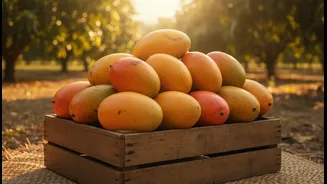
While visitors see a festival, farmers see a crucial business opportunity. These events act as a vital platform for growers to connect directly with consumers, bypassing intermediaries and potentially securing better prices for their produce. One of the primary aims of many festivals is to boost farmer incomes and visibility. It allows them to showcase new or hybrid varieties, gain feedback, and build a brand for their orchard. For small-scale farmers, a successful festival can mean the difference between a profitable season and a struggle. These events also serve to promote mango exports and encourage growers to adopt improved cultivation techniques, ultimately strengthening the entire agricultural sector.
The Traveller's Cultural Itinerary
For travellers, both domestic and international, mango festivals are evolving into a cornerstone of agritourism. Visiting a festival is not just about the fruit; it’s about experiencing a region's culture. Many events feature local folk music, dance performances, and artisan crafts, offering a rich, immersive experience. This trend is inspiring 'mango tourism', where travellers visit orchards for tours, stay at farm homestays, and participate in the harvest. For a traveller, the key is to engage respectfully, support local artisans and growers, and understand that they are participating in an event that is a lifeline for the local economy. It’s a chance to see a different side of India, one rooted in its rich agricultural heritage.
A Reality Check Before You Go
Before drawing simple conclusions, it's important to understand the complexities. Some critics note that the very best-quality mangoes are often earmarked for export and that what's on display at festivals might not always be what's available for mass purchase. Large, popular festivals can sometimes become chaotic, with crowd management challenges that can detract from the experience. Furthermore, as these events grow, there's the risk of over-commercialization, where the focus shifts from celebrating agricultural heritage to pure commerce. The real value lies in the connection between grower and consumer, a link that festivals are uniquely positioned to forge. The most rewarding experience comes from seeing the festival not just as a fair, but as a dynamic marketplace of food, culture, and livelihood.