



Before You Go: Plan for Uncertainty
Flexibility is your greatest asset during monsoon travel. With weather conditions changing rapidly, it's wise to build buffer days into your itinerary. Heavy rains can cause significant travel delays, from slowed trains to closed roads. Before booking
and right before leaving, check the latest weather forecasts from the India Meteorological Department (IMD). Alerts for heavy rain have been issued for regions including Kerala, Uttarakhand, Assam, and Meghalaya. Opt for accommodations and transport with flexible cancellation or rescheduling policies. Informing your hotel about potential delays is also a good practice. Choosing destinations closer to home or those with a mix of indoor and outdoor attractions can also save your trip from being a washout.
Pack Smart: The Right Gear is Half the Battle
Your packing list for a monsoon trip looks different from any other. Prioritise synthetic, quick-drying clothes over cotton and jeans, which absorb water and take ages to dry in high humidity. A lightweight, waterproof rain jacket or poncho is non-negotiable. While an umbrella is useful, it can be unreliable in strong winds. Footwear is critical; opt for waterproof sandals or floaters with a good grip for slippery surfaces. Avoid leather or canvas shoes. Always pack at least one extra set of clothes and a quick-dry towel. A waterproof backpack or a durable rain cover for your existing bag is crucial to protect your belongings.
Protect Your Tech: Keep Gadgets Dry
Water and electronics are a disastrous combination. Your first line of defence is a waterproof pouch or a quality dry bag for your phone, passport, and wallet. For added security, use resealable plastic bags as a cheap but effective backup layer for chargers, power banks, and other small electronics. When packing, line your main backpack with a large garbage bag before putting your items inside. Some travellers also use small silica gel packets inside their bags to absorb ambient moisture and prevent that musty smell from developing in damp clothes and electronics.
On the Road: Navigating Wet Conditions
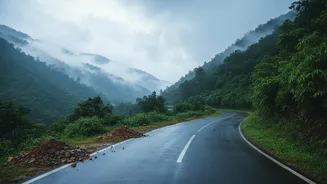
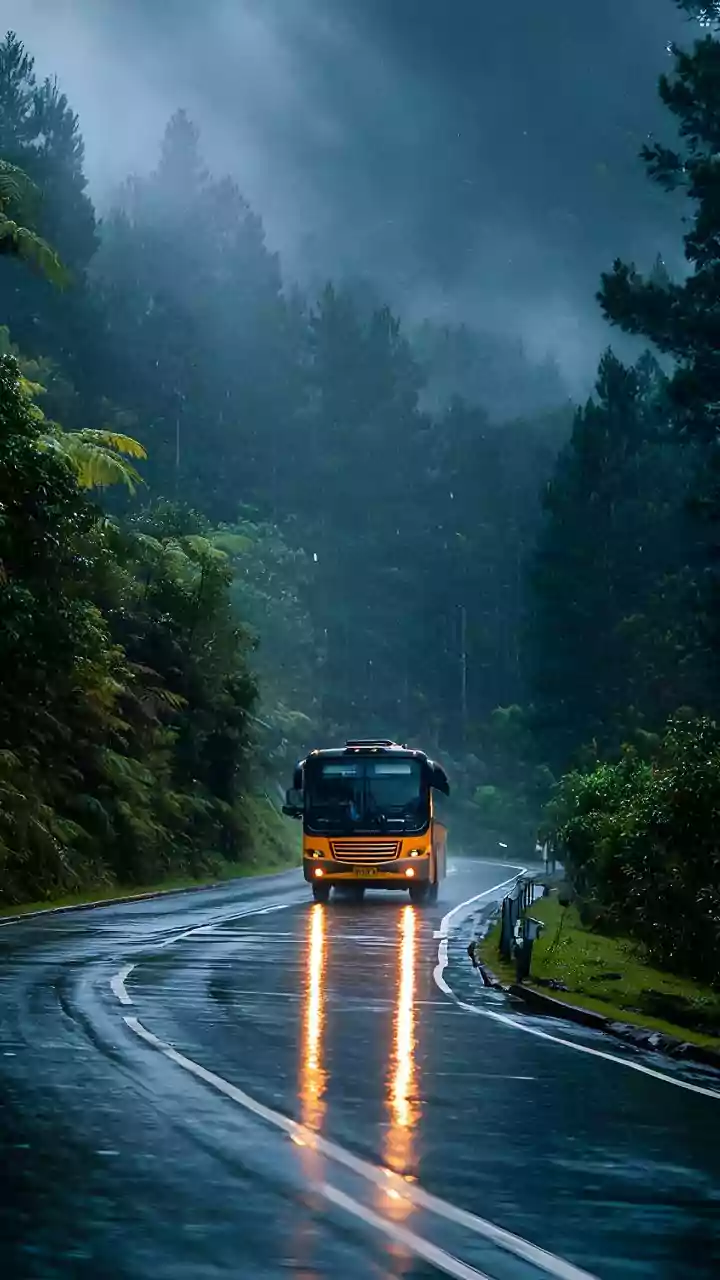
If you are driving, safety must be paramount. Reduce your speed significantly on wet roads and double the usual following distance from the vehicle in front of you. Always use your low-beam headlights, even during the day, as high beams can reflect off raindrops and reduce visibility for you and oncoming traffic. Before your trip, ensure your car's tyres, wipers, and brakes are in excellent condition. Be extremely cautious of waterlogged roads. If you can't gauge the depth, it's safer to find an alternative route. If your car stalls in water, do not try to restart the engine, as this can cause severe damage.
Stay Healthy: Food, Water, and Mosquitoes
The risk of water-borne diseases increases during the monsoon. Stick to bottled or purified water and avoid drinking from unreliable sources. Be cautious with street food, especially items that may have been washed with or exposed to contaminated water. The rainy season also brings an increase in mosquitoes, which can carry diseases like dengue and malaria. Carry a strong insect repellent, particularly for travel in coastal and rural areas. A basic first-aid kit with essentials for cuts, stomach upsets, and allergies is always a wise addition to your travel bag.