



Embracing the Monsoon Magic
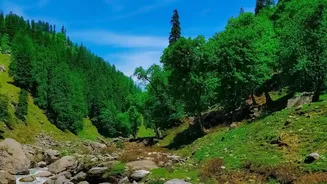
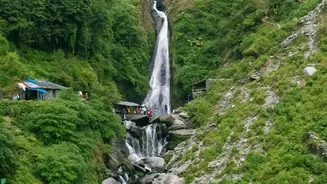
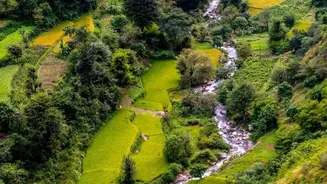
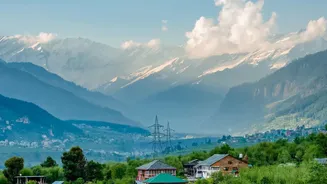
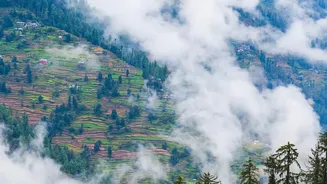
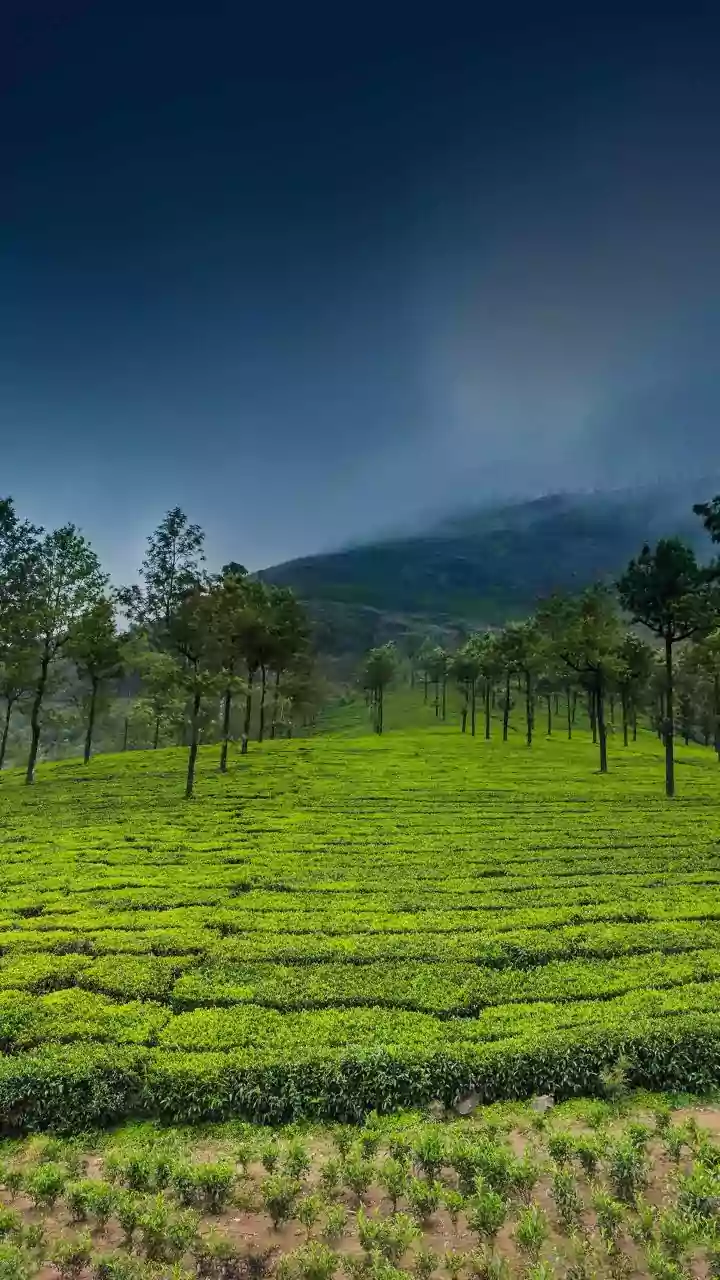
While many travellers shy away from the mountains during the rains, the monsoon season (July to September) unveils a unique charm in Himachal Pradesh. The landscape transforms into an emerald paradise, waterfalls cascade with renewed vigour, and a mystical
mist blankets the forests. It's a time of fewer crowds and tranquil beauty, ideal for those who want to experience the hills in their rawest, most refreshing form. Tirthan Valley and its quieter neighbour, Shoja, are prime examples of destinations that come alive during this season, offering a peaceful sanctuary away from the usual tourist rush.
Tirthan Valley: A Riverside Haven
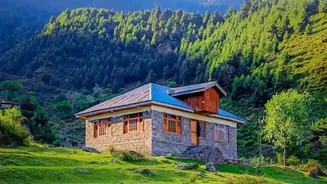
Named after the pristine Tirthan River that flows through it, this valley is a designated eco-zone and the gateway to the Great Himalayan National Park (GHNP), a UNESCO World Heritage Site. Unlike the commercialised buzz of Manali or Shimla, Tirthan is about slow travel. Life here revolves around the river, charming villages with traditional Kathkuni architecture, and lush orchards. During the monsoon, the valley is exceptionally green, and the sound of the gushing river is a constant, soothing companion. Activities like trout fishing, exploring nearby hamlets like Gushaini and Nagini, and taking short walks through dense forests are perfect for the season. The famous Chhoie Waterfall, reached via a short trek, is particularly spectacular after the rains.
Shoja: The Quiet Hamlet in the Clouds
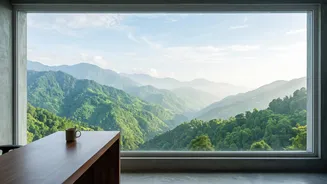
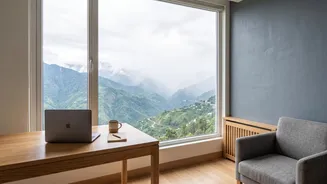
A short, steep drive from the main Tirthan Valley road lies Shoja, a small village that feels like a step back in time. At a higher altitude, it offers breathtaking panoramic views of the surrounding peaks, often draped in mist during the monsoon. Shoja is even quieter than Tirthan, making it the ultimate retreat for solitude seekers. The main activity here is simply being amidst the dense deodar and oak forests, taking leisurely walks, and soaking in the profound silence. It's a place to read a book by the window of a cosy wooden homestay, watch the clouds drift by, and truly disconnect. For those feeling adventurous, the walk to the local waterfall point is a refreshing experience.
Navigating Treks and Passes in Monsoon
Jalori Pass, located at an altitude of over 10,000 feet, connects the Tirthan region with the Sutlej valley and is a major attraction near Shoja. From the pass, popular day treks lead to Serolsar Lake and Raghupur Fort. However, monsoon travel to these higher altitudes requires caution. The roads and trails become slippery, and the risk of landslides increases. The drive to Jalori Pass can be challenging, and the pass itself may even be temporarily closed after heavy rainfall. It is crucial to check local weather and road conditions before planning any excursions to the pass or beyond. Treat these high-altitude treks as a potential bonus, not a guaranteed part of your monsoon itinerary.
How to Reach and Where to Stay
The most common way to reach Tirthan Valley from cities like Delhi (approx. 500 km) is by road. One can drive or take an overnight Volvo bus to Aut on the Chandigarh-Manali highway. From Aut, Tirthan Valley is about an hour's drive, and you can hire local taxis or take a bus to reach villages like Banjar, Gushaini, or Jibhi. Shoja is a further drive up from the main valley road. The nearest airport is in Bhuntar (Kullu), about 50 km away. Accommodation is plentiful, ranging from rustic homestays that offer an authentic cultural experience to comfortable guesthouses and riverside camps. Booking in advance, especially for weekend travel, is recommended.
Essential Monsoon Travel Tips
Travelling to the Himalayas in monsoon requires some preparation. Pack waterproof jackets, quick-drying clothes, and sturdy trekking shoes with good grip. A waterproof bag or cover for your electronics is a must. Leeches can be common on forest trails, so carry salt or a sanitizer. Most importantly, keep your itinerary flexible. Roads can be blocked due to landslides, so it's wise to have buffer days in your plan. Always rely on local advice regarding road and trail conditions before setting out for the day. While networks can be patchy, BSNL and Airtel generally offer better connectivity in these parts.