





Carrots are orange, and spinach is green. This simple fact is the key to understanding their unique nutritional superpowers. We explore what their colours tell us about the powerful pigments within and which vegetable wins in a nutritional face-off.
The Science of Colourful Food
The
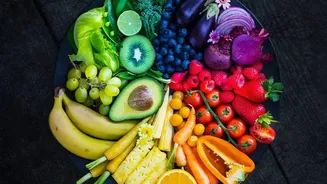
vibrant hues of fruits and vegetables are more than just eye candy; they are indicators of powerful plant compounds called pigments. These pigments, such as carotenoids and chlorophyll, not only determine a plant's colour but also offer a wealth of health benefits when we eat them. Carotenoids are responsible for the yellow, orange, and red colours in many plants, while chlorophyll provides the distinct green colour. Both carrots and spinach are loaded with these beneficial pigments, but the types and concentrations differ, leading to their distinct nutritional profiles and health advantages.
Carrots: The Beta-Carotene Champion
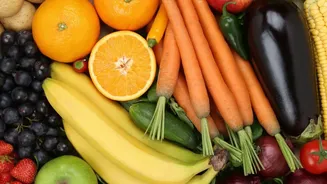
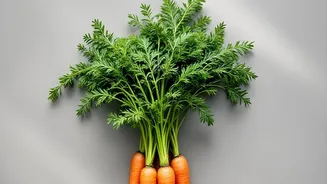
The brilliant orange of a carrot comes from a high concentration of beta-carotene, a famous member of the carotenoid family. In fact, the name 'carotene' is derived from the Latin word for carrot. Our bodies cleverly convert beta-carotene into vitamin A, a nutrient essential for healthy vision, immune function, cell growth, and skin health. This makes carrots one of the best dietary sources of provitamin A. While carrots also contain other carotenoids like alpha-carotene and lutein, it's the sheer amount of beta-carotene that defines their primary nutritional contribution. Historically, carrots weren't always orange; early cultivated varieties were purple and yellow. The popular orange carrot is a result of selective breeding by Dutch farmers a few centuries ago, which successfully increased the beta-carotene content.
Spinach: Green on the Outside, Gold Within
Spinach's deep green colour is due to chlorophyll, the pigment essential for photosynthesis, which allows plants to convert sunlight into energy. Chlorophyll itself is an antioxidant and is associated with several health benefits. But the green is hiding a secret. Spinach is also packed with carotenoids, particularly lutein and zeaxanthin. These yellow pigments are simply masked by the overwhelming amount of green chlorophyll. Lutein and zeaxanthin are renowned for their role in eye health. They accumulate in the retina, specifically the macula, where they act like internal sunglasses, filtering harmful blue light and protecting against oxidative damage that can lead to age-related macular degeneration (AMD) and cataracts. So, while spinach is famously green, it's also a leading source of these crucial yellow eye-protective pigments.
Nutritional Showdown: Which Is Better?
When compared gram for gram, both vegetables are nutritional powerhouses, but they excel in different areas. Carrots are the undisputed winner for vitamin A content, thanks to their high levels of beta-carotene. Spinach, however, takes the lead in a wider range of nutrients. It contains significantly more vitamin K, iron, calcium, folate, and vitamin C than carrots. While both vegetables contain beta-carotene, carrots offer a more bioavailable form that the body converts to vitamin A more easily. On the other hand, spinach contains substantially more lutein and zeaxanthin, making it a superior choice specifically for protecting against macular degeneration. Spinach is also a better source of minerals like potassium and magnesium. Therefore, the 'better' vegetable truly depends on the specific nutritional goal.
Maximising the Benefits on Your Plate
How you prepare these vegetables can significantly impact how well your body absorbs their valuable pigments. Carotenoids, including beta-carotene, lutein, and zeaxanthin, are fat‐soluble. This means you'll absorb them much more effectively if you eat carrots and spinach with a source of healthy fat, like a drizzle of olive oil, a handful of nuts, or slices of avocado. Cooking also plays a key role. Lightly cooking carrots and spinach helps to break down their tough cell walls, making the carotenoids more available for absorption. For instance, research shows that cooked spinach provides more absorbable lutein than raw spinach. However, be careful not to overcook them, especially spinach, as prolonged heat can degrade some nutrients like vitamin C and chlorophyll. A light steam or stir‐fry is often the best method to preserve overall nutritional value.