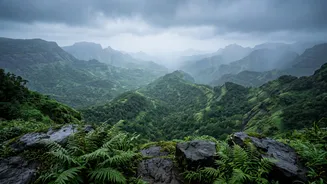






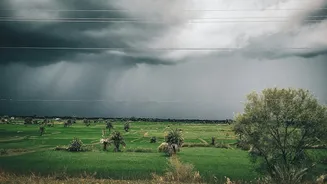
The dream of a monsoon getaway to a lush South Indian hill station is often a race against the weather. One moment you are planning a scenic drive, the next, a single heavy rain alert on your phone signals travel chaos and serious safety risks.
From Forecast to Fact
The process
begins with the India Meteorological Department (IMD), which issues colour-coded warnings for expected rainfall. A 'Yellow' alert advises residents to stay updated, an 'Orange' alert signals readiness for heavy to very heavy rain, and a 'Red' alert warns of extremely heavy rainfall requiring immediate action. These alerts are not just weather trivia; they are official triggers for a chain of command. For the hill districts of Kerala, Tamil Nadu, and Karnataka, which host popular destinations like Munnar, Ooty, and Kodaikanal, an Orange or Red alert sets district authorities and disaster management teams on high alert. This is especially critical during the monsoon transition periods, like October, when retreating southwest and incoming northeast monsoons can collide, causing intense, localised downpours.
The Closing of the Ghats
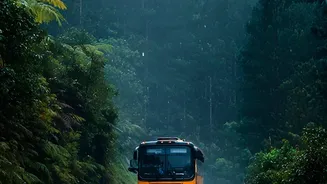
The primary arteries to these hill stations are winding ghat roads, which are scenic but notoriously vulnerable. Upon receiving an alert for extremely heavy rain, district administrations are mandated to take precautionary measures. This often includes the pre-emptive closure of roads known for being prone to landslides, such as the Burliar stretch on the Coonoor-Mettupalayam route to Ooty or various roads in the high ranges of Idukki and Wayanad in Kerala. Authorities may also impose night travel bans in hilly regions, typically between 7 p.m. and 7 a.m., to prevent vehicles from being caught in landslides or flash floods in the dark, when visibility is poor and rescue operations are difficult. For tourists, this can mean being turned back at a checkpost hours away from their destination or finding themselves unable to leave their resort.
A Ripple Effect on Tourism
The impact of these closures extends far beyond the inconvenience of a cancelled trip. The economies of hill stations are deeply intertwined with tourism. When access routes are cut off, hotels and resorts face a wave of cancellations. Taxi drivers, local guides, and small restaurant owners who depend on the daily influx of visitors see their income vanish overnight. Even if a road is closed for just a day or two for clearance after a mudslide, the perception of risk can linger, discouraging future bookings. The disruption is not limited to roads; heavy rainfall advisories often come with warnings for tourists to avoid water bodies and trekking activities, further limiting the holiday experience and impacting businesses that cater to them.
The Human and Economic Cost
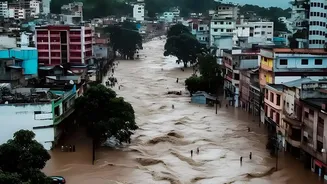
Beyond the economic strain, there is a human cost. Short, intense bursts of rain can trigger flash floods and landslides, which have tragically claimed lives in hilly districts in the past. Evacuations from high-risk areas become necessary, placing a burden on local administrative resources. For travellers, what starts as a holiday can quickly become a stressful ordeal of being stranded, dealing with last-minute travel plan changes, and facing uncertainty. This volatility threatens the very appeal of these destinations. While the monsoon season transforms the landscape into a beautiful, lush paradise, the increasing frequency of extreme weather events means that the risk of disruption is now a permanent part of the travel equation.