



A Reflection of Financial Independence
Today’s young professional woman often manages her own finances, and her purchasing decisions reflect this empowerment. Unlike generations past, where heavy jewellery was a significant family investment, she is now buying gold and other precious items
with her own earnings. Lightweight pieces are an accessible luxury, allowing for a thoughtful, valuable gift without requiring a substantial financial outlay or collective family approval. This shift represents a move towards more personal and frequent purchases, where jewellery is bought not just as an asset but as a form of self-expression and considered gifting. This financial autonomy means she can participate in the festive ritual of gifting gold on her own terms.
The Global Trend of Modern Minimalism
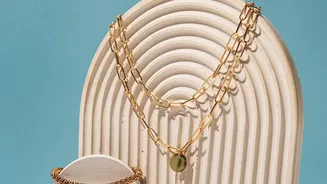
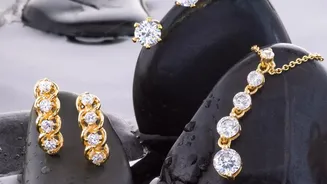
Across fashion and design, minimalism has become a powerful aesthetic, and jewellery is no exception. The mantra of 'less is more' resonates deeply with a generation that values subtlety and clean lines over overt displays. Young women are moving away from heavy, ornate pieces towards elegant designs that are versatile and chic. This preference for minimalism is not just about a global trend; it’s about a change in personal style. Delicate chains, small studs, stackable rings, and minimalist pendants are seen as more modern and can be styled with both Indian ethnic wear and Western outfits, making them far more versatile than their heavier counterparts.
From the Locker to an Everyday Lifestyle
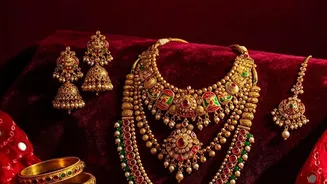
One of the most practical drivers of this trend is utility. Heavy, traditional jewellery is often relegated to a bank locker, brought out only for weddings and major festivals. In contrast, lightweight pieces are designed for daily life. A working woman can comfortably wear a pair of simple earrings or a thin bracelet from the office to a festive dinner. This desire for 'wearable' jewellery means consumers get more value and enjoyment from their purchases. The logic is simple: why invest in something that will be seen only once a year when you can gift a beautiful piece that becomes part of the recipient's daily style? This emphasis on practicality has fundamentally changed what people look for in jewellery.
Redefining the Art of Gifting
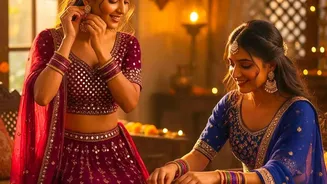
Festive gifting itself is evolving. For many young professionals, the intention and personal thought behind a gift are more important than its sheer monetary value. A handcrafted, delicate piece that reflects the recipient's personality can feel more meaningful than a large, generic ornament. Gifting lightweight jewellery is seen as a modern, sophisticated gesture. It's a way to uphold the auspicious tradition of giving something precious during festivals like Diwali or Rakhi, but in a way that feels contemporary and personal. The focus is shifting from gifting 'weight' to gifting 'design' and 'sentiment'.
How the Jewellery Industry is Responding
Jewellery brands have been quick to notice and adapt to this powerful consumer shift. Many have launched specific collections focused on lightweight, minimalist designs aimed at younger, urban consumers. The rise of direct-to-consumer online jewellery stores also caters perfectly to this demographic, offering trendy, accessible, and often customizable pieces. Marketing campaigns frequently feature women in everyday work and social settings, reinforcing the idea of jewellery as a part of daily life. Even traditional jewellers are now prominently displaying lighter items and offering designs that blend classic motifs with modern sensibilities to meet this growing demand.