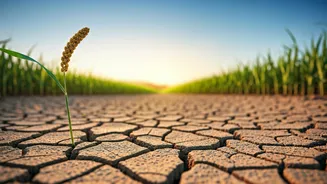





The Unreliable Lifeline
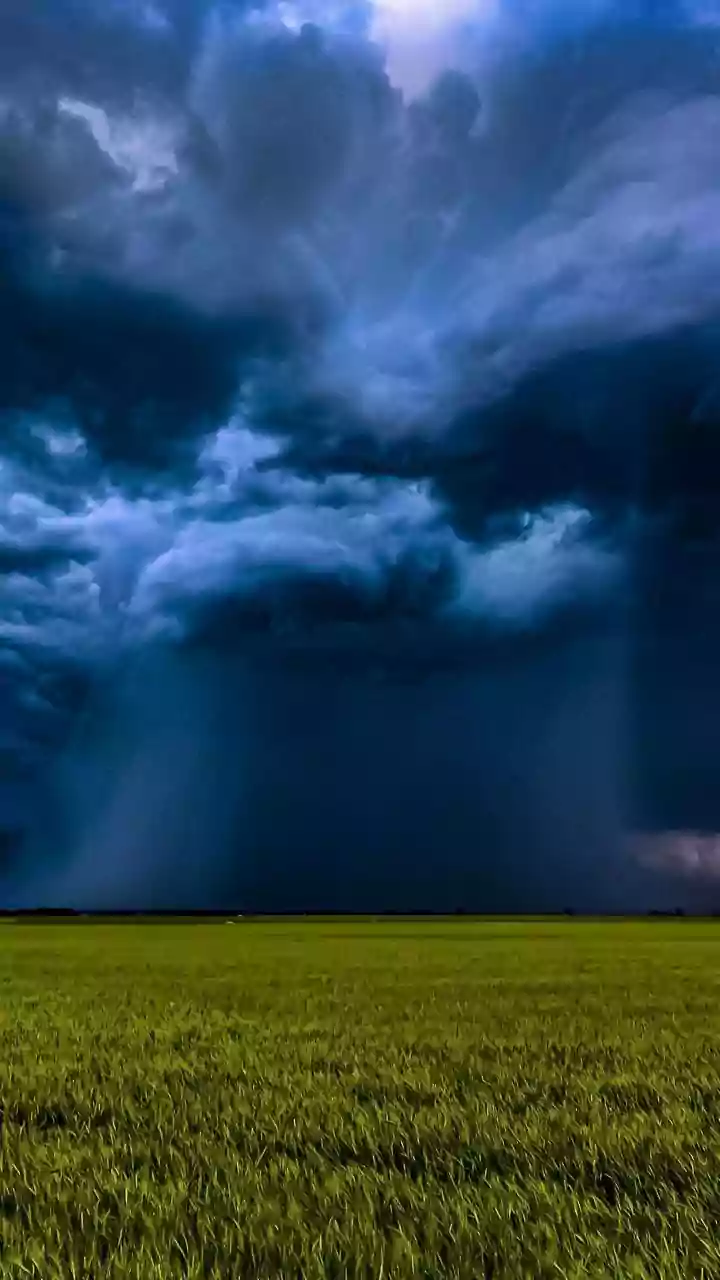
The Indian monsoon has long been the backbone of its agriculture, with nearly half of all cultivated land still dependent on seasonal rainfall. [2] The timely arrival and predictable distribution of these rains are critical for the sowing and growth of essential
kharif crops like rice, pulses, and oilseeds. [2] This ancient cycle has shaped everything from water storage systems to public planning. [4] However, a growing body of evidence shows this stability is vanishing. The monsoon is becoming increasingly erratic, marked by delayed onsets, long dry spells, and sudden, intense bursts of extreme rainfall. [4] This shift from a predictable lifeline to an unreliable force is creating unprecedented challenges for millions of farmers. [12]
What's Different Now?
The problem is no longer just about the total amount of rain but its timing and distribution. [2] Scientists point to climate change as a key driver, altering atmospheric patterns and making historical weather data a less reliable guide for the future. [2, 4] Climate phenomena like El Niño are exacerbating these trends, often leading to weaker monsoons and below-normal rainfall. [2, 9] The result is a dangerous paradox: a single season can now witness both drought-like conditions due to delayed rains and destructive floods from short, concentrated downpours. [2, 4] As of early June 2026, rainfall was reported to be 42% below normal, prompting authorities to prepare for a potentially weak season and its consequences on farm output. [13] This volatility compresses the effective growing season, reduces soil moisture, and disrupts critical farming activities like paddy transplantation. [4]
From Rice Paddies to Millet Fields
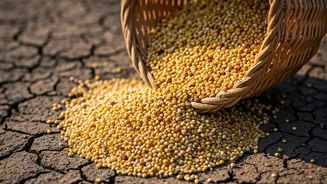
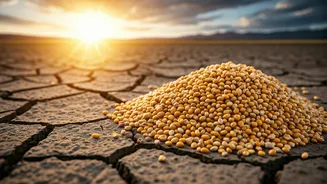
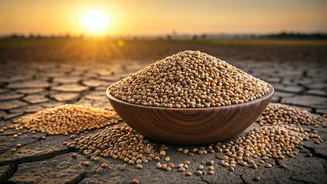
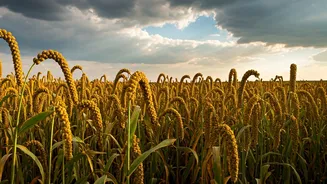
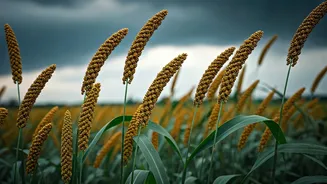
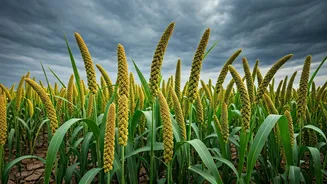
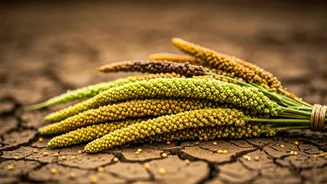
In response to this growing uncertainty, farmers across India are being forced to make difficult choices. The government itself is now urging a shift away from water-intensive crops, especially in rain-fed areas with limited irrigation. [13] In June 2026, authorities identified 315 districts vulnerable to below-normal rainfall and began promoting contingency plans. [8] The primary recommendation is a move towards less thirsty crops like pulses, oilseeds, and millets. [13] In regions like the Himalayas and parts of southern India, some farmers are abandoning the cultivation of water-guzzling cereals altogether. [3, 4] Instead, they are reintroducing resilient traditional varieties like finger millet, mustard, and dryland paddy, which are better suited to drought and erratic weather. [3] This isn't just a temporary adjustment but a fundamental recalculation of risk, as farmers pivot towards crops that offer a better chance of survival in a changing climate. [12]
The Economics of Adaptation
This shift is not without its costs. For small and marginal farmers, who make up a significant portion of the agricultural workforce, the transition is fraught with financial risk. [5] Moving away from staples like rice and wheat involves investing in new types of seeds, learning different cultivation techniques, and finding markets for unfamiliar produce. [12] The consequences of a failed sowing cycle, where seeds are planted in anticipation of rain that never comes, can be catastrophic, pushing already stressed farmers further into debt. [4, 9] Recognizing this, the Indian government is developing and distributing thousands of new climate-resilient crop varieties, such as Sahbhagi Dhan rice, which requires less water, and wheat strains that can tolerate higher temperatures. [7, 10] However, encouraging widespread adoption requires significant investment and support to convince farmers to switch from the crops they know. [7]
Reshaping India's Agricultural Map
The changing monsoon is doing more than just altering what's grown; it's redrawing India's agricultural map. The traditional rice and wheat cultivation systems, cornerstones of the nation's food security, are under threat from rising temperatures and water stress. [5, 12] Projections indicate that continued warming could significantly decrease yields for these vital crops. [5] The current crisis is forcing a national reassessment of water management and agricultural strategy. [16] The focus is shifting towards building resilience through crop diversification, investing in water conservation, and promoting climate-smart agricultural practices. [2, 16] This includes everything from reviving traditional water harvesting systems to using modern technology like drones for crop monitoring. [7, 16] The adaptation is happening at both a policy level and on the ground, as tribal communities in states like Odisha have been successfully using agrobiodiversity to make their farmlands climate-resilient for years. [14]