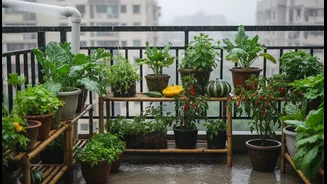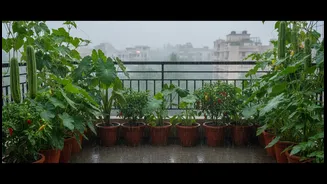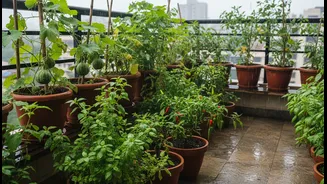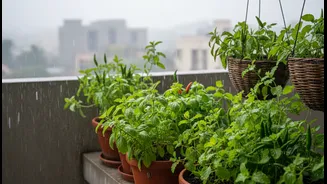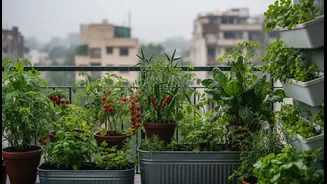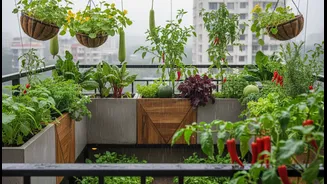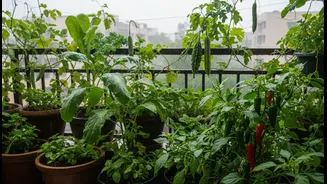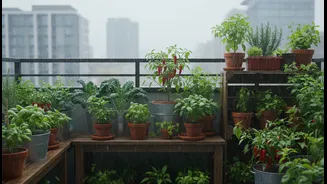



Why the Monsoon is a Gardener's Best Friend
The rainy season creates a naturally ideal environment for a host of plants. The cooler temperatures reduce the stress that plants endure during peak summer, while increased humidity helps keep foliage hydrated. Rainwater itself is softer and free of the chemicals
often found in tap water, which helps wash away salt residues from the soil and allows roots to absorb nutrients more effectively. This combination of natural watering, moderate temperatures, and diffused sunlight encourages faster, more vigorous growth, making it the most rewarding time for both novice and experienced gardeners. Many tropical plants are genetically programmed to thrive during this exact period of warmth and moisture.
Setting Up for Success: Pots, Soil, and Drainage
The single most critical factor for a monsoon garden is proper drainage. Waterlogged soil is the primary cause of failure, as it suffocates roots and encourages rot. Ensure every pot or container has unobstructed drainage holes at the bottom. Using raised stands or even just placing pots on bricks can help excess water escape freely. When it comes to soil, avoid using heavy garden soil alone, as it compacts easily in pots. Instead, use a light, well-draining potting mix. A good combination is a blend of garden soil, compost, and cocopeat or sand, which provides both nutrition and aeration. This foundation will protect your plants from the season's biggest threat: too much water.
The Easiest Greens and Gourds to Grow
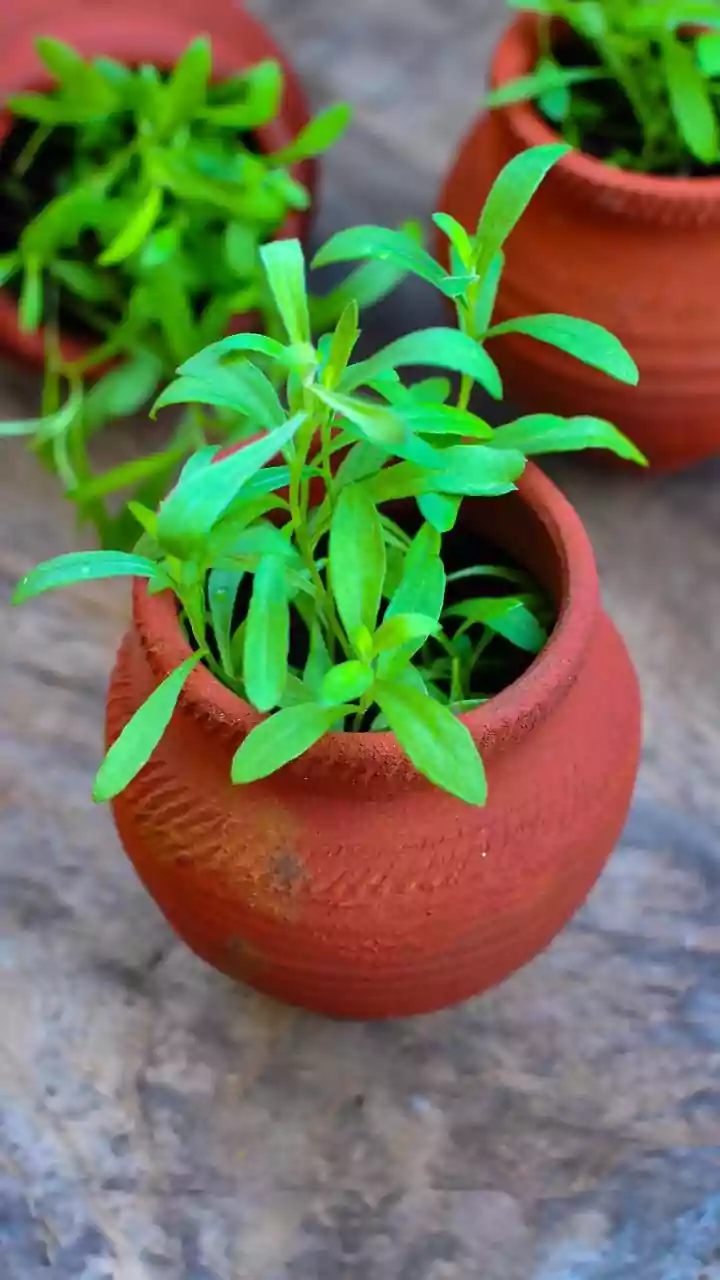
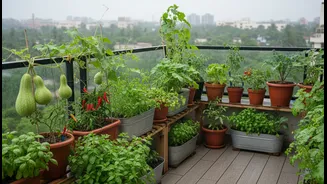
Monsoon is the perfect time to grow a variety of leafy greens and gourds, many of which are quick to harvest. Spinach (palak), amaranth (chaulai), and fenugreek (methi) are excellent choices as they flourish in the moist, moderate weather and can be harvested multiple times. They grow well in wide, shallow trays. Gourds are the undisputed stars of the monsoon garden. Varieties like bottle gourd (lauki), bitter gourd (karela), and ridge gourd (turai) grow explosively. As these are climbers, they will need a sturdy trellis or support structure to grow vertically, which also keeps the fruit off the wet ground and prevents rot. Cucumbers also perform exceptionally well and can be grown on a trellis in a large pot or grow bag.
Spice It Up with Chillies and Herbs
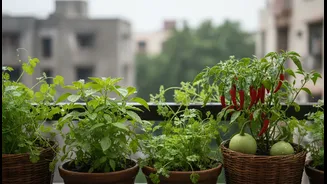
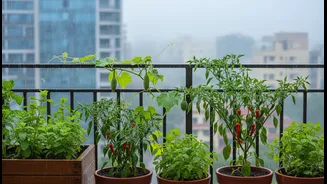
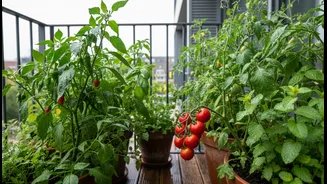
No kitchen garden is complete without fresh chillies and herbs, and many thrive in monsoon conditions. Green chillies adapt well to pots and can provide a continuous harvest throughout the season. Herbs like mint, coriander, and tulsi (holy basil) also love the humidity and grow vigorously. Coriander is a fast-growing herb that can be ready to harvest in just a few weeks. Mint is incredibly easy to grow and will quickly fill its pot. For these herbs, a spot with indirect or gentle morning sun is often sufficient. Having these flavourful plants on hand allows you to step out onto your balcony and snip fresh ingredients for your meals.
Monsoon Care: Managing Pests and Problems
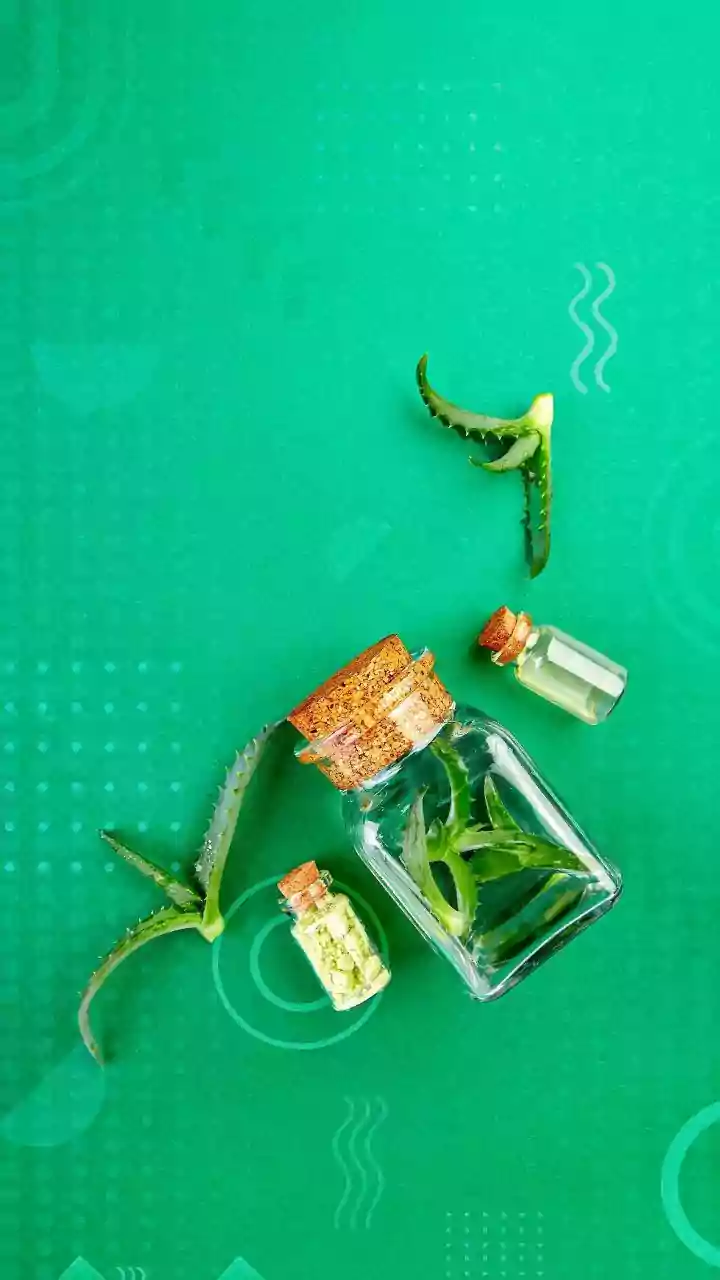
While the rains are beneficial, the high humidity can also encourage pests and fungal diseases. Common monsoon pests include aphids, whiteflies, mealybugs, and slugs. Fungal issues like powdery mildew and root rot are also prevalent. Prevention is the best strategy. Ensure good air circulation by not overcrowding your pots. Check your plants weekly, especially the undersides of leaves, for any signs of trouble. Remove any dead or yellowing leaves promptly to prevent the spread of disease. A preventive weekly spray of neem oil solution (a mixture of neem oil, mild soap, and water) can help keep many common pests and fungal issues at bay naturally.