
The Protein Gap in Indian Diets
Protein is a crucial building block for our bodies, essential for muscle repair, immunity, and feeling full and energetic. However, studies show a significant protein deficiency in many Indian households, with some reports indicating that 73% of urban
Indians consume inadequate protein. This often happens not because of a lack of options, but due to a dietary rhythm centered around rice and roti. The good news is that the Indian kitchen is already full of high-protein ingredients; it's just a matter of bringing them to the forefront.
Start the Day with a Protein Punch
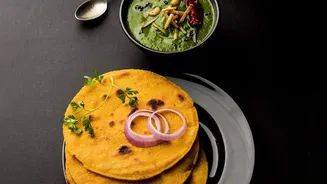
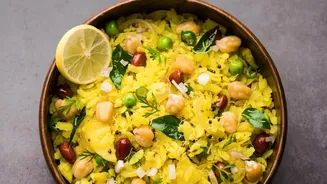
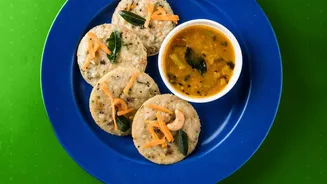
Morning meals often set the tone for the day. Swapping a carb-heavy breakfast for a protein-rich one can prevent mid-morning slumps and reduce cravings. Instead of just poha or upma, try adding a handful of roasted peanuts or serving it with a side of sprouted moong salad. A simple besan or moong dal chilla can provide 12-15 grams of protein. For a quicker option, a bowl of dahi with nuts and seeds or a glass of sattu sharbat can offer as much as 20 grams of protein. For egg eaters, a two-egg masala omelette or bhurji is a quick and effective way to add about 12-18 grams of protein to your morning.
Reimagining Lunch and Dinner
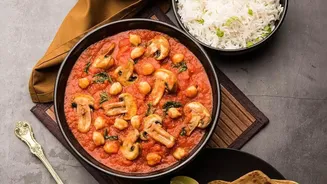
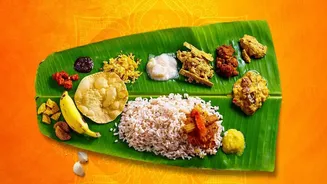
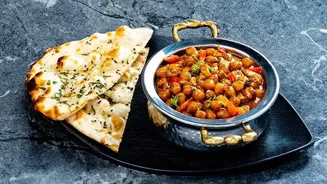
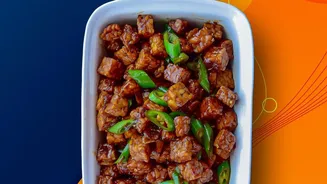
The traditional Indian thali is already a well-balanced concept. To enhance its protein content, focus on the proportions. Ensure that a katori of dal, pulses, or a curd preparation is always part of the plate. You can easily boost the protein in your regular sabzis by adding paneer cubes, tofu, or soya chunks. When making dal, consider mixing different lentils like toor, masoor, and moong to get a wider range of amino acids. Simple additions, like a generous serving of rajma, chana, or lobia, can turn a standard meal into a protein-rich one, offering around 15 grams of protein per cooked cup.
Smart Snacking Savvy
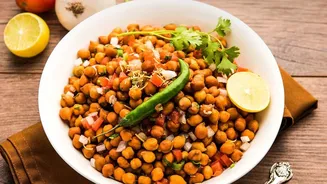
Evening snack time is often where diets go off track with fried foods and biscuits. This is a perfect opportunity to add another dose of protein. A handful of roasted chana (about 7g of protein), a small bowl of sprouts chaat (7-9g protein), or a few cubes of paneer tikka (9g protein) are excellent choices. Even traditional snacks like makhana (fox nuts) and peanut chikki can contribute. For children, homemade protein laddoos, paneer paratha fingers, or a curd smoothie are both nutritious and appealing.
Don't Forget These Protein Sources
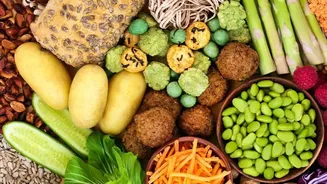
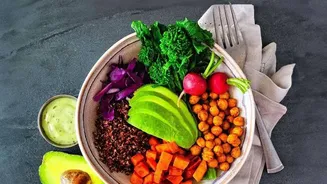
Beyond the obvious choices, many other ingredients in an Indian kitchen are packed with protein. Nuts and seeds like almonds, walnuts, and pumpkin seeds are easy to sprinkle on salads, oatmeal, or yogurt. Grains like quinoa and amaranth (rajgira) can be used to make upma or pulao, offering a complete protein profile. Even vegetables contribute; green peas, spinach, and broccoli contain a surprising amount of protein. For non-vegetarians, incorporating lean chicken breast or fish provides a high-quality protein source that is easily absorbed by the body.